Last updated: 28 May 2026
In 30 seconds: Swiss restaurant trends 2026
In 2026 the Swiss food-service market is driven by eight clear forces: authentic Italian cuisine, zero-waste sustainability, certified DOP/IGP products, plant-based options, premium delivery, kitchen digitalisation, high-quality raw materials and a redesigned guest experience. Over 78% of Swiss diners say sustainability influences where they eat, and 65% pay more for certified or organic ingredients.
For restaurateurs the message is concrete: guests reward authenticity and transparency with a 15-25% higher average ticket and 68% loyalty. LAPA supplies more than 3,000 certified Italian products with 24-48h delivery across Switzerland to cover every one of these trends. Orders on www.lapa.ch or by phone: +41 76 361 70 21.
Trend table 2026
| Trend | Description | Impact for restaurateurs | Related LAPA products |
|---|---|---|---|
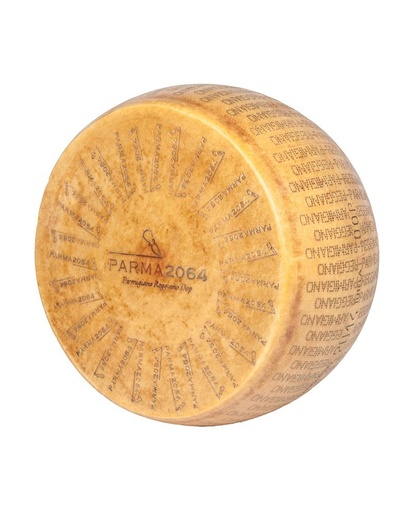
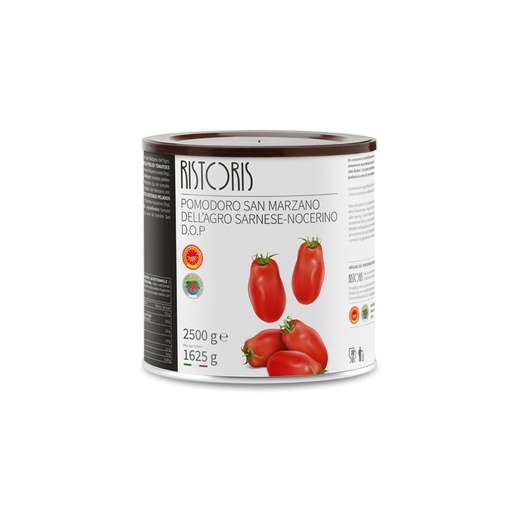
| Authentic Italian cuisine | Genuine regional recipes, no industrial shortcuts | +15-25% average ticket | DOP pasta, San Marzano DOP, Parmigiano Reggiano DOP |
| Zero-waste sustainability | Short supply chain, eco packaging, food-waste cuts | -30-40% food waste, +loyalty | Bulk formats, seasonal ranges |
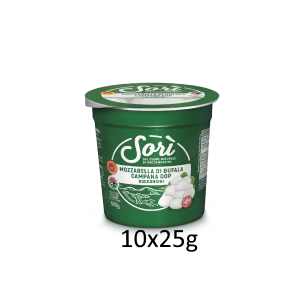
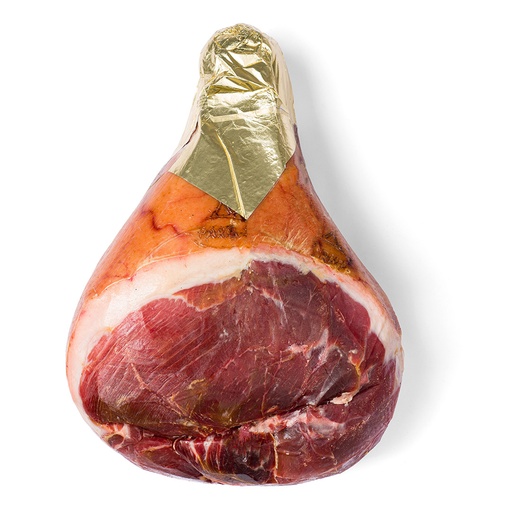
| DOP/IGP certified products | Protected designations, traceable origin | 65% guests pay a premium | Prosciutto di Parma DOP, Mozzarella di Bufala DOP |
| Plant-based and flexitarian | Vegetarian/vegan options on every menu | 45% of guests choose it weekly | Plant-based cheese, legumes, vegetable ranges |
| Premium delivery | Gourmet take-away with controlled packaging | New off-premise revenue | Frozen single portions, sealed trays |
| Kitchen digitalisation | AI inventory, multilingual QR menus | -20% admin time | Standardised catalogue, B2B e-commerce |
| Quality raw materials | Selected origin, full traceability | Stable margins, fewer complaints | 00 flour, extra-virgin olive oil, DOP tomatoes |
| Guest experience | Personalisation, allergens, storytelling | 68% guest return rate | Allergen data sheets, product info |
Authentic Italian cuisine: the strongest driver
Swiss diners increasingly distinguish real Italian cuisine from generic imitations. Demand for DOP and IGP products is the clearest signal: certified authenticity is tasted and rewarded.
Restaurants that serve genuine regional recipes record a 15-25% higher average ticket. The market no longer accepts industrial approximations passed off as Italian.
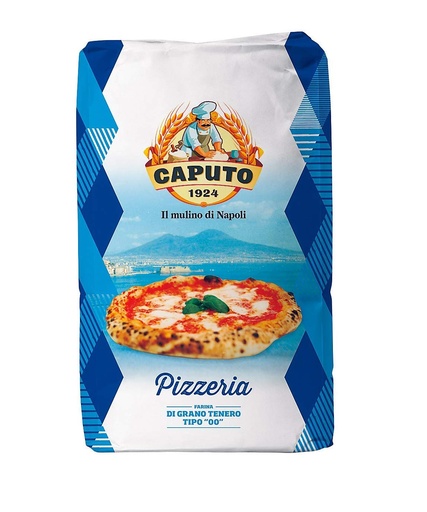
The lever is the supply chain: 00 flour for true Neapolitan pizza, San Marzano DOP tomatoes, Parmigiano Reggiano DOP aged 24-36 months. Each ingredient changes the result on the plate.
Zero-waste sustainability: from option to baseline
In 2026 sustainability is no longer a differentiator but a baseline expectation. Over 78% of Swiss diners say it influences their choice of restaurant.
Seasonal menus and intelligent stock management cut food waste by 30-40%, improving margins directly. Less waste means lower cost per cover.
The credible action is the short supply chain: a supplier with 24-48h delivery and no minimum order reduces both surplus stock and carbon footprint. Swiss guests recognise concrete actions and punish greenwashing.
DOP and IGP certified products
65% of Swiss consumers say they pay more for DOP, IGP or organically certified ingredients. The protected designation guarantees origin, production method and traceability.
For a restaurant, a certified product is a sales argument printed directly on the menu: Prosciutto di Parma DOP aged 18-24 months, Mozzarella di Bufala Campana DOP, Aceto Balsamico di Modena IGP.
Certification also protects the kitchen: defined standards, constant quality, fewer complaints. Italian authenticity is the most valued attribute in the Swiss market.
Plant-based and flexitarian
45% of Swiss customers choose a plant-based alternative at least once a week. Ignoring this demand means giving up nearly half the market.
Italian cuisine already offers a wealth of traditional vegetarian dishes: pasta with tomato and basil, mushroom risotto, Sicilian caponata, parmigiana di melanzane. Elevated with DOP/IGP ingredients they become a strength, not a concession.
The flexitarian segment grows around 20% a year: it is enough to add 2-3 well-built dishes, not to overturn the menu.
Premium delivery and take-away
Off-premise consumption now goes well beyond pizza and sushi. Gourmet dishes with sustainable packaging and careful presentation maintain quality outside the kitchen.
For the restaurateur this is additional revenue with no extra covers. Frozen single portions and sealed trays let dessert and signature dishes travel without losing standard.
The cold chain is decisive: a product designed for delivery keeps -18°C up to the customer and is regenerated to perfect quality.
Kitchen digitalisation
From AI-powered inventory management to multilingual QR-code digital menus, technology streamlines operations and reduces administrative time by around 20%.
A QR code on the table does not replace attentive service. Technology should simplify (online bookings, digital menus, smart stock) and free the team for what builds loyalty: genuine hospitality.
B2B e-commerce fits here too: a standardised catalogue with full descriptions, origin and certifications makes restocking faster and error-free.
Quality raw materials
Behind every trend there is one constant: the raw material. Selected origin and full traceability stabilise margins and reduce complaints.
00 flour W260-300 for long-fermentation pizza, extra-virgin olive oil with declared acidity below 0.5%, DOP tomatoes with fixed Brix. Measurable parameters, repeatable results.
A reliable supplier guarantees constant quality batch after batch: this is what lets a restaurant build a recognisable, defensible identity.
Guest experience redesigned
Guests want to feel recognised as individuals, not as covers to fill. Custom menus, professional allergen management and tailored recommendations make the difference.
68% of Swiss customers return to restaurants that reflect their values. Transparency on origin and ingredient storytelling on the menu build trust that marketing cannot buy.
Staff should know the origin of every product and confidently handle allergen and dietary requests. Detailed data sheets and product information raise the standard of service.
FAQ
What are the most important restaurant trends in Switzerland in 2026?
The eight key trends are: authentic Italian cuisine, zero-waste sustainability, DOP/IGP certified products, plant-based and flexitarian options, premium delivery, kitchen digitalisation, quality raw materials and a redesigned guest experience. Authenticity and sustainability lead the ranking.
How much can the average ticket grow by following these trends?
Restaurants offering premium experiences with certified products record a 15-25% higher average ticket. Guests willingly pay more for demonstrable, traceable quality, especially on DOP/IGP Italian products.
Are Swiss customers really willing to pay more for certified products?
Yes. 65% of Swiss consumers say they pay a premium for DOP, IGP or organic ingredients. Over 78% state that sustainability influences their choice of restaurant. Certified Italian authenticity is the most valued attribute.
How can I make my restaurant more sustainable without big investment?
Start with concrete actions: a short-supply-chain supplier with 24-48h delivery, seasonal menus that cut waste by 30-40%, eco packaging, smart inventory. Progressive steps, visible to guests, with no major investment required.
How do I add vegetarian and vegan options without losing the Italian menu?
Italian tradition already offers many vegetarian dishes: caponata, parmigiana, mushroom risotto, pasta with tomato and basil. Elevate them with DOP/IGP ingredients and add 2-3 plant-based dishes: 45% of guests choose them weekly.
Is premium delivery worthwhile for a sit-down restaurant?
Yes: it is extra revenue with no additional covers. With products designed for the cold chain (-18°C) and sustainable packaging, signature dishes and desserts travel without losing quality and reach new customers.
Which technology should a restaurant adopt first in 2026?
Start with the highest-impact tools: multilingual QR menus, online bookings and smart inventory management, which cut admin time by around 20%. B2B e-commerce for restocking speeds up ordering and reduces errors.
Where can I find certified Italian products for these trends in Switzerland?
LAPA distributes more than 3,000 certified Italian products (DOP, IGP, organic, plant-based) across Switzerland with 24-48h delivery and no minimum order. Online catalogue with origin, producer and certifications on www.lapa.ch.
LAPA: products for the 2026 trends
LAPA supplies more than 3,000 certified Italian products to over 500 restaurants, pizzerias and hotels across Switzerland. Authentic cuisine, sustainability, DOP/IGP, plant-based, premium delivery: for every 2026 trend there is a ready range.
24-48h delivery across Switzerland with no minimum order, optimised logistics and a temperature-controlled chain. Online catalogue with full descriptions, origin, producer and certifications for transparent menus.
Multilingual support in Italian, German and French. Order on www.lapa.ch or call us: +41 76 361 70 21. The right time to adapt to the 2026 trends is now.