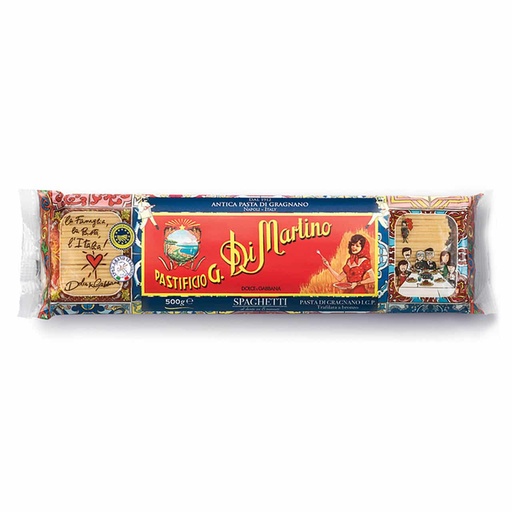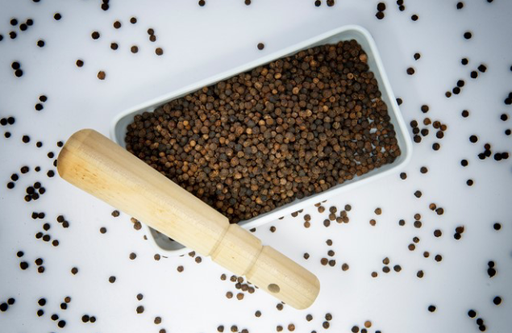



Your current supplier sends you a generic "guanciale IGP" — but do you know where it actually comes from? Every chef who has cooked with the real thing knows: when authentic Guanciale Amatriciano PGI melts slowly in the pan and coats the pasta with a velvety, irreplaceable cream, nothing else comes close. Guanciale Amatriciano PGI is not just another ingredient — it is the reason your carbonara gets remembered.
LAPA delivers the finest certified Lazio producers to your kitchen weekly, with 24–48h delivery across Switzerland. Over 2,000 premium Italian products, one reliable partner. Find out why more than 200 Swiss restaurants trust LAPA for their traditional Italian dishes.
What is Guanciale Amatriciano PGI and why certification matters
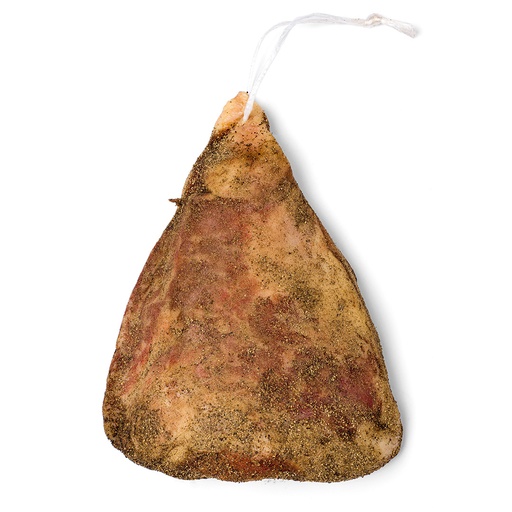
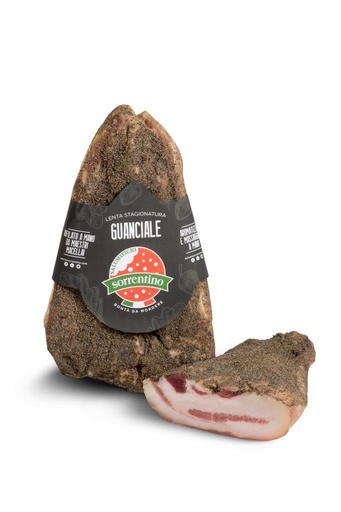
Guanciale Amatriciano is a traditional cured meat from central Lazio, produced from the pig’s cheek (or jowl) through dry curing and natural aging. Its name comes from Amatrice (province of Rieti) — the historical home of this cured meat.
Since 2015, Guanciale Amatriciano has been protected by the PGI (Protected Geographical Indication) label, which guarantees:
- Traceable raw material: Jowls from pigs born, raised and slaughtered in Italy
- Traditional processing: Only salt, black pepper, garlic and natural aromatics — zero additives
- Minimum aging: 30 days in a controlled natural environment
- Certified controls: Every production phase independently verified
A “generic” guanciale can be produced anywhere, with additives, without oversight. The difference in flavor, texture and authenticity is significant. For a serious restaurant, only PGI is acceptable.
Technical characteristics: why guanciale fat is unique
| Characteristic | Value | Culinary relevance |
|---|---|---|
| Fat/lean ratio | 70–75% fat / 25–30% lean | Complete melting, ideal aromatic release |
| Weight | 600–1,200g per piece | Manageable sizes, easy portioning |
| Shape | Triangular with rind | Rind protects during aging |
| Aging | 30 days (PGI), 60–90 days (premium) | Longer = more concentrated, complex flavor |
| Salinity | 3–4% of total weight | Perfect balance with pecorino and pasta |
| Residual moisture | 35–40% | Supple when cut, melting when cooked |
Quality Guanciale Amatriciano PGI: pure white or slightly pink fat (never yellowish), bright ruby-red lean meat, clean spice aroma with dominant black pepper, balanced sweet-savory flavor with persistent peppery finish.
Guanciale vs Pancetta vs Bacon: the differences that matter
| Guanciale | Pancetta | Bacon | |
|---|---|---|---|
| Fat % | 70–75% (very high) | 50–60% (medium-high) | 40–50% (medium) |
| Processing | Dry cure, natural aging | Wet cure with nitrites | Wet cure, smoking |
| Flavor | Delicate, sweet, peppery | Saltier, more structured | Smoky, very salty |
| When cooked | Melts completely, maximum creaminess | Releases fat, stays compact | Stays crispy, fat separates |
| In carbonara/amatriciana | ✅ The only authentic choice | ❌ Wrong flavor and texture | ❌ Incompatible |
Using Guanciale Amatriciano in professional kitchens
Preparation
- Remove the rind: With a sharp knife
- Cut: Into strips/batons 0.5–1cm thick. Never mince or grind.
- Temperature: Work at room temperature (18–20°C) for even cooking
- Storage after cutting: Max. 24h refrigerated, covered with film
Professional Carbonara: proportions and technique
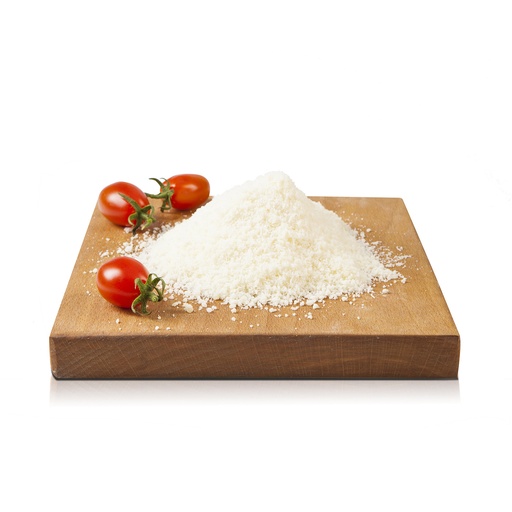
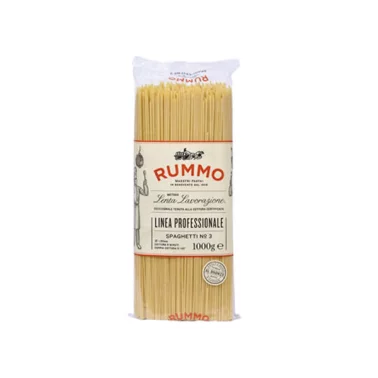
Ingredients for 4 portions: 320g pasta (rigatoni, mezze maniche or tonnarelli), 150–180g Guanciale PGI, 4 egg yolks + 1 whole egg, 80g Pecorino Romano PDO, freshly ground black pepper.
- Render guanciale in a cold pan, no oil, medium-low heat, 8–10 minutes until fat melts and lean is crispy.
- Whisk yolks + whole egg + pecorino + pepper to a smooth cream.
- Cook pasta in salted water, drain 1 minute before time.
- Toss drained pasta with guanciale (heat off), add cream, mix vigorously adding pasta water gradually.
- Plate immediately with fresh pepper and crispy guanciale.
Mistakes to avoid: cream (never), cooking the eggs, parmesan instead of pecorino.
Authentic Amatriciana
Ingredients for 4 portions: 320g bucatini/rigatoni, 120–150g Guanciale PGI, 400g San Marzano PDO peeled tomatoes, 100ml dry white wine, 60g grated Pecorino Romano PDO, fresh chili.
- Render guanciale as above.
- Deglaze with white wine, let alcohol evaporate (2–3 min.).
- Add hand-crushed tomatoes and chili, cook 15–20 min.
- Pasta al dente, toss in sauce 1–2 minutes.
- Serve with generous pecorino and crispy guanciale.
Storage
Whole: 12–16°C, humidity 65–75%, breathable food paper (never plastic). Shelf life 4–6 months.
Portioned: Vacuum-packed 2–3 months at 4°C. Open refrigerator max. 7–10 days covered.
Professional protocol: Order whole guanciale weekly, portion daily, strict FIFO rotation.
Guanciale Amatriciano PGI from LAPA: certified quality for Swiss restaurants
Picture this: every morning you open a delivery of guanciale aged 60 to 90 days, immaculate white fat and a clean pepper aroma — on time, every time, no surprises. That is what over 200 Swiss restaurants have come to rely on from LAPA.
- Guaranteed PGI certification: Exclusively from certified Lazio producers, full traceability
- Premium selection: 60–90 day aging (double the PGI minimum) for more intense flavor
- Optimal freshness: Weekly orders, never product older than 1 month from aging
- Fast delivery: 24–48h across Switzerland (Zurich, Basel, Bern, Geneva, Lugano)
- No minimum order: Order as few as 2–3 pieces to test quality
- Technical support: LAPA chefs available for recipe and technique consultation
| Format | Weight | Ideal for |
|---|---|---|
| Whole guanciale | 800g–1.2kg/piece | High-volume restaurants, full control |
| Vacuum-packed half | 400–600g/piece | Medium-volume restaurants |
| Ready-cut cubes | 500g/1kg pack | Fast kitchens, delivery operations |
| Vacuum-packed strips | 200g/portion | Fine dining, portion control |
Frequently asked questions
Can I substitute pancetta for guanciale in carbonara?
No — strongly not recommended. Guanciale contains 70–75% fat that melts completely, creating authentic creaminess. Pancetta produces a dry, over-salted carbonara with none of the velvety texture. For a real carbonara, guanciale is the only acceptable ingredient.
How do I identify quality guanciale?
- Pure white or pink fat (never yellowish)
- Bright ruby-red lean meat
- Clean spice aroma, no rancid notes
- Declared aging of 60+ days
- PGI certification with traceable batch number
How much guanciale for 100 portions of carbonara?
8kg pasta, 4–4.5kg guanciale (40–45g per portion), 100 yolks + 20 whole eggs, 2kg pecorino, 150g black pepper. Order 5kg as buffer. With LAPA, order the exact quantity needed — no binding minimums.
Bring Roman authenticity to your menu
Every dish that leaves your kitchen is a statement about your standards. A carbonara made with Guanciale Amatriciano PGI from LAPA tells your guests that you do not compromise, that you respect the tradition, that you serve the real thing.
📞 Phone: +41 76 361 70 21 | ✉️ Email: [email protected] | 🌐 Website: lapa.ch
Read also:
- Pecorino Romano PDO: The Historic Cheese for Carbonara and Cacio e Pepe
- Authentic Carbonara: Professional Guide for Restaurants
- Premium Italian Cured Meats: Selection Guide for Restaurateurs