11 PM. The last table has cleared. You finally sit down. And that plate of pasta calling your name from the kitchen – do you deserve it, or deny yourself? If you’re a food professional in Switzerland, you know every ingredient tells a story. But this story – the one about evening pasta – has been told wrong for far too long.
For years, you’ve heard it: “No carbs after 6 PM.” And you – working late behind the stove every night – have been denying yourself the very dish you prepare better than anyone. Today, you’ll discover why that rule is a myth – and why science says the exact opposite.
The Myth That Stole Your Evening Pleasure
Picture this: a plate of spaghetti with fresh tomato sauce. The fragrance of basil rising from the still-warm dish. Al dente pasta that resists under your teeth, then yields, releasing the full flavor of Italian durum wheat. This moment of pure pleasure has been demonized without reason.
The fear of evening carbohydrates comes from a crude oversimplification: “Eat late, gain weight.” But the reality is far more fascinating – and far more delicious.
The Science Nobody Told You (Until Now)
Here’s what actually happens when you eat quality pasta in the evening:
- Tryptophan activation: Complex carbohydrates in durum wheat pasta promote tryptophan absorption – an amino acid that converts to serotonin, then melatonin, the sleep-regulating hormone. In plain terms: a good plate of pasta helps you sleep better.
- Glycemic index matters: Al dente durum wheat pasta has a moderate glycemic index (approx. 45–55). No insulin spikes. No midnight wake-ups from blood sugar crashes.
- Timing is everything: Just 2–3 hours between dinner and bedtime. Your body digests, tryptophan does its work, and you sleep like a baby.
Pasta was never the problem. The wrong pasta, prepared the wrong way – that was the problem.
The Mediterranean Secret Your Guests Are Looking For
The Mediterranean diet – a UNESCO heritage, not a passing trend – has always included pasta at dinner. The secret? Quality. Simplicity. Balance.
Consider these dishes for your evening menu:
- Linguine with courgettes, fresh mint, and extra virgin olive oil – herbaceous aroma that fills the dining room
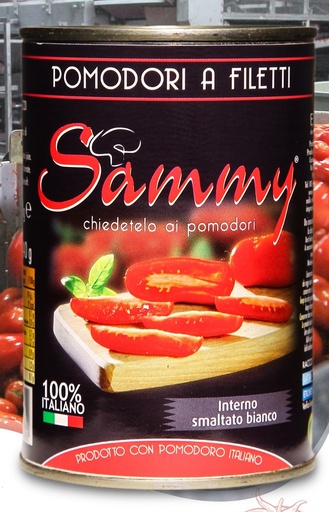
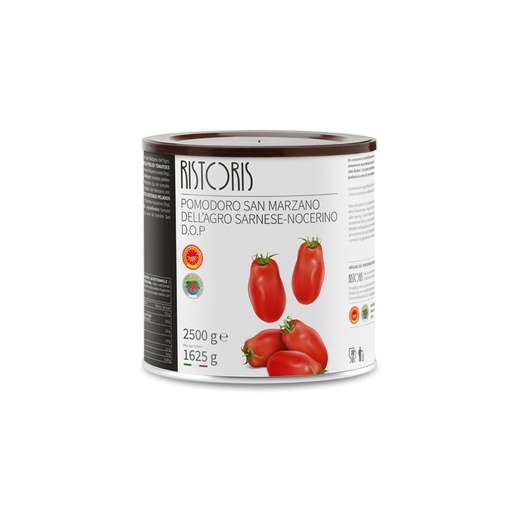
- Penne with San Marzano tomatoes and fresh basil – the natural sweetness of the tomato, bursting at first bite
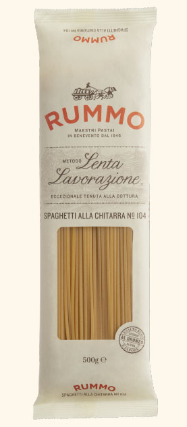
- Spaghetti aglio, olio e peperoncino – three ingredients, infinite flavor, featherlight digestion
Your guests in Zurich, Geneva, Basel, and Lugano aren’t just looking for dinner. They’re looking for an experience. Authentic Italian cuisine that delivers – even at 9 PM.
3 Steps to Transform Your Evening Offering
- Choose premium durum wheat pasta. LAPA-selected pasta holds its cook, absorbs sauce beautifully, and delivers the perfect al dente texture – the difference between a good dish and an unforgettable one.
- Light sauces, bold flavors. Fresh tomatoes, extra virgin olive oil, seasonal vegetables, aromatic herbs. Lightness isn’t compromise – it’s mastery.
- Tell the story on the menu. Where does this pasta come from? Who made it? Why is it perfect for the evening? Transparency builds trust – and repeat customers.
Why Swiss HoReCa Professionals Choose LAPA
With over 3,000 authentic Italian food products, LAPA is your trusted partner across Switzerland. We’re not just a supplier – we’re food entrepreneurs, just like you. We know what it means to fight for quality every single day.
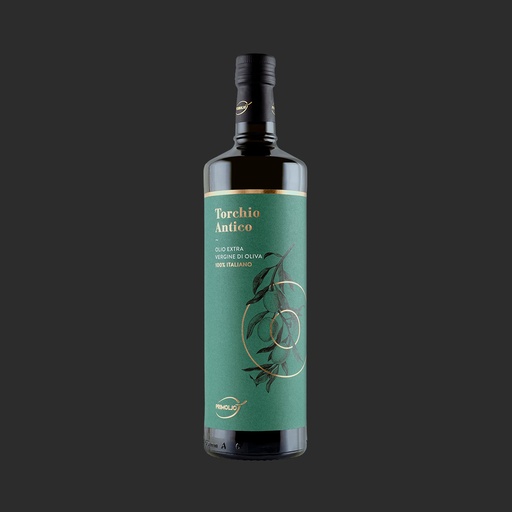
From artisanal pasta to DOP tomatoes, from extra virgin olive oil to specialty flours: every product is selected to help you create dishes your guests will remember. 78% of restaurants that switch to LAPA never switch back.
Evening Pasta Isn’t a Sin. It’s an Opportunity.
Now you know the truth: pasta before bed isn’t the enemy of good sleep. It’s an ally. And for your guests, a plate of pasta made with authentic Italian ingredients is the perfect way to end the day.
Imagine the smile on your guests’ faces as they savor a forkful of spaghetti al pomodoro, the scent of fresh basil filling the room. That’s the power of authentic pasta. That’s what you can offer every evening.
Explore the LAPA catalogue and bring Italian excellence to your kitchen.
Call us now: +41 76 361 70 21