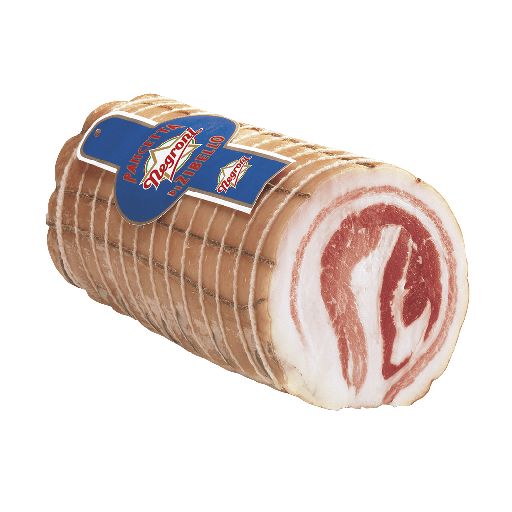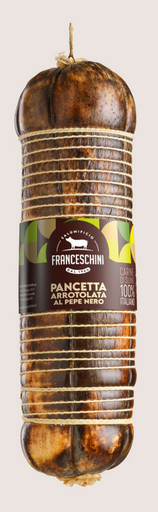
Affetta una fetta tonda. Osserva la spirale perfetta di magro rosa tenue e grasso bianco neve che si svela davanti a te. Respira il profumo gentile e dolce di spezie e cantina di stagionatura. Questo non è un salume qualunque — questa è la Pancetta Piacentina DOP, e potrebbe essere il dettaglio che porta il tuo menu da eccellente a indimenticabile.
I tuoi ospiti pretendono autenticità. Vogliono sapere da dove viene il loro cibo, chi lo ha fatto e perché conta. Essendo anche noi professionisti della ristorazione, capiamo questa pressione — perché condividiamo la stessa ossessione per la qualità.
LAPA serve 1'200 clienti in tutta la Svizzera con oltre 3.000 prodotti italiani di alta gamma. Consegna in giornata nella Svizzera tedesca per gli ordini entro le 05:00 (1–3 giorni lavorativi in Romandia e Ticino), catena del freddo ininterrotta, certificazione DOP — così puoi concentrarti solo su ciò che conta davvero: deliziare i tuoi ospiti.
La storia: secoli di tradizione piacentina
La produzione di pancetta nella provincia di Piacenza risale al Medioevo. La caratteristica forma arrotolata nacque da un'esigenza pratica — conservare meglio la carne e garantire una stagionatura uniforme — ma il risultato è un capolavoro della salumeria italiana che non ha eguali.
A differenza della pancetta piatta (pancetta tesa), tipica di altre regioni, la Pancetta Piacentina viene arrotolata stretta dopo la salatura e legata con spago naturale. Questa tecnica, tramandata da generazioni di norcini piacentini, concentra gli aromi e sviluppa un sapore dolce e delicato con note speziate equilibrate.
Il riconoscimento DOP nel 1996 ha codificato il metodo di produzione tradizionale e l'area geografica di origine. Il Consorzio per la Tutela dei Salumi DOP Piacentini garantisce il rispetto del disciplinare.
La tradizione piacentina richiede:
- Uso esclusivo di pancette di suino provenienti da allevamenti dell'Italia settentrionale e centrale
- Lavorazione nella provincia di Piacenza secondo metodi tradizionali
- Salatura a secco con sale marino e spezie naturali
- Arrotolamento manuale stretto e legatura con spago
- Stagionatura minima di 4 mesi in ambienti naturali controllati
- Nessun additivo chimico o conservante artificiale
Il disciplinare di produzione DOP: la tua garanzia di qualità
Quando servi la Pancetta Piacentina DOP, offri ai tuoi ospiti una garanzia certificata di origine, qualità e autenticità. Il disciplinare di produzione stabilisce regole precise — solo i prodotti che rispettano ogni specifica possono fregiarsi del sigillo DOP.
Materia prima
La pancetta proviene da suini pesanti italiani (oltre 160 kg) allevati in Emilia-Romagna, Lombardia, Piemonte, Veneto, Friuli-Venezia Giulia, Marche, Umbria, Toscana, Lazio, Abruzzo e Molise. Alimentati con cereali e siero di latte secondo protocolli certificati di benessere animale.
Lavorazione
Dopo la macellazione, la pancetta viene rifilata a mano. La salatura avviene a secco con sale marino, pepe nero macinato grossolanamente e spezie naturali (chiodi di garofano, noce moscata, cannella in quantità minime). La salagione dura 7–10 giorni in celle refrigerate a 0–4°C.
Segue l'arrotolamento manuale: la pancetta viene arrotolata su se stessa partendo dal lato più stretto, creando un cilindro compatto. La legatura con spago naturale di canapa o cotone fissa la forma durante la stagionatura.
Stagionatura
La pancetta arrotolata stagiona per almeno 4 mesi in ambienti naturali a 12–18°C e 70–80% di umidità relativa. Il calo peso raggiunge il 30–35%, concentrando naturalmente sapori e aromi.
Caratteristiche del prodotto finito
- Forma cilindrica con diametro di 12–18 cm
- Peso compreso tra 3 e 8 kg
- Fette con regolare alternanza di venature magre (rosso rosato) e grasso (bianco puro)
- Profumo dolce e delicato con note speziate equilibrate
- Sapore dolce, mai eccessivamente salato, con retrogusto aromatico
- Consistenza morbida al taglio, mai dura o gommosa
Pancetta Piacentina contro le altre: perché la DOP fa la differenza
Il 75% dei ristoranti che passa alla Pancetta Piacentina DOP non torna più indietro. Ecco perché:
Pancetta Piacentina vs Pancetta Tesa
La pancetta tesa è piatta e stagionata in orizzontale. La Piacentina è arrotolata — creando una diversa distribuzione di grasso e magro, un sapore più concentrato, fette più compatte e una presentazione visivamente più raffinata per i piatti gourmet.
Pancetta Piacentina vs Pancetta Affumicata
La Pancetta Piacentina non è affumicata. Il suo sapore deriva esclusivamente dalla qualità della materia prima, dal magistrale dosaggio delle spezie e dalla lunga stagionatura naturale. Più versatile nella cucina italiana, più delicata al palato.
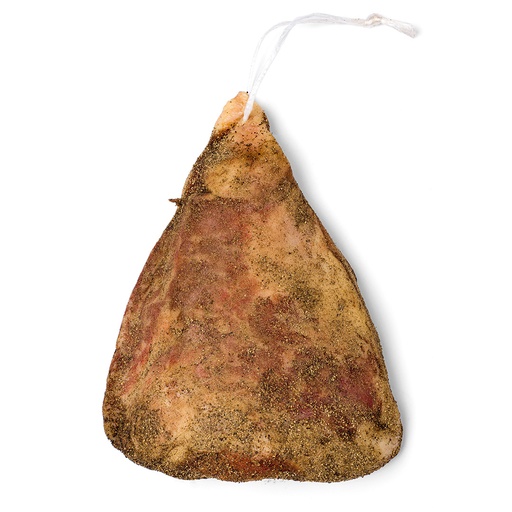
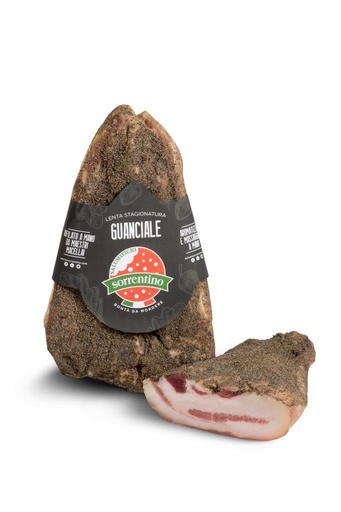
Pancetta Piacentina vs Guanciale
Il guanciale proviene dalla guancia del maiale (la parte più grassa, 60–70% di grasso). La Pancetta Piacentina proviene dalla pancia, con un miglior equilibrio tra magro e grasso (40–50%). Perfetta per antipasti, arrosti e preparazioni che richiedono delicatezza.
In cucina: una versatilità che ispira
La Pancetta Piacentina DOP è straordinariamente versatile. Servila cruda in antipasti raffinati o cuocila per arricchire primi, secondi e contorni.
Antipasti e taglieri
Servita cruda in fette sottili (2–3 mm), la Pancetta Piacentina è la protagonista di ogni tagliere di salumi premium. Abbinala a:
- Parmigiano Reggiano DOP stagionato 24–36 mesi
- Squacquerone di Romagna DOP o formaggi cremosi
- Miele d'acacia o mostarda di frutta
- Gnocco fritto o tigelle emiliane
- Fichi freschi, pere o fichi caramellati
Presenta le fette arrotolate o piegate artisticamente per un impatto visivo premium. Il sapore dolce e delicato conquista anche gli ospiti che di solito evitano i salumi intensi o saporiti.
Primi Piatti
Tagliata a cubetti o striscioline, la Pancetta Piacentina eccelle in:
- Risotti: Risotto con Pancetta Piacentina, radicchio e Gorgonzola DOP
- Pasta: Penne con pancetta, piselli e panna; Tagliatelle con pancetta e funghi porcini
- Zuppe: Zuppa di fagioli e pancetta; Minestrone legato con crema di pancetta
Rosola i cubetti in padella senza aggiungere olio — la pancetta rilascia il proprio grasso. Cuoci a fuoco medio-basso fino a leggera doratura, poi prosegui con la ricetta.
Secondi piatti e contorni
- Arrosti: Avvolgi filetti di maiale, pollo o tacchino in fette di pancetta per mantenerli teneri e saporiti
- Involtini: Vitello o pesce spada avvolti nella Pancetta Piacentina
- Verdure: Fagiolini, asparagi o radicchio avvolti nella pancetta e grigliati
- Uova: Uova in cocotte con pancetta croccante
Finger food e aperitivi
Crea finger food sofisticati per eventi e aperitivi:
- Datteri o prugne avvolti nella pancetta e cotti al forno
- Crostini con pancetta e crema di noci
- Tartellette con mousse di pancetta e Parmigiano
- Pancetta croccante come topping per bruschetta gourmet
Taglio e conservazione professionali
Taglio
Per antipasti e taglieri, affetta la pancetta sottile (2–3 mm) con un'affettatrice professionale. La forma cilindrica regala fette tonde perfette con un'alternanza visiva di magro e grasso che valorizza ogni piatto.
Per la cottura, taglia a cubetti di 1–1,5 cm o a striscioline spesse 4–5 mm. Rimuovi la cotenna esterna solo se necessario.
Conservazione
La Pancetta Piacentina DOP intera si conserva in frigorifero a 0–4°C per 4–6 mesi, avvolta in carta da forno o panno di cotone (mai plastica). Una volta tagliata, consumala entro 10–15 giorni, sottovuoto o in un contenitore ermetico.
LAPA fornisce la Pancetta Piacentina DOP confezionata sottovuoto in pezzi interi (3–5 kg) o mezze pancette (1,5–2,5 kg). Ogni pezzo è accompagnato da certificazione DOP, numero di lotto tracciabile e data di produzione.
Abbinamenti gastronomici e vini
Il sapore dolce e delicato della Pancetta Piacentina si abbina magnificamente a formaggi, frutta e vini.
Con i formaggi
- Parmigiano Reggiano DOP stagionato: contrasto perfetto tra dolcezza della pancetta e sapidità del formaggio
- Squacquerone di Romagna DOP: cremosità che esalta la delicatezza della pancetta
- Gorgonzola DOP dolce: classico abbinamento emiliano
- Taleggio DOP: morbidezza e aromaticità complementari
Con la frutta
- Fichi freschi o caramellati: dolcezza che bilancia le note speziate
- Pere cotte nel vino rosso: eleganza e raffinatezza
- Mele verdi in agrodolce: freschezza che pulisce il palato
- Prugne: concentrazione di sapori in armonia
Con i vini
Per gli antipasti di Pancetta Piacentina cruda, scegli bianchi freschi o rossi giovani del territorio piacentino:
- Gutturnio DOC: Rosso frizzante di Piacenza, l'abbinamento regionale perfetto
- Ortrugo DOC: Bianco fresco e frizzante che esalta la delicatezza della pancetta
- Lambrusco: Rosso frizzante emiliano, piacevole contrasto con il grasso
- Barbera d'Asti DOCG: Acidità che taglia e bilancia
- Franciacorta DOCG: Bollicine eleganti per aperitivi gourmet
Perché ordinare da LAPA
1'200 ristoranti in tutta la Svizzera si fidano già di LAPA. Ecco cosa ottieni:
- Pancetta piacentina DOP certificata: Solo prodotti dal Consorzio di Tutela con certificazione tracciabile
- Selezione premium: Pancette stagionate 5–7 mesi (oltre il minimo di 4 mesi) per un sapore ottimale
- Ordini entro le 05:00, consegna in giornata: Catena del freddo ininterrotta in tutta la Svizzera
- Formati professionali: Pezzi interi 3–5 kg, mezze pancette 1,5–2,5 kg, porzioni sottovuoto su misura
- Nessun ordine minimo: Ideale per ristoranti di qualsiasi dimensione
- Prezzi all'ingrosso: Tariffe competitive con qualità DOP certificata
- Supporto tecnico multilingue: Chef e consulenti LAPA disponibili per ricette, tecniche di taglio e consigli di conservazione
- 1'200 ristoranti partner: Una comunità in crescita di ristoratori professionisti
- Catalogo completo di salumi DOP: Coppa Piacentina, Salame Piacentino, Culatello, Prosciutto di Parma e San Daniele
Domande Frequenti
Qual è la differenza tra Pancetta Piacentina DOP e pancetta comune?
La Pancetta Piacentina DOP segue un rigoroso disciplinare di produzione: materia prima selezionata, lavorazione manuale nella provincia di Piacenza, stagionatura minima di 4 mesi, nessun additivo artificiale. La pancetta non DOP può essere prodotta ovunque, con materie prime variabili, stagionatura più breve (anche 30 giorni) e possibili additivi. La differenza di sapore, qualità e autenticità è significativa.
Si può mangiare la Pancetta Piacentina cruda?
Assolutamente sì. La Pancetta Piacentina DOP è un salume crudo stagionato, perfetto da consumare senza cottura in antipasti e taglieri. La stagionatura minima di 4 mesi garantisce la completa sicurezza alimentare.
Come si conserva la Pancetta Piacentina dopo l'apertura?
Una volta tagliata, conservala in frigorifero a 0–4°C avvolta in carta da forno o in un contenitore ermetico. Consumala entro 10–15 giorni. Per una conservazione più lunga, affetta e confeziona sottovuoto in porzioni. LAPA fornisce pancetta sottovuoto che si conserva fino a 6 mesi se non aperta.
Posso usare la pancetta piacentina al posto del guanciale?
Per le ricette tradizionali come carbonara e amatriciana, il guanciale è preferibile. Tuttavia, la Pancetta Piacentina è un'eccellente alternativa gourmet per varianti creative, offrendo un sapore più delicato e raffinato. Segnalalo sempre nel tuo menu per gli ospiti.
Quale durata di stagionatura è la migliore?
Il minimo DOP è di 4 mesi, ma le pancette stagionate 5–7 mesi offrono un sapore più concentrato e aromatico. LAPA seleziona pancette con oltre 5 mesi di stagionatura. Per gli antipasti crudi, prediligi 5–6 mesi. Per la cottura, anche 4 mesi sono sufficienti.
Quanto costa la pancetta piacentina DOP?
Il prezzo varia in base alla stagionatura e al formato, generalmente CHF 18–28/kg per ordini professionali. LAPA offre prezzi all'ingrosso competitivi con certificazione DOP garantita. Contatta il nostro team commerciale per un preventivo personalizzato in base ai tuoi volumi.
Ordina ora — Consegna in giornata per gli ordini entro le 05:00
Registrati sul nostro sito, esplora il catalogo di salumi DOP e ricevi la tua fornitura in giornata per gli ordini entro le 05:00. Prezzi competitivi, qualità garantita, supporto dedicato. Chiama LAPA al +41 76 361 70 21 o contattaci via WhatsApp — il nostro team multilingue è pronto con una consulenza personalizzata.
Scegli l'eccellenza. Scegli la pancetta piacentina DOP. Scegli LAPA.