Nduja Calabrese: The Spreadable Salami Winning Over Swiss Gourmet Restaurants
Picture this: you slice into an artisanal nduja and a fiery red cream slides out, releasing an aroma that transports you straight to Calabria. If you haven't experienced this yet, you're missing one of the most powerful ingredients in contemporary cuisine. Nduja Calabrese — the spicy spreadable salami from the tiny village of Spilinga — has become the secret weapon of chefs who want to impress without overcomplicating. Creamy, intense, with a vibrant red that lights up every plate and every social media feed. In Switzerland, where diners demand uncompromising Italian quality, more and more restaurants turn to LAPA — the specialist wholesaler working directly with Calabrian artisan producers — to source authentic Spilinga nduja. Read on for everything you need to know: from its fascinating origins to professional recipes, from preservation techniques to the market trends driving nduja's global rise.
Origins and History of Nduja Calabrese
Nduja traces its roots to the deep heart of Calabria, specifically to Spilinga, a small village in the province of Vibo Valentia, in the Monte Poro area. Its story begins in the 19th century, when Calabrian farming families needed ingenious ways to use every part of the slaughtered pig. Born from "cucina povera" (peasant cooking), nduja was a brilliant solution for transforming less noble cuts into something extraordinary, mixing them with generous amounts of Calabrian peppers that served as a natural preservative. The name likely derives from the French "andouille," a sausage type brought to Calabria during Joachim Murat's Napoleonic rule in the early 1800s — though the Calabrian version took its own entirely unique path. For centuries, nduja remained a local secret, consumed in Calabrian homes and virtually unknown beyond regional borders. Then came the revolution: over the past two decades, Michelin-starred chefs and international gourmets discovered it and never looked back. Today Spilinga is recognized as the official homeland of nduja, and the product is undergoing IGP certification (Protected Geographical Indication) — a seal that will further guarantee its authenticity. From peasant kitchen to star of contemporary gastronomy, nduja now appears on menus at the world's most prestigious restaurants, while never losing its popular soul and deep connection to Calabrian terroir.
Characteristics and Traditional Production
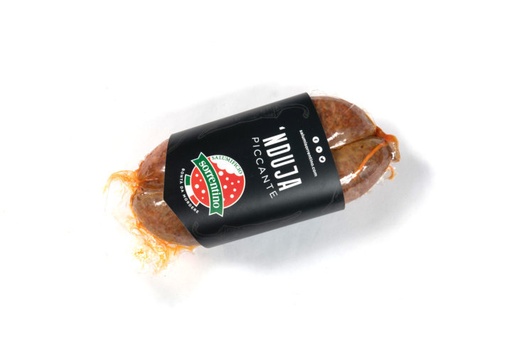
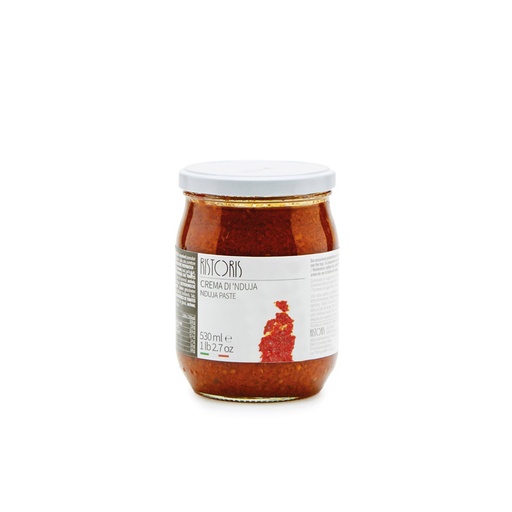
Authentic Calabrian nduja is defined by organoleptic characteristics that make it unmistakable. Its soft, spreadable, almost creamy consistency results from a precise production process: fatty parts of the pig (primarily pork belly, lard, and guanciale) are finely minced and mixed with fresh Calabrian peppers in quantities reaching up to 30% of total weight. This high pepper content delivers the characteristic bright red color and heat while acting as a natural preservative. The peppers belong to local Calabrian varieties that produce a distinctive warmth — less aggressive than other chili types but more persistent and aromatic, ranging between 25,000 and 40,000 Scoville Heat Units (SHU), comparable to Cayenne but with more complex, fruity notes. Traditional production involves fine grinding of the pork, mixing with ground pepper, sea salt, and sometimes wild fennel, followed by casing in natural intestine. Unlike other salamis, nduja doesn't undergo extended dry aging — instead, a brief maturation of 50 to 90 days in controlled environments allows characteristic aromas to develop through natural fermentation. The final texture must remain soft and spreadable: when cut, it should flow easily from the casing with a pâté-like consistency. The difference between artisanal and industrial nduja is significant. Quality artisanal nduja delivers a perfect balance of fat, spices, and heat, with superior aromatic depth and a more velvety texture. The fat content — which may seem excessive at first glance — is actually essential: it carries the aromas during cooking, melting into naturally creamy sauces and condiments. For restaurateurs seeking to differentiate their offering, choosing artisanal nduja isn't optional — it's the only choice that matters.
Nduja in the Kitchen: Modern and Traditional Applications
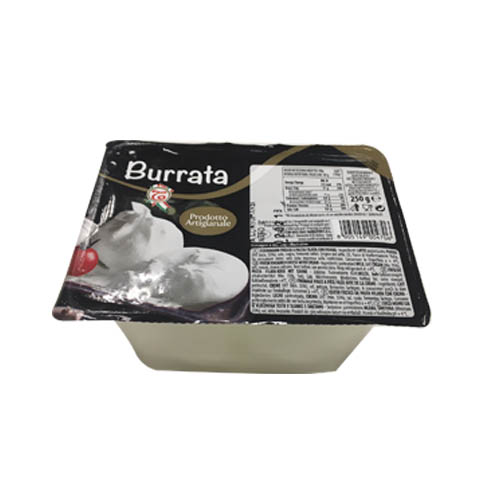
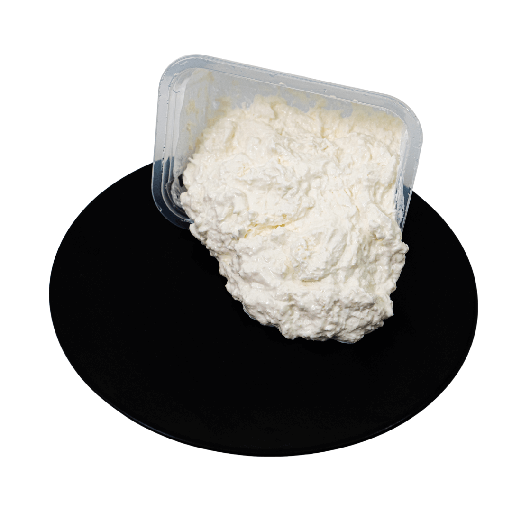
In Calabria, the tradition runs deep: nduja spread on warm homemade bread, often paired with fresh ricotta or pecorino to balance the heat. Or melted into pasta sauces, where it fuses with olive oil to create a naturally creamy coating. In winter, it enriches bean and chickpea soups with depth and warmth. But it's in modern cuisine that nduja has found its most spectacular expression. Chefs worldwide have discovered it as a "flavor amplifier" — a few grams can transform a simple dish into something unforgettable. In pasta, the possibilities multiply: melt it directly in a pan with olive oil for a sauce base, blend with cream or mascarpone for velvety condiments, or fold into meat ragù for complexity and a spicy edge. The most celebrated combinations? Nduja with seafood — clams, squid, prawns — where the richness of the cured meat balances the delicacy of the fish. On pizza, nduja has become a must-have topping: spread before baking, dotted over mozzarella, or added after the oven with fresh burrata for a stunning temperature contrast. Top pairings: burrata and arugula, porcini mushrooms, or honey for a sophisticated sweet-savory contrast. In appetizers, nduja shines on crostini with ricotta or stracciatella, in arancini, in meatballs, or as a filling for vegetables. A chef's favorite technique: nduja as "compound butter" — blended with softened butter, it's perfect for finishing risottos, dressing grilled meats, or melting over roasted vegetables. For cheese pairings, nduja works beautifully with fresh, creamy varieties (burrata, stracciatella, ricotta) that temper the heat, as well as aged cheeses like pecorino and Parmigiano that amplify its savory depth. Wine pairings: structured reds like Cirò Rosso, Primitivo di Manduria, or Nero d'Avola — or aromatic whites like Fiano and Greco di Tufo for a compelling contrast. The golden rule: heat makes it liquid. A few minutes in a pan over medium heat and it melts completely, releasing pepper-infused oils — ideal for emulsions and sauces with a naturally silky texture, no flour or thickeners needed.
How to Use Nduja in Professional Catering
For professional chefs and restaurateurs, mastering nduja means understanding dosages, cooking techniques, and optimal storage. Nduja is a potent ingredient — precise portioning matters. For pasta: 20–30 g per person delivers full character. For pizza and focaccia: 15–20 g across the surface. For crostini and appetizers: 10–15 g per serving strikes the perfect balance. The key technique is "controlled melting": add nduja at the start of cooking in a pan with a drizzle of extra virgin olive oil over medium-low heat, stirring until fully dissolved. This creates an exceptional aromatic base for any sauce. For raw applications — on post-bake pizza or crostini — bring to room temperature before service. Ideal serving temperature: warm, never boiling (excessive heat makes the spiciness too aggressive). Professional storage: unopened, nduja keeps up to 12 months refrigerated at 0–4°C. Once opened, well covered with cling film or in an airtight container, it maintains optimal quality for 3–4 months. Pro tip: portion into small quantities wrapped individually in parchment paper inside an airtight container — this minimizes oxidation and speeds up kitchen workflow. On the menu, nduja delivers remarkable versatility: appetizers (crostini, canapés, fried items), first courses (creamy pastas, risottos), gourmet pizzas, mains (as a glaze for meats or fish), aperitifs (compound butters, spreadable creams). Many successful restaurants build signature dishes around nduja — its intense red color is irresistible on social media. The fusion trend is also gaining momentum: Asian chefs incorporate it into ramen and dumplings, South American kitchens use it in empanadas. The principle: nduja should enhance, not dominate. In fall and winter, pair it with pumpkin, mushrooms, cabbage, and legumes. In summer, contrast it with fresh tomatoes, basil, and creamy cheeses.
Why Nduja Is Trending in Gourmet Restaurants
The numbers tell the story: the global nduja market grew from approximately $227 million in 2023, with projections reaching $411 million by 2033 — annual growth exceeding 6%. This isn't a passing fad; it's a structural market shift. First: nduja perfectly aligns with the "authentic regional cuisine" trend. Diners willing to invest in premium gastronomic experiences want products with real stories, rooted in genuine traditions. Nduja delivers exactly that — from Calabrian peasant kitchen to gourmet ingredient, a compelling narrative. Second: its versatility is unmatched. Few ingredients transition so seamlessly from appetizers to mains, from pizzas to dessert courses, while maintaining impact and recognition. Third: the Instagram factor. That brilliant red, the glossy creaminess when melted — nduja dishes rank among the most photographed and shared on social media, a critical factor in modern restaurant marketing. Fourth: nduja meets the growing demand for "sophisticated spice" — not raw heat, but balanced, aromatic warmth that adds complexity without brutality. In Switzerland, the market is particularly receptive: a significant Italian community seeking authenticity, a cosmopolitan audience open to culinary discovery, and a premium restaurant sector ready to invest in quality ingredients. Italian and fusion restaurants in Zurich, Geneva, Basel, and Lugano report excellent results in customer satisfaction and margins after adding nduja to their menus. Economically, it's compelling: while the per-kilo price may appear high (CHF 25–40 retail, less wholesale), the yield is outstanding — just 20–30 g per dish. Cost per portion: under CHF 1. The long shelf life minimizes waste. With IGP certification approaching, nduja is establishing itself alongside burrata, guanciale, and truffle as a symbol of Italian gastronomic excellence. Restaurants that adopt it now gain a competitive edge. Those that wait will be playing catch-up.
Professional Recipes with Nduja
Here are proven recipes that deliver consistent results in professional kitchens. Creamy Nduja Pasta: Melt 80–100 g of nduja for 4 servings in a pan with extra virgin olive oil, add a ladle of pasta cooking water to emulsify, then toss al dente pasta (short formats like rigatoni or paccheri work best) directly in the pan. Finish with grated pecorino and fresh parsley. Winning variations: confit cherry tomatoes or raw burrata at service. Gourmet Burrata & Nduja Pizza: Bake pizza with tomato base and fior di latte, then straight from the oven add nduja pieces that begin to melt, hand-torn burrata, and arugula. A drizzle of basil oil completes the dish elegantly. Nduja & Ricotta Crostini: Toasted country bread spread with quality ricotta, small amounts of nduja, chestnut or acacia honey for sweet-savory contrast, grated lemon zest for freshness. Simple yet striking. Nduja Arancini: Replace the classic ragù filling with nduja mixed with peas and mozzarella cubes. The heat perfectly balances the richness of the fry. Nduja & Lemon Risotto: Prepare risotto with vegetable broth, add 60 g nduja per 4 servings in the final minutes — it melts and naturally creams the rice. Finish with butter, Parmigiano, grated lemon zest, and fresh basil. The balance of richness, heat, and freshness is remarkable. Nduja Glaze: Nduja blended with honey and balsamic vinegar creates a glossy glaze for ribs, grilled chicken, or salmon — an irresistible sweet-sour-spicy profile. Nduja & Eggs: Poached eggs on toasted bread with melted nduja as a "spicy hollandaise" — a brunch standout. The secret across all these preparations: balance the richness and heat with fresh dairy, citrus, aromatic herbs, and sweet elements — creating harmonies that make every dish accessible even to palates less accustomed to spice.
LAPA Nduja: Calabrian Authenticity for Swiss Restaurants
Choosing the right nduja supplier isn't a minor detail — it's the decision that separates "good" from "unforgettable." LAPA has established itself as the go-to source for authentic Spilinga nduja in Swiss professional foodservice. We work directly with selected Calabrian artisan producers who uphold traditional methods — premium pork, indigenous Calabrian peppers, no shortcuts. The result: nduja with authentic organoleptic characteristics — the right fat-to-meat ratio, the balanced heat of local peppers, that creamy consistency that sets artisanal apart from industrial imitations. We offer formats for every need: 300 g for bistros and small restaurants, 500 g–1 kg for medium volumes, larger formats for chains and high-volume kitchens. Every product ships with full traceability documentation. Our nduja suits Italian restaurants, gourmet pizzerias, fusion bistros, wine bars, event catering — any establishment that wants to stand out with authentic ingredients. And we don't just deliver: our team supports you with usage recommendations, professional recipes, and guidance on portions and pairings. With over 2,000 products in our catalog, we're the partner that simplifies your sourcing. In a market where authenticity drives customer perception, partnering with LAPA means you can tell your guests with confidence: "This nduja is authentically Calabrian." They'll taste the difference from the very first bite.
Ready to taste the difference? Call us now at +41 76 361 70 21 — we'll send you a complimentary sample of authentic Calabrian nduja.
Frequently Asked Questions (FAQ)
What is Calabrian nduja?
Calabrian nduja is a spreadable cured meat from Spilinga, Calabria, made from fatty pork cuts (pork belly, lard, guanciale) finely minced and mixed with spicy Calabrian peppers in quantities reaching up to 30% of total weight. Unlike traditional salamis, nduja maintains a soft, creamy consistency — spreadable like a pâté. It's cased in natural intestine and briefly aged for 50–90 days. The result: a product with intense red color, rich and complex flavor, and a characteristic heat that perfectly balances the richness of the meat. Recognized as one of the finest expressions of Calabrian gastronomy, nduja is currently experiencing remarkable success in international gourmet cuisine.
How spicy is nduja?
Spiciness varies by producer but generally ranges between 25,000 and 40,000 Scoville Heat Units (SHU) — comparable to Cayenne pepper. However, the perception differs significantly: thanks to the high fat content that carries the pepper's essential oils, the heat develops gradually and persistently, proving less aggressive and more "rounded" than pure hot sauces. Most people describe it as "spicy but balanced," with an aromatic complexity that goes well beyond mere burn. For sensitive palates, pairing with fresh dairy — ricotta, burrata, stracciatella — tempers the intensity while preserving the full flavor.
How do you store nduja?
Unopened: up to 12 months refrigerated at 0–4°C. Opened: in the refrigerator, well covered with cling film in direct contact or in an airtight container, it maintains optimal quality for 3–4 months. A slight darker patina from surface oxidation is normal — simply remove before use. Freezing is possible (up to 6 months), though texture may be slightly affected. For professional use: portion into 1–2 week quantities to reduce waste and maintain freshness.
Does nduja need to be cooked?
Nduja can be enjoyed both raw and cooked — the two methods offer distinct experiences. As an aged cured meat, nduja is ready to eat without cooking: spread on bread, crostini, or paired with fresh cheeses. When heated, it transforms completely: warmth causes it to melt, releasing pepper-infused oils that create naturally creamy sauces and condiments. In the kitchen, add it at the start of preparation over medium-low heat, allowing it to melt with olive oil or butter before adding other ingredients. Cooking intensifies the heat — for milder spiciness, use it raw or with brief cooking times.
How much does nduja cost for restaurants?
Retail in Switzerland: CHF 25–40 per kilogram. Wholesale for professional foodservice: significantly lower, especially for recurring orders or larger volumes. The key advantage: nduja delivers excellent economic yield. Just 20–30 g per portion characterizes a dish — the cost per plate is typically under CHF 1. Additionally, the long shelf life (12 months sealed, 3–4 months opened) dramatically reduces waste. When sourcing through LAPA, you benefit from competitive pricing and professional guidance — an investment that pays returns in both quality and margin. Call us at +41 76 361 70 21 for a personalized quote.