


Last updated: 28 May 2026
In 30 seconds: the story of Neapolitan pizza
Neapolitan pizza was born in the streets of Naples in the 1700s as cheap food for the poor: a disc of leavened dough with tomato, dressed and folded "a libretto" (booklet-style). The turning point is 1889, when pizzaiolo Raffaele Esposito dedicated to Queen Margherita of Savoy a pizza with tomato, fiordilatte and basil, the colours of the Italian flag: the Margherita was born.
In 2017 UNESCO inscribed the Art of the Neapolitan Pizzaiuolo on the Representative List of the Intangible Cultural Heritage of Humanity. The Verace Pizza Napoletana STG specification fixes the rules: soft wheat flour 00, oven at 430-485 C, baking time 60-90 seconds, hydration 55-62%, diameter 22-35 cm, a soft puffed cornicione (raised edge). Below: timeline, the STG specification table, ingredients, styles and FAQ.
Historical timeline of Neapolitan pizza
| Year | Event |
|---|---|
| 16th-17th c. | White flatbreads with lard, garlic and salt sold in the streets of Naples |
| ~1730 | Tomato (arrived from the Americas) is added to the dough: the modern pizza is born |
| 1738 | Antica Pizzeria Port'Alba opens, considered the first true pizzeria in the world |
| 1830 | Port'Alba moves to a fixed venue with tables: pizza becomes a sit-down dish |
| 1889 | Raffaele Esposito creates the Margherita for Queen Margherita of Savoy |
| 1984 | Founding of the Associazione Verace Pizza Napoletana (AVPN), which codifies the discipline |
| 2010 | The EU registers "Pizza Napoletana" as a Traditional Speciality Guaranteed (TSG / STG) |
| 2017 | UNESCO inscribes the Art of the Neapolitan Pizzaiuolo as Intangible Cultural Heritage |
The STG specification: numbers of true Neapolitan pizza
The "Verace Pizza Napoletana" STG specification (EU Reg. 97/2010) and the AVPN regulation set non-negotiable parameters. This is the technical sheet every pizzaiolo must respect.
| Parameter | Value required |
|---|---|
| Flour | Soft wheat 00 (or 0), W 220-300 |
| Hydration | 55-62% (water on flour weight) |
| Salt | 40-60 g per litre of water |
| Yeast | Fresh brewer's yeast 0.1-3 g/litre, or natural sourdough |
| Leavening | 8-24 hours total (bulk + balls), room temperature |
| Dough ball weight | 200-280 g |
| Final diameter | 22-35 cm (max 35 cm) |
| Cornicione (raised edge) | 1-2 cm high, soft and airy |
| Centre thickness | 0.25 cm (about 3 mm max) |
| Oven | Wood-fired dome oven |
| Baking temperature | 430-485 C (floor about 430 C, dome about 485 C) |
| Baking time | 60-90 seconds |
The origins: pizza is born in the streets of Naples
Before being a dish, pizza was street food. In 18th-century Naples it was the food of the lazzari, the city's poor: cheap, eaten standing, folded in four ("a portafoglio") to carry it while walking.
The decisive ingredient was the tomato. Arrived in Europe from the Americas in the 1500s, long thought poisonous, it was adopted in the Neapolitan countryside in the early 1700s. On a disc of leavened dough, tomato, oil, garlic and oregano, the Marinara was born: still today one of the two canonical pizzas, named after the fishermen's wives (the "marinare") who prepared it for husbands at sea.
The first true pizzeria with a fixed venue is the Antica Pizzeria Port'Alba, active from 1738 as a street stall and from 1830 with tables and oven. Naples thus gave the world not only the pizza, but the pizzeria as a place.
1889: the Margherita and Queen Margherita of Savoy
The most famous episode of pizza history dates to June 1889. During a stay at the Capodimonte Palace, Queen Margherita of Savoy asked to taste the popular dish she had seen eaten in the streets.
Pizzaiolo Raffaele Esposito of the Pizzeria Brandi prepared three pizzas. The Queen preferred the one with tomato, fiordilatte and fresh basil: red, white and green, the colours of the newly unified Italian flag. In her honour the pizza was named Margherita. The thank-you letter signed by the royal household ("Galli Camillo, Head of the Table Service") is still preserved at Brandi.
Historians debate whether the story is partly legend, but the cultural fact is undeniable: from 1889 the Margherita becomes the symbol of Neapolitan pizza and the patriotic emblem of a young nation.
2017: UNESCO and the Art of the Neapolitan Pizzaiuolo
On 7 December 2017, in Jeju (South Korea), UNESCO inscribed the Art of the Neapolitan Pizzaiuolo ("L'Arte del pizzaiuolo napoletano") on the Representative List of the Intangible Cultural Heritage of Humanity. Over 2 million signatures supported the candidacy.
UNESCO did not protect the pizza as a product, but the craft gesture: the know-how of the pizzaiuolo, the spinning of the dough by hand, the management of the wood-fired oven, the songs and the social role of the pizzaiolo in the neighbourhoods of Naples. It is a living heritage, passed from master to apprentice.
This is the only Italian culinary art on the UNESCO intangible list. For a Swiss restaurateur it means one thing: offering a "Neapolitan pizza" is offering a piece of recognised world heritage, and that demands respect for the technique and the right ingredients.
The Verace Pizza Napoletana STG specification
"Verace Pizza Napoletana" is a Traditional Speciality Guaranteed (STG), registered by the EU in 2010. It is not a geographical mark (it can be made anywhere) but a guarantee of method: respect the recipe and the technique and you may call your pizza "verace".
Two official versions exist: Marinara (tomato, garlic, oregano, oil) and Margherita (tomato, fiordilatte or mozzarella, basil, oil). The dough is worked by hand or with a slow-speed mixer, never with a rolling pin: the gas must migrate to the edge to form the cornicione.
The two bodies that certify worldwide are the AVPN (Associazione Verace Pizza Napoletana, 1984) and the STG European mark. A certified pizzeria displays the trademark and respects every parameter of the table above.
The true ingredients of Neapolitan pizza
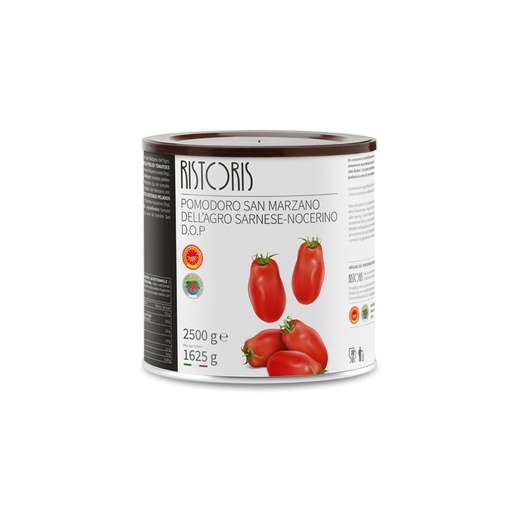
Tomato. Peeled San Marzano dell'Agro Sarnese-Nocerino DOP, or Piennolo del Vesuvio DOP cherry tomatoes. Crushed by hand, never blended, salted, no cooking before the oven.
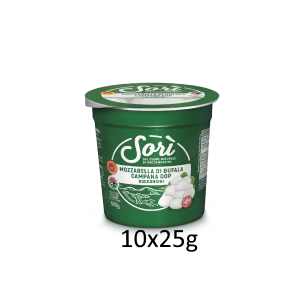
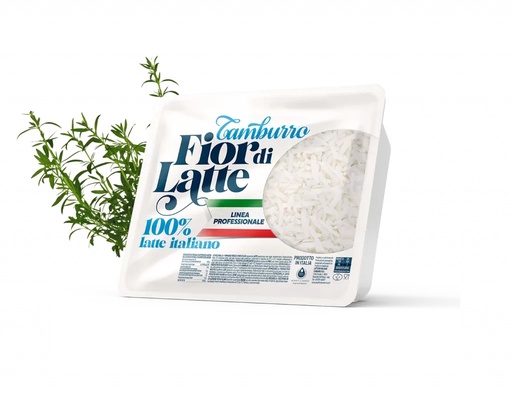
Mozzarella. Mozzarella di Bufala Campana DOP or fiordilatte (cow's milk). Cut into strips and well drained: excess whey ruins the bake.
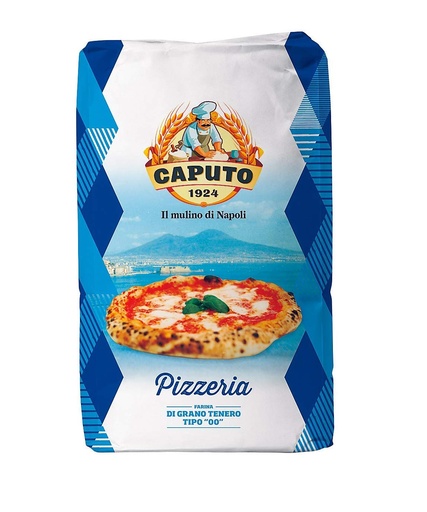
Flour. Soft wheat 00, W 220-300, suited to long leavening. Caputo, Le 5 Stagioni and Molino Dallagiovanna are the references of professional pizzaioli.
Oil and basil. Extra virgin olive oil added raw in a spiral, fresh basil leaves placed before baking. Sea salt for the dough.
Leavening. 8 to 24 hours, with fresh brewer's yeast or natural sourdough. Long, slow leavening makes the pizza lighter and more digestible: this is the real difference from industrial pizza.
Neapolitan pizza vs other styles
| Style | Dough / edge | Oven and time | Distinctive trait |
|---|---|---|---|
| Neapolitan STG | High soft cornicione, soft centre | 430-485 C, 60-90 s | Eaten with knife and fork, foldable |
| Roman "scrocchiarella" | Thin, low, crunchy | 300-330 C, 3-4 min | Crisp throughout, rolled thin |
| Pizza in teglia (pan) | High hydration 75-85%, airy | 250-300 C, 12-18 min | Rectangular, sold by weight |
| Pizza al padellino (Turin) | Thick, soft, small round pan | 280-320 C, 8-12 min | Individual, fried-base edge |
| American / Neapolitan-American | Thick, dense, lots of cheese | 250-290 C, 10-15 min | Pan, generous toppings |
FAQ: questions about Neapolitan pizza
Why is Neapolitan pizza UNESCO heritage?
In 2017 UNESCO recognised not the pizza but the Art of the Neapolitan Pizzaiuolo: the manual know-how, the dough spinning, the wood-oven management and the social tradition of Naples. It is the only Italian culinary art on the intangible heritage list.
Who invented the Margherita pizza?
Pizzaiolo Raffaele Esposito, in 1889, in honour of Queen Margherita of Savoy. He chose tomato, fiordilatte and basil: red, white and green, the colours of the Italian flag. The recipe took the Queen's name.
What does Verace Pizza Napoletana STG mean?
STG (Traditional Speciality Guaranteed) is an EU mark registered in 2010 that protects the recipe and the method, not the place of production. It fixes flour, hydration 55-62%, oven 430-485 C and baking 60-90 seconds.
At what temperature is Neapolitan pizza baked?
In a wood-fired dome oven at 430-485 C (floor about 430 C, dome about 485 C), for 60-90 seconds only. This intense, very short heat creates the puffed, leopard-spotted cornicione typical of the verace.
What is the difference between Marinara and Margherita?
They are the two canonical Neapolitan pizzas. Marinara: tomato, garlic, oregano, oil, no cheese. Margherita: tomato, fiordilatte or buffalo mozzarella, basil, oil. The Margherita dates to 1889, the Marinara is older.
Which tomato for a true Neapolitan pizza?
Peeled San Marzano dell'Agro Sarnese-Nocerino DOP, or Piennolo del Vesuvio DOP cherry tomatoes. Crushed by hand and salted, never blended or pre-cooked. The sweet acidity and low water content are essential.
How long should the dough leaven?
From 8 to 24 hours with little fresh yeast, or longer with natural sourdough. Long, slow leavening at room temperature makes the pizza lighter and easier to digest: it is the real difference from industrial pizza.
Where to buy authentic Neapolitan pizza ingredients in Switzerland?
LAPA supplies pizzerias all over Switzerland with San Marzano DOP, buffalo mozzarella DOP, fiordilatte, 00 pizza flour, Neapolitan basil and extra virgin olive oil. Refrigerated delivery 6 days a week, orders on +41 76 361 70 21 or lapa.ch/shop.
LAPA: ingredients for true Neapolitan pizza
LAPA is the Italian food wholesaler in Switzerland for pizzerias, restaurants and professional kitchens. 3,000+ authentic products, refrigerated delivery 6 days a week, direct supply chain with selected Italian producers.
In the pizza range: San Marzano dell'Agro Sarnese-Nocerino DOP, Piennolo del Vesuvio DOP cherry tomatoes, Mozzarella di Bufala Campana DOP, fiordilatte for pizza, 00 pizza flour (Caputo, Le 5 Stagioni), extra virgin olive oil, fresh basil, sea salt and natural sourdough. Everything to respect the STG specification.
Orders: lapa.ch/shop or +41 76 361 70 21. Free technical advice for pizzaioli and restaurateurs.