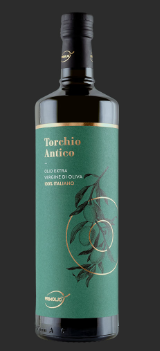
Italian Olive Oil: How to Recognize True Quality
Olive oil is the heart of Italian cuisine. Yet between an excellent Extra Virgin from a specific region of Italy and an industrial mass product, there is a world of difference. For hospitality professionals in Switzerland, choosing the right olive oil is decisive: it influences the taste of every dish, from a simple bruschetta to the finest carpaccio. LAPA supplies restaurants and specialty retailers throughout Switzerland with carefully selected DOP olive oils from Italy's best production areas.
But how do you recognize true quality? In this article, you will learn everything about EU quality classifications, the most important quality labels, the five characteristics of an outstanding olive oil, and how professionals conduct a tasting. With this knowledge, you are guaranteed to make the right choice at your next purchase.
Extra Virgin, Virgin, Olive Oil: What Do These Terms Mean?
EU Quality Classes Explained
The European Union classifies olive oil into clearly defined quality grades. The highest designation is Olio Extra Vergine di Oliva. This oil is obtained exclusively through mechanical processes, pressing is done cold at temperatures below 27 degrees Celsius, and acidity must not exceed 0.8 per cent. It must also be free of defects in sensory analysis and display fruity notes.
The second grade is Olio Vergine di Oliva, with acidity up to 2.0 per cent. Slight sensory defects are permitted here. Simple olive oil is a blend of refined and virgin oil. It has little flavour and limited nutritional value. For the professional kitchen, only Extra Virgin meets the standard.
Why Extra Virgin Alone Is Not Enough
Caution: an Italian brand name does not automatically mean Italian olives. Look for the label 100% Italiano or DOP/IGP certification. Many large corporations bottle oil in Italy but use olives from Spain, Greece, Tunisia or Turkey. The note Blend of EU and non-EU oils on the label reveals a cheap industrial product with no clear origin. Such oils meet the minimum standard but do not offer the depth of flavour of a regional Italian oil. LAPA sources only olive oil with guaranteed origin and full traceability.
DOP and IGP: The Most Important Quality Labels
DOP: All Steps in One Region
DOP stands for Denominazione di Origine Protetta. For a DOP olive oil, cultivation, harvesting, pressing and bottling must all take place in a precisely defined geographical area. Olive varieties are prescribed, harvesting methods are regulated, and processing is controlled. Italy has over 40 DOP olive oils, including famous designations such as Terre di Bari DOP from Puglia, Val di Mazara DOP from Sicily, and Chianti Classico DOP from Tuscany. Each DOP oil carries the unmistakable character of its region of origin.
IGP: At Least One Step in the Region
IGP stands for Indicazione Geografica Protetta. For an IGP olive oil, at least one production step must take place in the designated region. The best-known IGP designation is Olio Toscano IGP. IGP oils offer good quality at a slightly lower price than DOP oils. For professional gastronomy, both DOP and IGP represent excellent choices. LAPA carries both categories and is happy to advise you on which oil best suits your kitchen.
5 Characteristics of High-Quality Olive Oil
How do you recognize a truly good olive oil? These five criteria will help you choose.
Harvest Year (Not Just the Bottling Date!)
A high-quality olive oil displays the harvest year on the label, for example Raccolta 2025/2026. The bottling date alone says little, as oil can be bottled months after harvest. Fresh olive oil from the current harvest offers the best aromas and highest nutritional value. As a rule of thumb, olive oil should be consumed within 18 months of harvest. LAPA consistently selects current harvests for its range.
Acidity Below 0.5 Per Cent
Acidity, measured in free fatty acids, is an objective quality indicator. While Extra Virgin may legally have up to 0.8 per cent, top oils sit well below this. Premium olive oil from carefully handled olives achieves values of just 0.2 to 0.5 per cent. Low acidity means the olives were healthy and were processed quickly after harvest. Look for indications such as Acidita massima 0.3% on the label.
Polyphenol Content
Polyphenols are natural antioxidants that give olive oil its health value and its character. A good olive oil contains at least 250 milligrams of polyphenols per kilogram; premium oils exceed 300 milligrams per kilogram. Since 2012, the EU has authorized an official health claim for olive oils with at least 250 mg/kg of polyphenols: the protection of blood lipids from oxidative stress. Oils from early-harvested, still-green olives are particularly rich in polyphenols. LAPA offers olive oil with documented polyphenol content for the most demanding professionals.
Fruitiness, Bitterness, Pungency
Many consumers shy away from bitter or pungent olive oil. This is a mistake. Bitterness and a slight peppery sensation in the throat are signs of high polyphenol content and therefore of a high-quality oil. Professional olive oil tasters evaluate three positive attributes: Fruity (fruttato), meaning the aroma of fresh olives. Bitter (amaro), the taste perceived on the tongue. And pungent (piccante), the tingling in the throat. A flat, tasteless olive oil lacking these characteristics is inferior, regardless of what the label says.
Dark Bottle or Canister
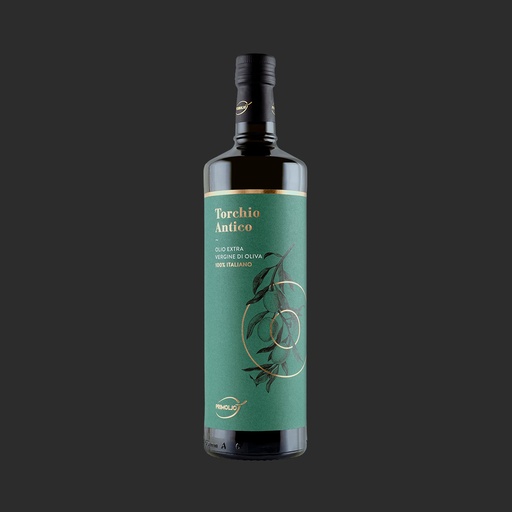
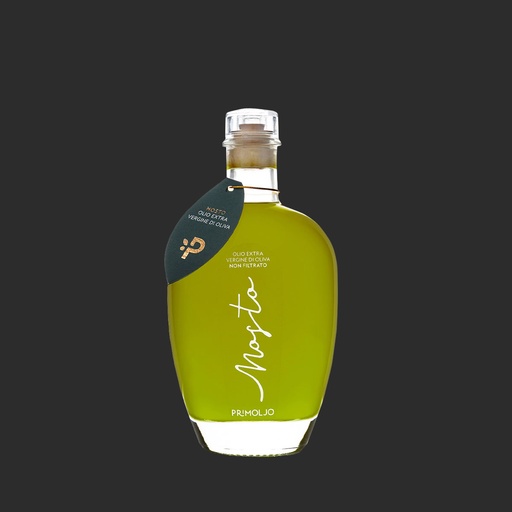
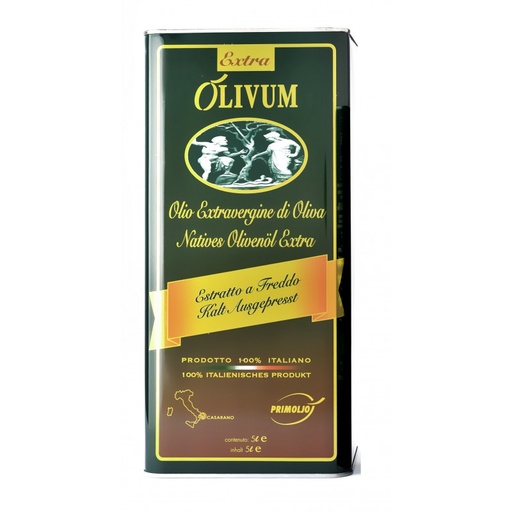
Light is olive oil's greatest enemy. Quality producers bottle their oil in dark glass bottles or opaque canisters. Transparent bottles may look attractive on the shelf, but they damage the valuable polyphenols and significantly shorten shelf life. If a producer bottles in clear containers, they are placing aesthetics above quality. At LAPA, you will find exclusively olive oil in appropriate packaging.
The Tasting Test: How Professionals Taste
Professional olive oil tasters use a standardized procedure. They take a small blue glass, pour in approximately 15 millilitres of oil, and warm the glass in the palm of their hand to body temperature. Then they smell the oil and note the aromas: grass, tomato, artichoke, almond or apple are typical positive notes.
When tasting, they take a small sip and distribute it throughout the mouth. While doing so, they draw air through their teeth, which intensifies the aromas. A good olive oil reveals clear fruitiness, a pleasant bitterness on the tongue, and a slight burning sensation in the throat. This burning is called pizzicore by experts and is a sure sign of high polyphenol content. You too can perform this test at home or in the restaurant. LAPA organizes tastings on request for hospitality businesses in the Zurich region.
Common Mistakes When Buying Olive Oil
The olive oil market is full of pitfalls. Here are the most common mistakes that even experienced buyers make.
- Buying on price alone: cheap olive oil is almost always a characterless blend. Quality has its price, and a good Extra Virgin costs from approximately 12 to 15 Swiss francs per litre upwards.
- Using colour as a quality indicator: colour says nothing about quality. Green oil is not automatically better than golden. Professional tastings take place in blue glasses precisely to exclude colour from the assessment.
- Blindly trusting big brands: famous Italian names often bottle cheap EU blends. Read the fine print on the label.
- Buying huge bottles: olive oil quickly loses quality after opening. For home use, 500 millilitres is ideal. For hospitality, LAPA recommends the appropriate packaging system.
- Buying oil that has been sitting under fluorescent light in the supermarket: light destroys polyphenols. Buy from specialist suppliers like LAPA, who ensure correct storage.
Storage: How to Keep the Oil Fresh
Even the finest DOP olive oil loses its quality with improper storage. Three factors are crucial: light, temperature and oxygen.
- Store in the dark: keep olive oil in a closed cupboard or pantry, never on the windowsill or next to the stove.
- Cool temperature: the ideal storage temperature is between 17 and 20 degrees Celsius. Too warm accelerates oxidation; too cold can cloud the oil, which is harmless but unnecessary.
- Seal well: contact with oxygen turns olive oil rancid. Always reseal the bottle immediately after use. LAPA offers canisters with practical pouring spouts that minimize air contact.
After opening, olive oil should be consumed within three to six months. In the professional kitchen, a regular purchasing rhythm is recommended. LAPA delivers within 24 to 48 hours throughout Switzerland, so you always have fresh oil in stock.
LAPA: DOP Olive Oil from Italy's Finest Regions
As your specialist for Italian food products in Switzerland, LAPA carries a carefully curated selection of DOP olive oils from Sicily, Puglia and Tuscany. Our oils come from selected producers who have been cultivating olive groves for generations and uphold the highest quality standards.
We carry selected DOP olive oils from Sicily, Puglia and Tuscany. Every oil in our range meets the strict criteria described in this article: documented harvest year, low acidity, high polyphenol content and appropriate packaging. LAPA supplies over 500 hospitality businesses throughout Switzerland and understands the demands of professional kitchens.
Whether for a delicate fish preparation, a classic pinzimonio or as a finishing touch on the plate: with the right olive oil, you elevate your dishes to a new level. Contact LAPA for personal advice or order directly at lapa.ch. Delivery within 24 to 48 hours throughout Switzerland. 📞 +41 76 361 70 21