
Last updated: 7 July 2026
In 30 seconds: ricotta vs mascarpone vs quark
Ricotta is technically not a cheese but a whey product, re-cooked (“ricotta” means re-cooked): light and grainy, around 8-13% fat. Mascarpone is a cream-based fresh cheese, acid-set and drained: dense and buttery at 40-47% fat — the structural engine of tiramisù. Quark is an acid-set fresh cheese from milk, standard in Swiss and German kitchens: tangy and smooth, usually far leaner. The swap rules: mascarpone can replace cream in savoury sauces; ricotta lightens fillings for cannoli, ravioli and baked cakes; quark can stand in for ricotta in cheesecake with a tangier finish — but nothing replaces mascarpone in tiramisù without losing body. The three look alike in the tub; it is the fat content that decides texture, structure and how each behaves under heat.
Ricotta, Mascarpone, Quark: Understanding Italian Fresh Cheese
Anyone who cooks Italian encounters them constantly: ricotta, mascarpone and quark. Three white, creamy products that look similar at first glance but possess entirely different characteristics. Whether for tiramisu, cannoli or a light pasta filling, choosing the right fresh cheese determines the flavour and texture of a dish. LAPA delivers fresh Italian cheese specialities directly to you in Switzerland and helps you understand the differences.
Three fresh cheeses, three worlds
Ricotta, mascarpone and quark are often confused or treated as interchangeable. This is a mistake, because each of these products has its own history, its own production method and a unique flavour profile. Ricotta comes from the Italian whey tradition, mascarpone is a luxurious cream product from Lombardy, and quark is a Central European classic with a long tradition in Switzerland and Germany. LAPA carries authentic Italian fresh cheeses from selected producers, so you can always use the original in your kitchen.
The differences show themselves in three central areas: production, fat content and culinary use. Understanding these three aspects ensures you always make the right choice at the cheese counter.
Ricotta: not really a cheese
Strictly speaking, ricotta is not actually a cheese. While classic cheese is made from milk, ricotta is born from whey, a by-product of cheese-making. This makes ricotta a unique food with a particularly light character. LAPA sources ricotta directly from traditional Italian dairies that have cultivated this craft for generations.
Production from whey (ri-cotta = cooked again)
The name already reveals the secret: ri-cotta means cooked again in Italian. During the production of cheeses like pecorino or mozzarella, whey remains. This whey still contains valuable proteins, particularly albumin and globulin. By reheating it to approximately 80 to 90 degrees, these proteins coagulate and rise to the surface as a white, flaky foam. This is skimmed off and drained in small baskets. The result is ricotta: delicate, fine-grained and with a fat content of only 10 to 15 per cent. This makes ricotta significantly lighter than most other fresh cheeses.
Ricotta di Pecora, Vaccina, Bufala: the varieties
Not all ricotta is created equal. The variety depends on the milk used. Ricotta di Pecora from sheep's whey is particularly aromatic and typical of Sardinia and Southern Italy. Ricotta Vaccina from cow's whey is milder and found throughout Italy. Ricotta di Bufala from buffalo whey comes from Campania and has an especially creamy texture. For the hospitality industry in Switzerland, LAPA offers several ricotta varieties, from the classic vaccina to the refined bufala.
Mascarpone: the creamy temptation
Mascarpone is the exact opposite of ricotta in terms of richness. This fresh cheese from Lombardy is one of the fattiest cheeses of all and owes its unmistakable flavour precisely to this abundance. If you are looking for authentic mascarpone for your kitchen, you will find top quality from Lombard producers at LAPA.
Production with citric acid
The production of mascarpone is surprisingly simple, yet the result is extraordinary. Fresh cream with at least 25 per cent fat content is heated to approximately 85 degrees. Then citric acid or tartaric acid is added. The acid causes the proteins in the cream to coagulate, creating a dense, velvety mass. After draining, you get mascarpone: soft as butter, slightly sweet and of incomparable creaminess.
80% fat: why mascarpone is so rich
With a fat content of 75 to 80 per cent in dry matter, mascarpone is one of the richest fresh cheeses in the world. For comparison: ricotta has about 40 per cent fat in dry matter, quark only 10 to 45 per cent depending on the type. This high fat content is not a disadvantage but the reason for its unique texture. Fat is a flavour carrier, and mascarpone transports aromas like almost no other dairy product. This is why mascarpone is the indispensable base for tiramisu and many other Italian desserts.
Quark vs Ricotta: the Swiss comparison
In Switzerland, quark is ubiquitous. Many home cooks therefore wonder: can I simply use quark instead of ricotta? The answer is nuanced. Quark and ricotta look similar but are produced in completely different ways. Quark is obtained through acid coagulation of skimmed milk with lactic acid bacteria. It has a denser, smoother consistency than ricotta and a slightly tart taste. Ricotta, on the other hand, is more granular, milder and lighter.
Can you substitute ricotta with quark?
In some dishes the swap works, in others it does not. For a lasagne filling or spinach-ricotta ravioli, quark can serve as an emergency solution, but the taste will be different: more acidic, denser, less delicate. For cannoli, cassata or other Sicilian classics, real ricotta is irreplaceable. The fine-grained character and mild flavour simply cannot be replicated with quark. LAPA therefore always recommends the original: fresh Italian ricotta that brings the authentic taste of Italy to your dishes.
Which fresh cheese for which dish?
The right pairing of fresh cheese and dish is crucial for success. Here is an overview of the most important combinations that every professional and every ambitious home cook should know.
Tiramisu, Cannoli, Cheesecake and more
For tiramisu, mascarpone is the only correct choice. Its creamy texture and high fat content ensure the cream stays stable while melting on the tongue. Neither ricotta nor quark can deliver this result. For Sicilian cannoli, you need ricotta, traditionally ricotta di pecora. The granular texture and mild flavour are indispensable here. Mascarpone would be too heavy, quark too acidic. For a New York-style cheesecake, quark works well as an ingredient, but here too a combination with mascarpone delivers a particularly rich result. For filled pasta such as ravioli or tortelloni, ricotta is the classic: light, fine-grained and perfectly paired with spinach, herbs or lemon zest.
LAPA carries all three fresh cheeses in professional quality and is happy to advise you on the selection for your specific dish.
Quality and shelf life
Fresh cheeses are delicate products. Ricotta keeps for only two to three days in the refrigerator after opening. Mascarpone lasts slightly longer, about four to five days, as the high fat content has a preserving effect. Quark keeps the longest, up to one week. All three should be stored at two to four degrees Celsius and should never be frozen, as the consistency would suffer.
When purchasing, pay attention to the production date, not just the best-before date. Fresh Italian ricotta and mascarpone should be processed as soon as possible. LAPA guarantees short supply chains and rapid delivery, with orders placed by 05:00 delivered the same day, ensuring products arrive in optimal condition. Also check the ingredients list: quality ricotta contains only whey and possibly salt. Mascarpone consists of cream and acid. Products with additives such as stabilisers or preservatives are of inferior quality.
LAPA: Fresh Italian cheese specialities
Whether ricotta, mascarpone or other Italian cheese specialities, LAPA is your reliable partner in Switzerland. With over 3,000 authentic Italian products and delivery in 24 to 48 hours, LAPA offers everything that hospitality professionals and discerning home cooks need.
LAPA works directly with selected Italian dairies and guarantees authenticity and traceability on every product. From fine ricotta di bufala to creamy Lombard mascarpone, from aged pecorino to Parmigiano Reggiano: at LAPA you will find the full richness of the Italian cheese-making tradition.
LAPA delivers fresh ricotta, mascarpone and other Italian cheese specialities. Visit lapa.ch and discover our range. Order today and experience the difference that genuine Italian quality makes in your kitchen.
LAPA Fresh Cheeses

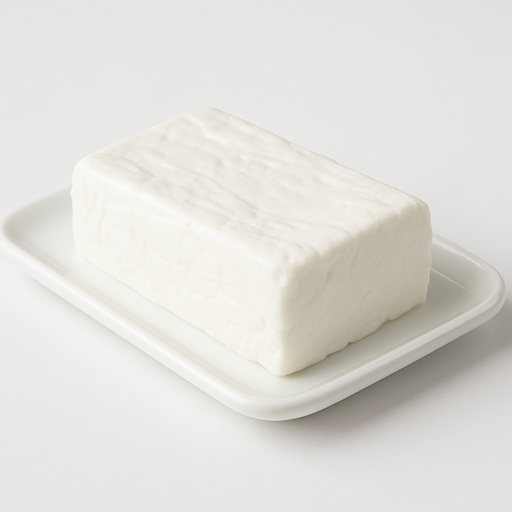
Products mentioned in this article
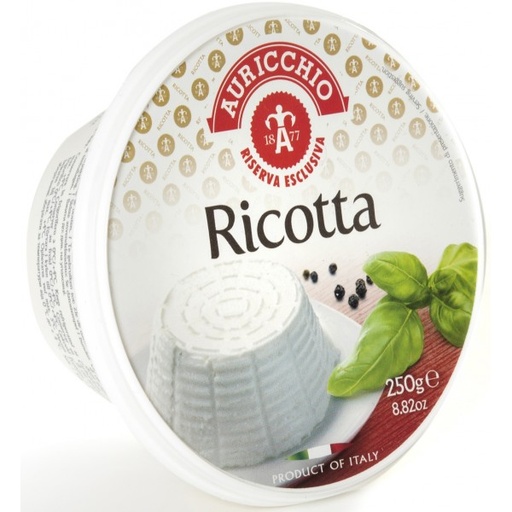
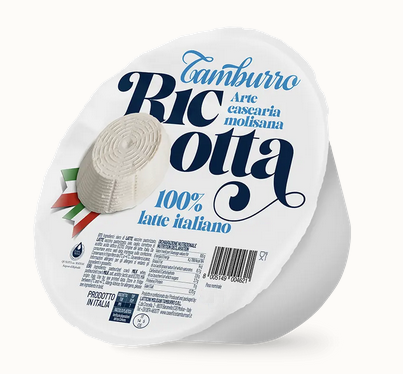
- Fresh cow ricotta — The light, grainy whey product this article describes, around 8-13% fat.
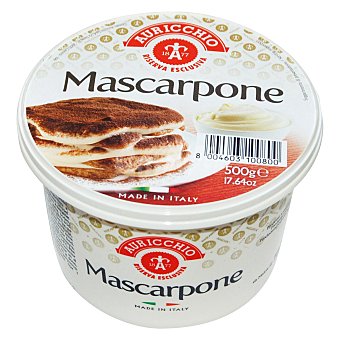
- Mascarpone 500 g — 40-47% fat, the structural engine tiramisù cannot do without.
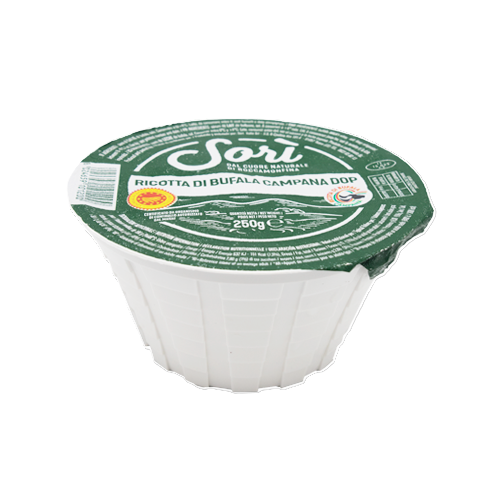
- Buffalo milk ricotta — Richer than cow ricotta, for fillings that need extra body and flavour.
- Sweetened lactose-free ricotta cream — Pre-sweetened, ready to fill cannoli and baked cakes straight from the tub.