Cannoli Siciliani: The Secret Behind Sicily’s Most Iconic Dessert
Close your eyes. The crunch of a golden shell giving way to velvety sheep’s milk ricotta. The subtle aroma of Marsala, the brightness of candied orange, the earthy richness of Bronte pistachios. This is not just a dessert — this is Sicily on a plate. For centuries, the cannolo siciliano has embodied the island’s unmatched pastry-making mastery. And now, you can bring that magic to your guests.
Offering authentic cannoli siciliani means giving your guests a gastronomic experience they will remember — and come back for. LAPA, your trusted supplier with over 2,000 Italian products and delivery in 24–48 hours throughout Switzerland, provides everything you need: sheep’s milk ricotta, premium pistachios and candied orange peel. Call now: +41 76 361 70 21.
A Thousand-Year Legacy That Still Captivates Guests Today
The Arab Legacy That Transformed Pastry-Making Forever
The story of cannoli begins in 9th-century Sicily, when Saracen rulers brought cane sugar, candied fruits and almonds to the island — ingredients that would transform pastry-making forever. Legend has it that the first cannoli were created in the harems of Caltanissetta, where the sultan’s concubines crafted sweets to captivate their lord. A dessert born to seduce — and after a thousand years, it still does.
Sicilian monasteries perfected the recipe over centuries, transforming a carnival treat into a year-round icon. With LAPA, you gain access to the same authentic ingredients used in Sicily’s finest pastry shops — delivered in 24–48 hours anywhere in Switzerland. Over 2,000 Italian products, one call away: +41 76 361 70 21.
The Shell: Why Marsala and Lard Make All the Difference
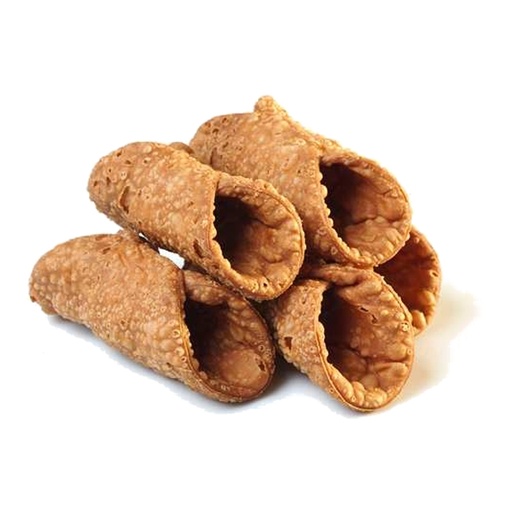
What separates a good cannolo from one that keeps guests coming back? The shell. It must be paper-thin, covered in golden bubbles, and shatter at the first bite. The secret lies in two irreplaceable ingredients: Marsala wine and lard. Without them, it simply is not a true Sicilian cannolo.
Shell Ingredients and Step-by-Step Preparation
- 300 g type 00 flour, 30 g sugar, 30 g lard, 1 egg, 50 ml dry Marsala wine, 30 ml white wine vinegar, 5 g cocoa powder, a pinch each of salt and cinnamon
- Sift flour with sugar, cocoa, salt and cinnamon, then work in lard pieces until a sandy mixture forms
- Add egg, Marsala and vinegar, kneading until a smooth, compact dough forms
- Wrap in cling film and rest in the refrigerator for at least 2 hours
- Roll the dough to 1–2 mm thick and cut discs of 10–12 cm in diameter
- Wrap each disc around metal cannoli tubes, sealing the edge with egg white
- Fry in lard or oil at 180°C for 2–3 minutes until golden
- Drain on a wire rack and carefully slide off the tubes while still warm
Marsala wine gives the shell its unmistakable aroma and creates those characteristic surface bubbles. Lard delivers superior crumbliness and crispness that butter simply cannot match. LAPA supplies quality Sicilian Marsala and every traditional ingredient for perfect shells — delivered direct to your kitchen.
The Ricotta Filling: Where the Magic Happens
The filling is the soul of the cannolo. Full stop. Sheep’s milk ricotta is the only cheese accepted in authentic tradition — its slightly savoury character balances the sweetness in a way cow’s milk ricotta simply cannot. Preparing it demands care and first-rate ingredients.
Filling Ingredients and Step-by-Step Preparation
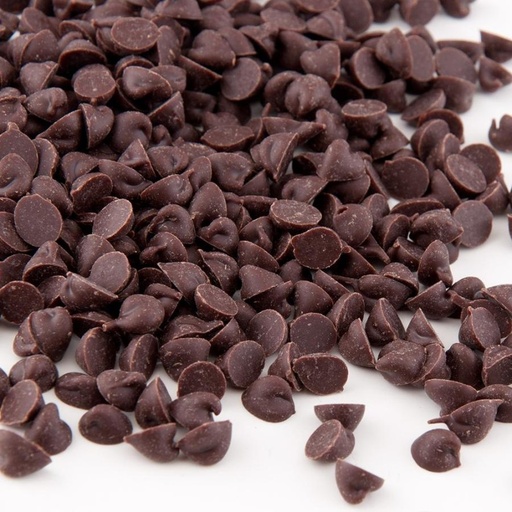
- 500 g very fresh sheep’s milk ricotta, 200 g icing sugar, 100 g dark chocolate chips, 50 g candied orange peel, 50 g chopped pistachios
- Drain the sheep’s milk ricotta in a fine-mesh sieve for at least 12 hours in the refrigerator
- Pass the drained ricotta through a fine sieve for a perfectly smooth and creamy texture
- Add the icing sugar gradually, mixing gently with a spatula from bottom to top
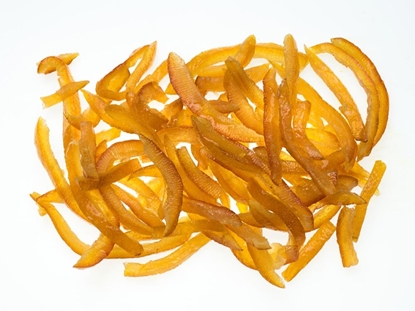
- Fold in the dark chocolate chips and the candied orange peel cut into small cubes
- Allow the filling to rest in the refrigerator for at least 1 hour
- Fill the cannoli only at the moment of serving, using a piping bag with a wide plain nozzle
- Decorate the ends with chopped pistachios, candied orange peel or chocolate shavings
The sheep’s milk ricotta in the LAPA catalogue comes from selected Sicilian producers — guaranteeing the authentic flavour of a true cannolo. Bronte pistachios, candied orange peel and dark chocolate are also available, delivered in 24–48 hours anywhere in Switzerland. Order today, serve tomorrow.
Palermo vs Catania: Two Schools, One Passion
In Sicily, two great schools of thought exist when it comes to cannoli, and each city proudly defends its own version. Knowing both is your edge on the dessert menu.
The Palermo Style: The Pistachio Cannolo
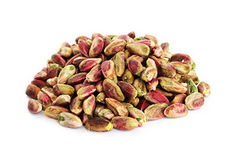
In Palermo, the traditional cannolo is generous in size, decorated with chopped pistachios on the ends. The ricotta is enriched with cucuzzata — locally candied pumpkin rind. The pistachios used are from Bronte, considered the finest in the world for their aromatic intensity and brilliant green colour. LAPA supplies premium Bronte pistachios for Palermo-style cannoli, delivered direct to your kitchen.
The Catania Style: The Chocolate Chip Cannolo
In Catania, the cannolo features dark chocolate chips on the ends instead of pistachios. The dimensions are more compact and the shell slightly darker due to extra cocoa in the dough. The chocolate is typically from Modica — cold-worked using a technique inherited from the Aztecs. Both styles are authentic: LAPA recommends offering both versions from a catalogue of over 2,000 Italian products.
Professional Frying: The Secrets to a Perfect Shell
Frying is the moment of truth. You can have the finest ingredients in the world, but if the frying goes wrong, the cannolo is lost. The shell’s crispness and shelf life depend entirely on this single step.
Temperature, Technique and the Mistakes That Ruin Everything
- Ideal temperature of lard or oil: 170–180°C — always use a kitchen thermometer for precise control
- Do not immerse more than 2–3 cannoli at a time to avoid lowering the oil temperature
- Turn the cannoli during frying for even browning, approximately 2–3 minutes total
- Drain on a wire rack — never on paper towels, which soften the shell
- Lard is the traditional frying fat and guarantees a superior result compared to seed oil
- Oil too cold: the shell absorbs fat and becomes soft
- Oil too hot: the shell burns on the surface while remaining raw inside
- Dough too thick: the cannolo becomes hard instead of crumbly
- Removing tubes too late: the shell sticks and breaks
The key is maintaining a constant temperature throughout the entire frying process. LAPA supplies high-quality lard and every ingredient for professional frying — because the details make the difference between a dessert and an experience.
Frequently Asked Questions about Cannoli Siciliani
Why is sheep’s milk ricotta used instead of cow’s milk ricotta?
Sheep’s milk ricotta has a more intense flavour and a drier consistency than cow’s milk ricotta. Sicilian tradition mandates the exclusive use of sheep’s milk ricotta — it gives the filling that slightly savoury note that perfectly balances the sweetness. LAPA imports authentic Sicilian sheep’s milk ricotta for professionals in Switzerland — because your guests can taste the difference.
Can cannoli be prepared in advance?
The empty shells can be prepared 3–4 days in advance and stored in an airtight container at room temperature. The ricotta filling keeps for 2 days in the refrigerator. Golden rule: cannoli must be filled exclusively at the moment of serving — otherwise the crispness is lost.
What is the difference between Sicilian cannoli and American cannoli?
American cannoli typically use cow’s milk ricotta mixed with mascarpone, making them much sweeter and heavier. The American shell is often thicker and less crispy. Original Sicilian cannoli are lighter, made with sheep’s milk ricotta and an ultra-thin shell flavoured with Marsala. The difference? You taste it from the very first bite.
What type of oil is best for frying cannoli?
Traditionally, lard is used for superior crispness and flavour. As an alternative, peanut oil works well thanks to its high smoke point. Our recommendation: quality lard for a result true to Sicilian tradition — available in the LAPA catalogue.
Can cannoli be frozen?
The empty shells can be frozen for up to 2 months, individually wrapped in cling film. The ricotta filling does not freeze well — it tends to release water during thawing, compromising the creamy consistency.
How many calories does a cannolo siciliano contain?
A medium-sized cannolo siciliano contains approximately 250–350 calories, depending on size and filling quantity. It is not a light dessert — but with quality artisanal ingredients, every calorie becomes an experience of authentic flavour your guests will remember.
Quality Ingredients for Professionals Who Refuse to Compromise
The difference between a good cannolo and an extraordinary one lies in ingredient quality. For hospitality and pastry professionals in Switzerland, LAPA is the ideal partner for accessing the finest Italian and Sicilian raw materials. No middlemen. No compromises.
With LAPA, you gain access to a catalogue of over 2,000 authentic Italian products — everything needed for professional cannoli siciliani: fresh sheep’s milk ricotta, quality pistachios, candied orange peel, Marsala wine, dark chocolate and every ingredient of the tradition. Delivery in 24–48 hours throughout Switzerland. Your next perfect cannolo is just one order away.
LAPA works exclusively with selected Italian producers, guaranteeing authenticity and traceability on every product. Whether you run a restaurant, pastry shop, hotel or catering service — LAPA is your supplier of quality Italian ingredients in Switzerland. Order at lapa.ch or call +41 76 361 70 21.