Stellen Sie sich vor: Samstagabend, volles Haus, und auf Ihrer Dessertkarte fehlt ausgerechnet jenes Gericht, über das die Gäste die ganze Woche sprechen werden. Das Dessert, das keiner Ihrer Mitbewerber anbietet. Der Gang, der Erstbesucher zu Stammgästen macht.
Dieses Dessert gibt es — und es ist über tausend Jahre alt. Es heisst Seada und entstand aus den verwitterten Händen sardischer Hirten in den Hochebenen der Barbagia. Wir von LAPA haben es aus erster Hand erlebt: Tag für Tag bringen wir das authentische Italien in professionelle Schweizer Küchen, und wir wissen, was geschieht, wenn ein Koch zum ersten Mal Seadas auf die Karte setzt. Die Gäste sind begeistert.
Mit über 2'000 authentischen italienischen Produkten und Lieferung innerhalb von 24–48 Stunden in der ganzen Schweiz führen wir Sie Schritt für Schritt zur Zubereitung dieses Meisterwerks. Stellen Sie sich die Freude Ihrer Gäste vor, wenn sie die goldene Seada anschneiden und zusehen, wie sich der Käse in langen, glänzenden Fäden zieht, übergossen mit bitterem Honig… Dieser Moment ist alles wert.
Die Ursprünge: Als Hirten das perfekte Dessert erfanden
Seadas entstanden in der Barbagia, dem gebirgigen Herzen Sardiniens, wo die Schafzucht jahrhundertelang das Rückgrat der Gesellschaft bildete. Sardische Hirten verbrachten Monate am Stück mit ihren Herden auf den Hochebenen und verliessen sich auf nahrhafte, einfach zuzubereitende Speisen aus dem, was sie zur Hand hatten: Griess, frischer Käse von ihren Schafen und Honig, gesammelt in der mediterranen Macchia.
Was sie schufen, ging weit über Überlebenskost hinaus. Es war ein Meisterwerk der Ausgewogenheit — süss und herzhaft, knusprig und fädig, rustikal und raffiniert zugleich. Ein Geheimnis, über Generationen vom Vater an den Sohn weitergegeben, das Sie nun auf Ihren Schweizer Tisch bringen können.
Die Originalzutaten: Schlicht, aber ohne Kompromisse
Der Unterschied zwischen einer authentischen Seada und einer Imitation liegt einzig in der Qualität der Rohstoffe. Wenige Zutaten, aber aussergewöhnliche. Hier die vollständige Liste für etwa 8–10 Seadas:
Griessteig und Füllung
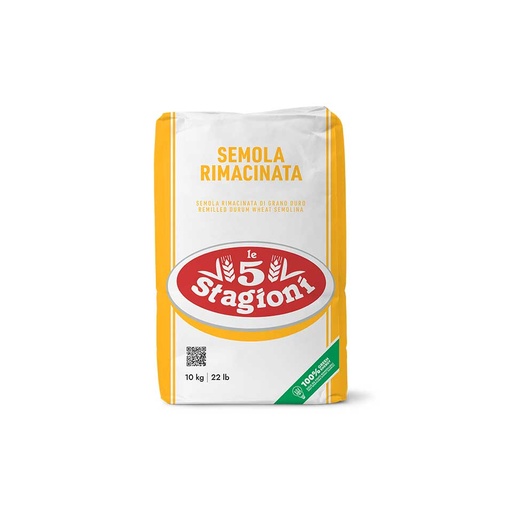
- 500 g doppelt gemahlener Hartweizengriess
- 80 g Schmalz (oder Butter als Alternative)
- 1 Prise Salz
- Warmes Wasser nach Bedarf (etwa 150–180 ml)
- Abgeriebene Schale von 2 Zitronen
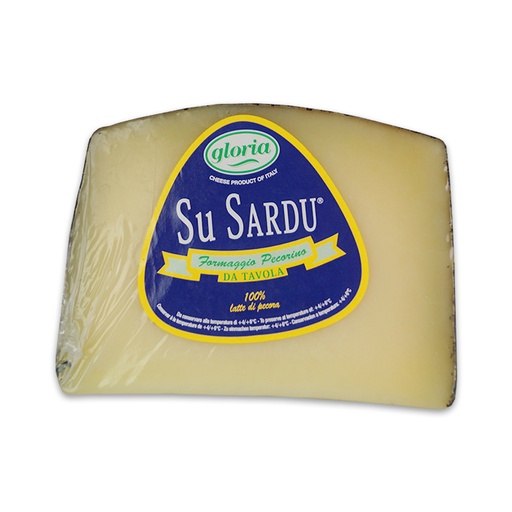
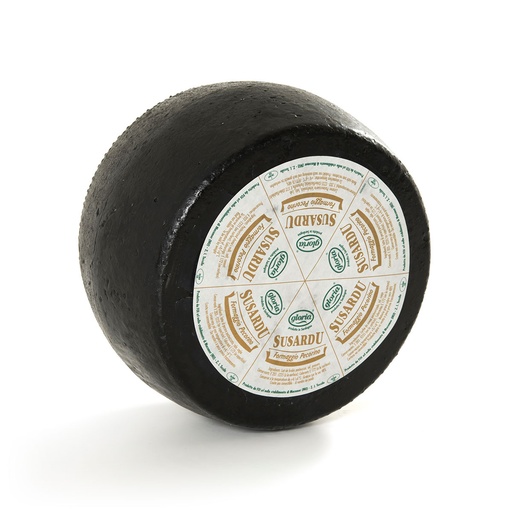
- 400 g frischer sardischer Pecorino (säuerlich, höchstens 2–3 Tage gereift)
- Geriebene Schale von 1 Orange (optional, nach Tradition)
- Sonnenblumenöl oder Schmalz zum Frittieren
- Bitterer Erdbeerbaumhonig (oder Wildblütenhonig als Alternative)
Bei LAPA finden Sie den feinsten ausgewählten frischen sardischen Pecorino, zertifizierten italienischen Hartweizengriess und handwerklichen Honig — alles in unserem Sortiment von über 2'000 italienischen Produkten. Die Lieferung innerhalb von 24–48 Stunden in der ganzen Schweiz garantiert die Frische der Zutaten, besonders entscheidend beim frischen Pecorino, der innerhalb weniger Tage nach der Produktion verarbeitet werden muss.
Die Käsezubereitung: Das Geheimnis, das nur wenige kennen
Das Herz der Seada ist der frische Pecorino, und seine Zubereitung ist der Schritt, der den Profi vom Amateur trennt. Es handelt sich nicht um gereiften Pecorino: Sie brauchen einen sehr jungen Käse, höchstens 2–3 Tage alt, mit säuerlicher Konsistenz und der aussergewöhnlichen Fähigkeit, sich beim Erhitzen in lange Fäden zu ziehen.
So bereiten Sie den Käse für die Füllung vor
- Schneiden Sie den frischen Pecorino in dünne Scheiben oder reiben Sie ihn grob.
- Schmelzen Sie ihn im Wasserbad oder in einem kleinen Topf bei sehr niedriger Hitze unter ständigem Rühren.
- Sobald der Käse zu einer glatten, fädigen Masse wird, geben Sie die geriebene Zitronenschale hinzu.
- Giessen Sie den geschmolzenen Käse auf eine leicht gefettete Fläche und streichen Sie ihn etwa 1 cm dick aus.
- Lassen Sie ihn abkühlen und fest werden, dann stechen Sie Scheiben von etwa 8–10 cm Durchmesser aus.
Der Käse muss ausreichend säuerlich sein, um sich beim Frittieren zu ziehen: Das ist das Geheimnis, das sardische Hirten seit Generationen kennen. Ein zu stark gereifter Pecorino zieht sich nicht und lässt die Seadas trocken und enttäuschend werden. Bei LAPA finden Sie ausgewählten frischen Pecorino mit genau der richtigen Säure für ein perfektes Ergebnis.
Schritt-für-Schritt-Zubereitung der Seadas Sarde
Die Zubereitung der Seadas verlangt Sorgfalt und Respekt vor der Tradition. Jeder Schritt zählt, um jenen perfekten Kontrast aus knusprigem Teig, fädigem Käse und süssem Honig zu erreichen.
Kneten und Formen
- Häufen Sie den Griess als Mulde auf eine Arbeitsfläche und geben Sie in die Mitte das weiche Schweineschmalz, das Salz und die Zitronenschale.
- Beginnen Sie zu kneten und geben Sie nach und nach warmes Wasser hinzu; bearbeiten Sie den Teig mindestens 10–15 Minuten, bis er glatt, elastisch und nicht klebrig ist.
- In Frischhaltefolie wickeln und mindestens 30 Minuten bei Raumtemperatur ruhen lassen.
- Rollen Sie den Griessteig mit einem Wallholz sehr dünn aus (etwa 2–3 mm) und stechen Sie Teigscheiben von etwa 12 cm Durchmesser aus.
- Legen Sie eine vorbereitete Käsescheibe in die Mitte einer Teigscheibe.
- Decken Sie sie mit einer zweiten Teigscheibe ab und versiegeln Sie die Ränder, indem Sie sie mit den Fingern fest andrücken und alle Luft herausstreichen.
- Schneiden Sie den Rand mit einem Teigrädchen ab, um zu verzieren und wirksamer zu versiegeln.
Frittieren und Honigguss
- Erhitzen Sie reichlich Öl oder Schweineschmalz in einer tiefen Pfanne auf 170–175 Grad.
- Frittieren Sie die Seadas ein bis zwei auf einmal, ohne die Pfanne zu überfüllen, etwa 2–3 Minuten pro Seite, bis sie gleichmässig goldbraun sind.
- Der Käse im Inneren muss schmelzen und sich ziehen, ohne aus dem Teig auszutreten.
- Lassen Sie sie einige Sekunden auf Küchenpapier abtropfen.
- Servieren Sie die Seadas brühheiss, direkt aus der Friteuse, und übergiessen Sie jede grosszügig mit warmem Honig.
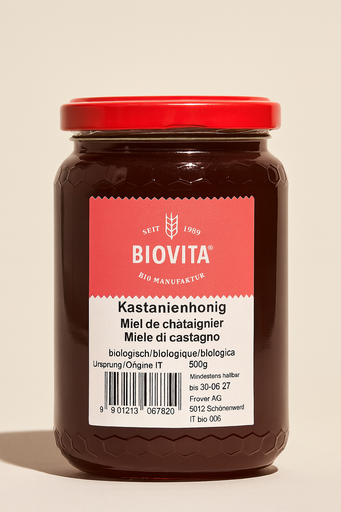
Bitterer Erdbeerbaumhonig ist die traditionelle und edelste Wahl, doch ein guter Wildblüten- oder Kastanienhonig eignet sich gut als Alternative.
Jede Zutat für perfekt frittierte Seadas erhalten Sie bei LAPA, Ihrem Lieferanten italienischer Zutaten in der Schweiz mit schneller Lieferung innerhalb von 24–48 Stunden.
Der Bittere Erdbeerbaumhonig und der Süss-Salzige Kontrast
Es ist die Wahl des Honigs, die Seadas vom einfachen Gebäck zum vollständigen gastronomischen Erlebnis verwandelt. Bitterer Erdbeerbaumhonig, heimisch in der sardischen mediterranen Macchia, hat einen intensiven, leicht bitteren Geschmack, der die Süsse des Frittierens und die Salzigkeit des Pecorino perfekt ausbalanciert.
Der süss-herzhafte Kontrast ist das Markenzeichen der Seadas Sarde und der Grund für ihre einzigartige Stellung in der italienischen Patisserie. Die knusprige Griesshülle, der fädige und leicht säuerliche Käse, der bittere Honig: ein Gleichgewicht der Aromen, das kein anderes italienisches Dessert nachbilden kann. Bei LAPA finden Sie hochwertigen handwerklichen sardischen Honig, perfekt, um Ihre Seadas zu vollenden. Im LAPA-Sortiment von über 2'000 italienischen Produkten finden Sie auch den authentischen Erdbeerbaumhonig, geliefert innerhalb von 24–48 Stunden in der ganzen Schweiz.
Professionelle Tipps und Regionale Varianten
Sardische Patissiers geben die Geheimnisse perfekter Seadas seit Generationen weiter. Hier die wichtigsten Tipps für ein professionelles Ergebnis.
Häufige Fehler, die Sie vermeiden sollten
- Zu stark gereiften Pecorino verwenden: Der Käse zieht keine Fäden und die Seadas werden trocken.
- Den Teig zu dick ausrollen: Seadas müssen eine dünne, knusprige Hülle haben.
- Die Ränder nicht richtig versiegeln: Der Käse tritt beim Frittieren aus und ruiniert das Ergebnis.
- Bei falscher Temperatur frittieren: Zu niedrig und die Seadas saugen Öl auf, zu hoch und sie verbrennen aussen, während sie innen roh bleiben.
- Kalt servieren: Seadas müssen brühheiss genossen werden, solange sich der Käse noch zieht.
Traditionelle Varianten
- In einigen Gegenden der Barbagia wird dem Teig sardischer Safran beigegeben, was ihm eine schöne goldene Farbe verleiht.
- In der Region Gallura wird eine gemischte Füllung aus Ricotta und Frischkäse verwendet.
- Manche Familien geben einen Schuss sardischen Grappa (Filu ’e ferru) in den geschmolzenen Käse.
- Die moderne Version setzt mitunter auf dunkle Schokolade statt Honig, auch wenn Puristen dies ablehnen.
Für Gastronomieprofis in der Schweiz liefert LAPA jede für traditionelle Seadas und ihre Varianten benötigte Zutat. Italienischer Hartweizengriess, frischer Pecorino, bitterer Honig und alle weiteren Zutaten sind im LAPA-Sortiment mit schneller Lieferung innerhalb von 24–48 Stunden erhältlich.
Häufig Gestellte Fragen zu Seadas Sarde
Was ist der Unterschied zwischen Seadas und Sebadas?
Seadas und Sebadas sind genau dasselbe Dessert. Der Unterschied ist rein sprachlich und hängt von der Region Sardiniens ab: Im Raum Nuoro und in der Barbagia bevorzugt man Seadas, während andere Gegenden Sebadas verwenden. Beide Formen leiten sich wahrscheinlich vom lateinischen sebum ab und bezeichnen das traditionelle, mit frischem Pecorino gefüllte und mit Honig übergossene Gebäck.
Welcher Käse wird für Original-Seadas verwendet?
Authentische Seadas verlangen ausschliesslich frischen sardischen Pecorino, höchstens 2–3 Tage gereift. Dieser Käse hat eine säuerliche Konsistenz und die Fähigkeit, sich beim Erhitzen zu ziehen. Er lässt sich nicht durch gereiften Pecorino, Mozzarella oder einen anderen Käse ersetzen — das Ergebnis wäre völlig anders. LAPA bietet ausgewählten frischen Pecorino, ideal für Seadas.
Warum ist bitterer Honig besser für Seadas?
Bitterer Erdbeerbaumhonig erzeugt einen süss-bitter-salzigen Kontrast, der die Signatur der Seadas Sarde ist. Sein leicht bitterer Geschmack balanciert die Süsse des Frittierens und die Salzigkeit des Pecorino aus und schafft ein perfektes Gleichgewicht. Wildblütenhonig funktioniert, doch Erdbeerbaumhonig ist die Wahl der authentischsten sardischen Tradition, erhältlich bei LAPA.
Kann man Seadas im Voraus zubereiten?
Seadas sollten frittiert und sofort serviert werden. Sie können jedoch rohe Seadas zubereiten und sie vor dem Frittieren einige Stunden abgedeckt im Kühlschrank aufbewahren. Einfrieren wird nicht empfohlen, da der frische Käse nach dem Auftauen seine Fähigkeit verliert, sich richtig zu ziehen.
Wie erreicht man fädigen Käse in Seadas?
Das Geheimnis des fädigen Käses liegt in der Verwendung von sehr frischem Pecorino mit dem richtigen Säuregrad. Der Käse muss im Wasserbad geschmolzen werden, bevor er als Füllung dient, und die Öltemperatur beim Frittieren muss konstant bei 170–175 Grad bleiben, damit der Käse gleichmässig schmilzt, ohne den äusseren Teig zu verbrennen.
Sind Seadas ein Dessert oder ein herzhaftes Gericht?
Seadas entstanden historisch als Hauptgericht in der sardischen Hirtentradition und wurden von den Hirten der Barbagia als kräftige Nahrung gegessen. Mit der Zeit entwickelten sie sich zum Dessert, doch ihr süss-herzhafter Charakter macht sie einzigartig. Heute gelten sie als traditionelles sardisches Dessert, das mit Honig serviert wird, und doch ist es gerade ihre hybride Natur, die ihren Reiz ausmacht.
Entdecken Sie jede Zutat für die traditionelle sardische Patisserie im LAPA-Sortiment. Frischer Pecorino, Hartweizengriess, bitterer Erdbeerbaumhonig und über 2'000 authentische italienische Produkte mit Lieferung innerhalb von 24–48 Stunden in der ganzen Schweiz.
Jetzt bestellen unter lapa.ch oder rufen Sie uns an: +41 76 361 70 21