


Last updated: 10 June 2026
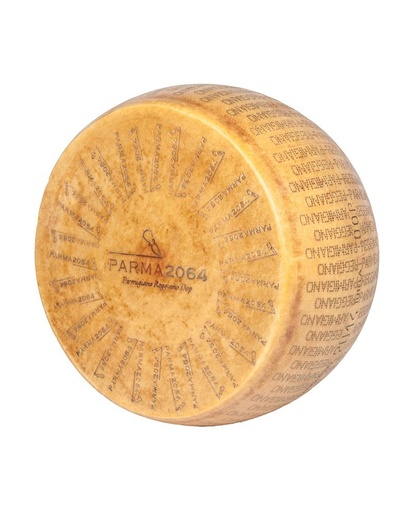
A whole wheel of Parmigiano Reggiano weighs around 38–40 kg and is made from roughly 550 litres of milk. For a restaurant it means the lowest price per kilo, practically zero waste when managed well, and a piece of theatre in the dining room that no portioned pack can match.
How much does a Parmesan wheel weigh?
The Consorzio's specifications set the frame: a wheel of Parmigiano Reggiano DOP measures 35–45 cm in diameter, stands 20–26 cm tall and must weigh at least 30 kg; in practice most wheels reach 38–40 kg. The minimum ageing is 12 months, with 24 and 36 months as the classic stages for the restaurant trade. Each wheel concentrates about 550 litres of milk — which is exactly why the price per kilo drops the closer you get to the whole format.
Is a whole wheel worth it for a restaurant?
Run the numbers. From a 40 kg wheel you get roughly 34–36 kg of usable cheese, since the rind accounts for about 10–15% of the weight — and even that is not waste: cut into pieces, it enriches broths, soups and risotto. At 20 g of shaved or grated cheese per dish, one wheel covers around 1,700–1,800 servings. A restaurant plating 60 cheese-touched dishes a day works through a wheel in about a month, well within its shelf life when stored properly at 4–8 °C.
The honest counterpoint: if your kitchen uses less than 8–10 kg of Parmesan a month, a whole wheel is the wrong format. Once opened, the cut surface needs care — vacuum-sealed portions or a half wheel will serve you better. The whole wheel pays off for pizzerias, Italian restaurants and hotel kitchens with steady volume, or for anyone using the emptied wheel as a serving piece.
Whole wheel, portions or grated: which format pays?
| Format | Relative price/kg | Shelf life | Ideal use |
|---|---|---|---|
| Whole wheel (38–40 kg) | Lowest | Months if uncut, at 4–8 °C | High volume, show cutting, pasta in the wheel |
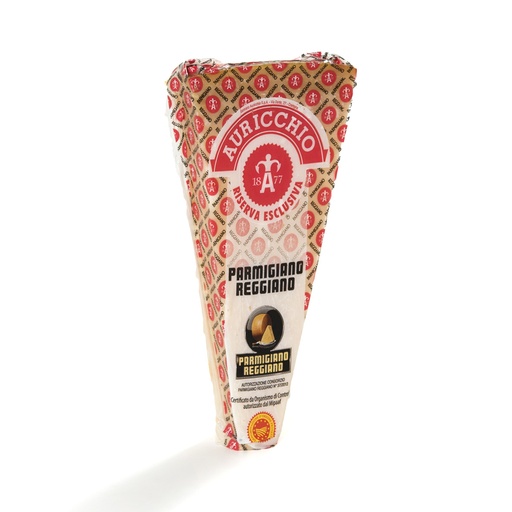
| Vacuum portions (0.2–2 kg) | Medium | Weeks per sealed pack | Medium volume, easy stock control |
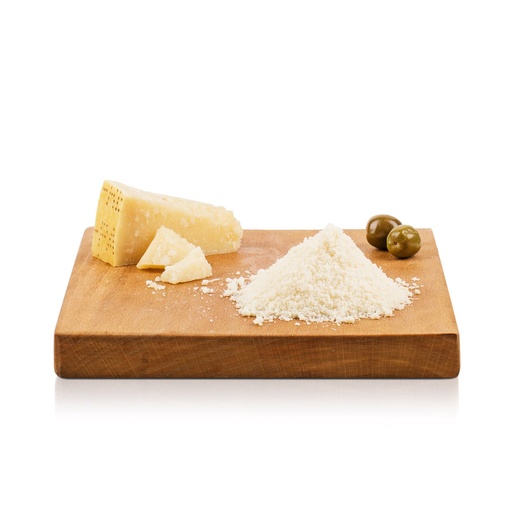
| Freshly grated (1 kg) | Highest | Days once opened | Fast service, consistent dosing |
How do you open a Parmesan wheel?
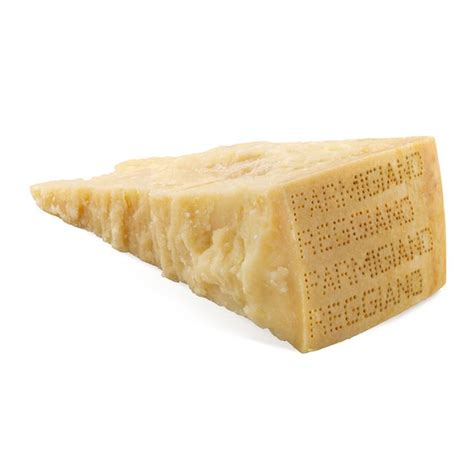
Parmesan is not sliced; it is split. The traditional kit is the set of almond-shaped knives ("coltelli a mandorla"): one hooked blade to score the rind, two or more almond blades to drive in along the line. Score a line across the diameter and down both sides, plant the knives and lever until the wheel cracks open along its natural grain. Done properly, the two halves show the typical grainy, crystalline structure — never a smooth cut surface. Plan 15–20 minutes for a clean opening, and film it: cracking a wheel is some of the cheapest, most authentic marketing a restaurant can produce.
Pasta in the Parmesan wheel: show or substance?
Both, if you do it right. The emptied half wheel becomes a serving vessel: hot pasta or risotto is tossed in the hollow, sometimes flambéed, and the residual heat melts a thin layer of cheese that binds the sauce. Substance: the dish genuinely gains flavour, because the cheese melts directly into the starch. Show: the table-side preparation sells itself, and dishes finished in the wheel routinely command a premium of several francs over the same recipe plated in the kitchen. One half wheel withstands weeks of service if it is scraped clean, covered and refrigerated between uses.
Frequently asked questions
How much does a whole Parmesan wheel cost?
Wholesale prices in Switzerland depend on ageing and the production year. As a rule, the whole wheel is the cheapest price per kilo of any Parmesan format — typically 10–20% below vacuum portions of the same age. Ask for a current quote, as the market moves with each season.
How should I store a whole wheel?
Uncut, a wheel keeps for months in a cold room or cool cellar at 4–8 °C. Once opened, wrap the cut surfaces in cheese paper or vacuum-seal the pieces and keep them refrigerated; scrape the exposed face before each service.
Can you use the rind?
Yes — the rind is simply hardened cheese, fully edible. Simmered in broths, minestrone or risotto it adds depth, and since it makes up about 10–15% of the wheel's weight, using it recovers real money.
Grana Padano or Parmigiano Reggiano as a wheel?
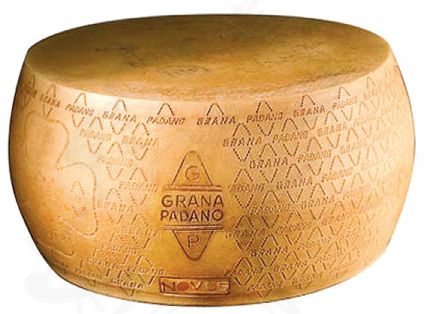
Both come as wheels of around 38–40 kg. Grana Padano costs less and tastes milder; Parmigiano Reggiano follows stricter rules — no silage feed, minimum 12 months of ageing — and delivers a more complex flavour. Many kitchens run Grana for cooking and Reggiano for finishing.
Does LAPA deliver whole wheels across Switzerland?
Yes. LAPA delivers whole wheels of Parmigiano Reggiano and Grana Padano refrigerated throughout Switzerland, alongside vacuum portions and freshly grated formats, with no minimum order.
Put the wheel to work in your restaurant
Compare formats and current prices in the LAPA shop or call +41 76 361 70 21 for a quote on a whole wheel. Refrigerated delivery throughout Switzerland — from a single wheel to regular supply, including portions and freshly grated.