Last updated: 2026-06-10
Provolone is an Italian pasta filata cheese made from cow's milk, produced in two versions: dolce, coagulated with calf rennet and aged two to three months, mild and buttery; and piccante, made with kid goat rennet and aged at least four months, sharp and assertive. That single choice changes flavour, melting behaviour and the dishes it belongs in.
What is the difference between provolone dolce and piccante?
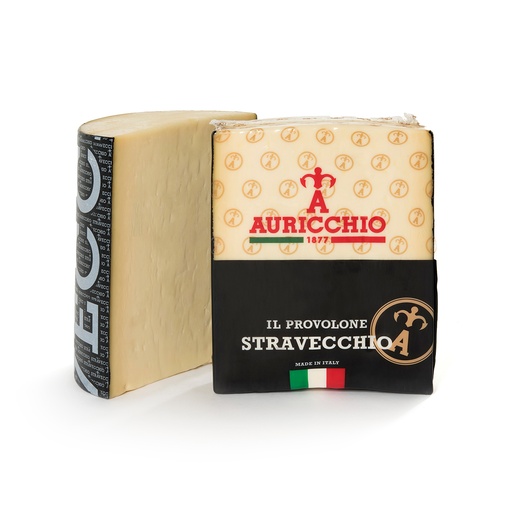
Everything starts with the rennet. Provolone dolce is coagulated with calf rennet and aged for about two to three months: the paste stays elastic, ivory-coloured, with a milky, buttery flavour. Provolone piccante uses kid goat rennet, whose natural lipase breaks down the fat during a maturation of at least four months — and beyond a year for stravecchio — creating that sharp, almost spicy bite and a firmer, flakier paste. Italy protects two PDO provolones: Provolone Valpadana, made in both versions, and Provolone del Monaco from Campania.
| Characteristic | Provolone dolce | Provolone piccante |
|---|---|---|
| Rennet | Calf | Kid goat |
| Ageing | 2–3 months | 4 months to over a year |
| Taste | Mild, milky, buttery | Sharp, savoury, spicy |
| Ideal uses | Toast, panini, gratins, white pizza | Grating, pasta al forno, cheese boards |
Provolone or provola — what is the difference?
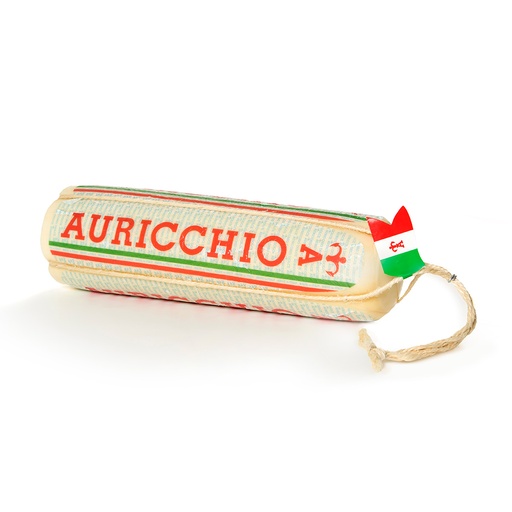
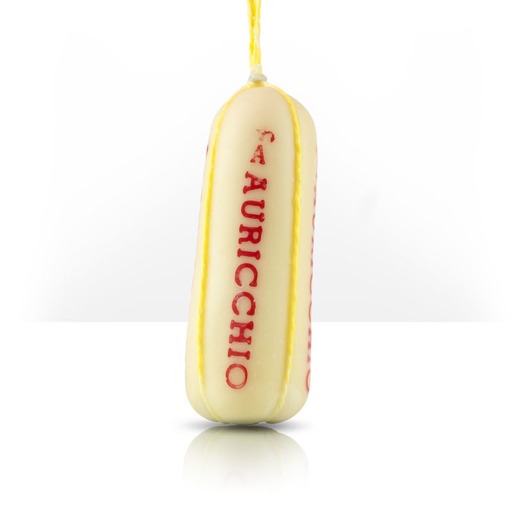
Same pasta filata family, different destiny. Provola is a small southern Italian cheese of roughly 500 g, eaten fresh or lightly smoked after a short ageing; provolone is its grown-up brother: larger forms — from 1 kg "salamini" to giants of several dozen kilos — bound with ropes and matured for months. If you are weighing up scamorza, provola and caciocavallo, we compared them in detail in our scamorza guide.
How does provolone melt best?
Pasta filata cheeses owe their stretch to the spun curd: heated, provolone melts into long, glossy strands instead of separating into oil. Dolce melts evenly and creamy — ideal for gratins, toast and burgers. Piccante, drier and longer aged, keeps more structure and concentrates flavour. For provolone alla piastra — the Argentine "provoleta" born among Italian emigrants — cut slices 1.5–2 cm thick, sear them on a very hot cast-iron plate or pan until a golden crust forms and the centre turns molten, then finish with oregano and a few drops of olive oil. Serve immediately: it waits for no one.
Which provolone for which dish?
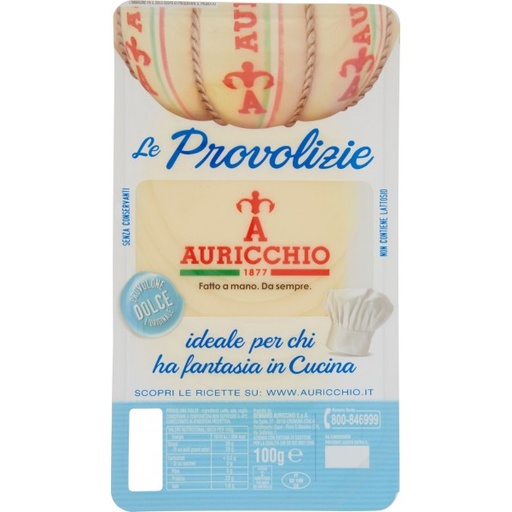
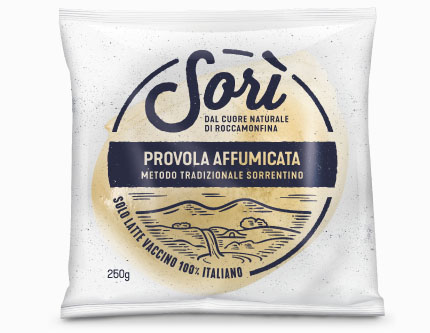
On a professional menu, dolce is the workhorse: it slices cleanly on the machine for club sandwiches, gourmet panini and cheeseburgers, and it gratinates without turning bitter. Piccante is the character actor: grated over pasta al forno, shaved onto carpaccio, cubed on aperitivo boards with honey or mostarda. For the kitchen line, the 6 kg "salame" format gives uniform slices with minimal trim; 1 kg pieces and quarters of about 5 kg suit smaller volumes; pre-cut 100 g slices speed up sandwich service. Smoked provola, finally, is the soul of pasta alla sorrentina and adds depth to any baked dish.
Frequently asked questions
Is dolce or piccante better for gratinating?
Dolce melts creamier and more evenly. For extra character, mix in a handful of grated piccante: you get the melt of one and the punch of the other.
Does aged provolone contain lactose?
Long-aged cheeses contain hardly any lactose, because it is broken down during maturation. A piccante stravecchio aged over a year is naturally very low in lactose.
Where does provolone come from?
It was born in southern Italy, but large-scale production moved to the Po Valley in the late 19th century — Gennaro Auricchio founded his dairy in 1877. Today the two PDOs, Valpadana and del Monaco, protect the tradition at both ends of the country.
How should a restaurant store provolone?
Refrigerated, whole or vacuum-sealed once cut, away from strongly scented foods. Bring it to room temperature before serving on boards: cold mutes both aroma and texture.
Where can I buy provolone in Switzerland?
LAPA supplies restaurants and gastronomy across Switzerland with provolone dolce, piccante and smoked provola in professional formats, with refrigerated delivery throughout the country.
Put real provolone on your menu
From mild dolce for panini to stravecchio for connoisseurs: browse LAPA's selection or call +41 76 361 70 21. Refrigerated delivery across Switzerland.