Burrata di Andria PDO
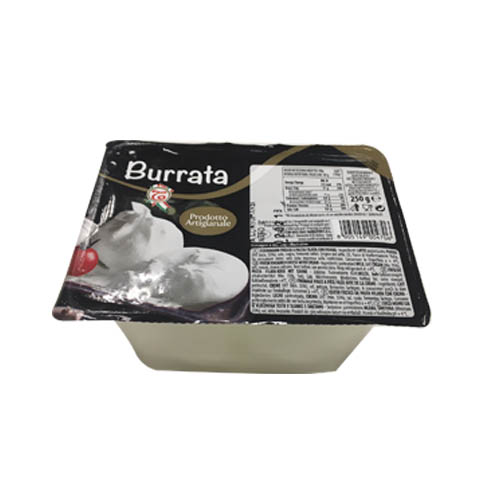
Burrata di Andria PDO: cut into the white sphere and the creamy centre flows slowly onto the plate. Your guests will remember it. This fresh cheese — a delicate pasta filata shell encasing a heart of stracciatella and fresh cream — is the benchmark of Apulian artisan cheesemaking in the finest kitchens across Europe.
This article covers everything you need to know about Burrata di Andria PDO: origin, certification, technical specifications, and practical guidance for integrating it into your menu. LAPA — a Swiss supplier of premium Italian products — walks you through this gastronomic treasure from Apulia.
What is Burrata di Andria PDO? Origin and History
Burrata was created in 1956 in Andria, province of Barletta-Andria-Trani, Apulia. Cheesemaker Lorenzo Bianchino of Piana Padula farm devised a practical solution to repurpose mozzarella production offcuts — and inadvertently sparked a dairy revolution.
The result: a pasta filata shell filled with stracciatella — shredded mozzarella strands in fresh cream — producing a texture contrast found nowhere else in the world. The name "Burrata" derives from the dialect word "burro" (butter), referring to the cream inside.
The PDO (Protected Designation of Origin) certification, awarded in 2016, guarantees production under strict specifications within the delimited area of the province of Barletta-Andria-Trani, using exclusively fresh local cow's milk.
Technical Specifications of Burrata di Andria PDO
To carry the Burrata di Andria PDO designation, the product must meet the following technical parameters:
- Appearance: Spherical or pouch-shaped, with a glossy white surface. Weight: 100 g to 1 kg.
- Shell: Elastic, thin pasta filata (2-3 mm) enclosing the creamy filling.
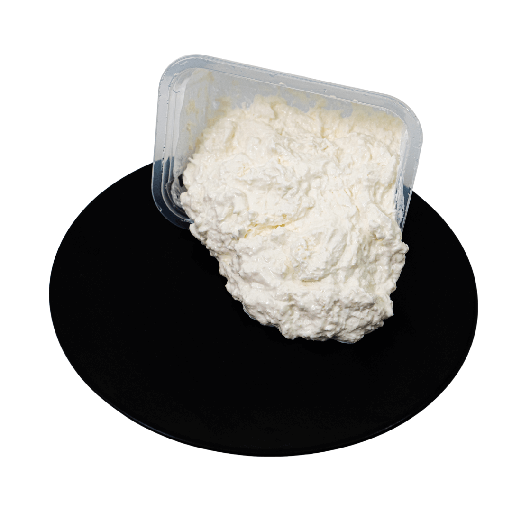
- Filling: Stracciatella made from shredded pasta filata strands mixed with fresh cream — soft, lightly stringy consistency.
- Moisture: 60-65%, delivering the characteristic freshness and creaminess.
- Fat content: Minimum 20% on dry matter (up to 25-30% in richer versions).
- Flavour: Delicate and sweet, with fresh milky notes and a buttery finish. No acidity or bitterness.
- Shelf life: 5-7 days from production if properly stored (2-4°C).
The exceptional quality of Burrata di Andria PDO stems from milk processed within 12 hours of milking and artisanal production methods that preserve all organoleptic properties.
Burrata di Andria PDO vs Standard Burrata: Key Differences
Not all burratas are equal. Here are the key differences between certified Burrata di Andria PDO and generic burrata:
| Feature | Burrata di Andria PDO | Standard Burrata |
|---|---|---|
| Geographic origin | Province of Barletta-Andria-Trani (Apulia) | Produced anywhere in Italy or abroad |
| Milk used | Exclusively fresh local cow's milk (max. 12h) | Cow's milk, sometimes pasteurised or extended-shelf-life |
| Production specifications | Strict PDO specifications with ongoing controls | No mandatory specifications |
| Processing time | Traditional artisanal production within 24h | Variable, often industrial |
| 5-7 days (peak freshness) | 5-7 days (peak freshness) | Up to 10-14 days (preservatives permitted) |
| Internal creaminess | Stracciatella with fresh cream — ultra-creamy | Variable, sometimes less rich |
| Price | Premium (€15-25/kg wholesale) | Standard (€8-15/kg) |
In summary: Burrata di Andria PDO delivers superior guarantees of authenticity, freshness, and quality — fully justifying the premium price point for operations committed to culinary excellence.
Using Burrata di Andria PDO in the Kitchen
Classic Apulian Preparations
Burrata performs best when simplicity takes centre stage. Serve it with:
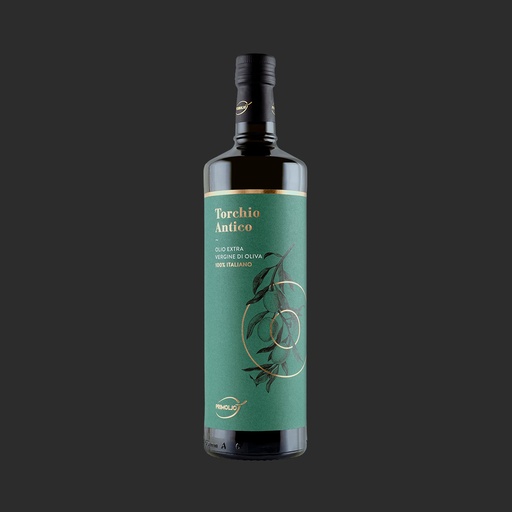
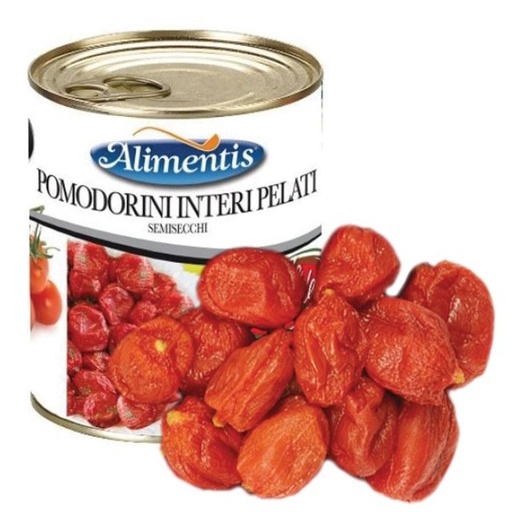
- Fresh cherry tomatoes and basil, finished with Apulian extra virgin olive oil
- Toasted house bread or Apulian friselle
- Prosciutto crudo from Parma or San Daniele for a clean, classic starter
- Grilled vegetables (aubergine, courgette, peppers) for a vegetarian gourmet dish
Creative Pairings for Contemporary Menus
Leading chefs deploy burrata in unexpected combinations:
- Gourmet pizza: added raw after baking on a Margherita base or with confit tomatoes
- Fresh pasta: ravioli or tortelli filled with burrata, served with a light tomato sauce
- Summer salads: with grilled peaches, rocket, and cured ham
- Crostini: with black truffle, porcini mushrooms, or fig compote
- Savoury desserts: burrata with honey, caramelised walnuts, and multigrain bread
Chef's Guide to Serving Burrata Perfectly
To get the most from Burrata di Andria PDO in your operation:
- Serving temperature: 18-20°C (room temperature). Remove from fridge 30-40 minutes before serving.
- Cutting: Open the burrata tableside in front of the guest for a guaranteed wow moment. The creamy filling should flow out visually.
- Portion: 100-125 g per person as a starter, 80-100 g as a component in composed dishes.
- Seasoning: High-quality extra virgin olive oil, flaked salt (Maldon or Fleur de Sel), freshly ground black pepper.
- Presentation: Minimalist white plate to highlight the pearlescent white of the burrata. Add colour with fresh vegetable elements.
Storing Burrata di Andria PDO Correctly
Ideal Temperature and Conditions
Burrata is an extremely fresh and perishable cheese. For optimal storage:
- Temperature: 2-4°C (lower part of refrigerator)
- Storage: Kept immersed in its brine (whey and water) in the original packaging
- Shelf life: Consume within 5-7 days of production for peak freshness
- Never freeze: Freezing permanently destroys the creamy structure and unique texture of burrata
How to Identify Fresh, Quality Burrata
Indicators of excellent freshness:
- Bright white surface with no yellow spots or dark patches
- Sweet, milky aroma with no sour or fermented notes
- Elastic, firm shell — not overly soft or torn
- Clear, transparent brine
- Production date no more than 3-4 days before purchase
Signs of expired or poor-quality burrata: dull or yellowish surface, sour smell, shell that tears easily, cloudy brine.
Burrata di Andria PDO from LAPA: Premium Quality and Service for Switzerland
Why Choose LAPA Burrata
LAPA is the go-to supplier in Switzerland for restaurants, pizzerias, and hotels committed to serving the most authentic, freshest Burrata di Andria PDO:
- Direct supply chain: Partnerships with the finest artisan dairies in Andria, all PDO certified
- Guaranteed freshness: Burrata produced 48-72 hours before delivery
- Cold chain: Constant refrigerated transport at 2-4°C from Apulia to Switzerland
- Fast delivery: 1–3 working days throughout Switzerland (Zurich, Geneva, Basel, Lugano, Bern)
- No minimum order: Order as few as 5-10 units — ideal for smaller operations or à la carte menus
- Multilingual support: Orders and consulting in Italian, German, and French
Available LAPA Formats
LAPA supplies Burrata di Andria PDO in multiple formats to suit every requirement:
- 100 g: Perfect single portion for gourmet starters
- 250 g: Classic format for 2 guests or as a main component
- 500 g: For sharing platters or multi-component dishes
- 1 kg: Professional format for kitchen portioning
Order online through LAPA's digital catalogue — over 3,000 selected Italian products — or contact our team for a tailored quote.
Frequently Asked Questions: Burrata di Andria PDO
What is the difference between burrata and buffalo mozzarella?
Burrata consists of a pasta filata shell (similar to mozzarella) filled with stracciatella and cream, while buffalo mozzarella is a compact pasta filata cheese without filling. Burrata is much creamier and richer, mozzarella has uniform and elastic texture. Burrata is mainly used raw, mozzarella also cooked (pizza).
Can burrata be frozen?
No, absolutely not recommended. Freezing irreversibly alters the creamy structure of the internal stracciatella and makes the shell rubbery. Burrata should be consumed fresh within 5-7 days and stored only in refrigerator at 2-4°C.
How should burrata be opened and served tableside?
Bring burrata to room temperature (20°C). At the table, cut the top of the shell with a sharp knife. Let the creamy stracciatella flow onto the plate, gently opening the burrata. Season with EVOO, salt, and pepper. The scenic effect of the flowing filling is part of the gourmet experience.
How long does burrata last once opened?
Once opened, burrata should be consumed immediately (within 1-2 hours). It cannot be reclosed or stored after opening because the creamy filling oxidizes quickly and loses quality. Therefore it's important to calculate portions well and open only necessary burratas.
Is Burrata di Andria PDO suitable for vegetarians?
Depends on the rennet type used. Most PDO burratas use animal rennet (not vegetarian). Some artisanal productions use vegetable or microbial rennet. Always verify with the producer. LAPA can supply burrata with vegetable rennet on request for vegetarian menus.
Which wines pair well with burrata?
Fresh and fruity white wines from Southern Italy: Fiano di Avellino, Falanghina, Vermentino, Greco di Tufo. Alternatively, a light rosé like Primitivo Rosato or Negroamaro Rosato. Avoid tannic or too structured wines that would overpower burrata's delicacy.
Conclusion: Burrata di Andria PDO — an Asset for Your Menu
Burrata di Andria PDO represents one of the most prestigious and appreciated ingredients in contemporary Italian cuisine. Its delicate flavor, unique creamy texture, and versatility in the kitchen make it perfect for refined appetizers, gourmet main courses, and creative pairings that will amaze your customers.
Choosing authentic PDO-certified burrata means guaranteeing your restaurant a superior quality product, traceable and made according to centuries-old artisanal traditions. LAPA offers you freshest Burrata di Andria PDO with fast delivery throughout Switzerland, no minimum order, and dedicated assistance.
Elevate your menu with the queen of fresh cheeses. Contact LAPA today for a tailored offer, or order online through our digital catalogue featuring over 3,000 premium Italian products. Call now: +41 76 361 70 21