Last updated: 28 May 2026
In 30 seconds: how to choose an Italian food supplier in Switzerland
Choosing an Italian food supplier in Switzerland comes down to ten measurable criteria: range, quality and PDO/PGI certifications, refrigerated logistics, delivery frequency, minimum order quantity (MOQ), pricing and price lists, reliability, customer service, returns handling, and customs/HACCP compliance. A supplier that scores well on all ten lets a restaurant keep one partner instead of five, cut stock-outs and stabilise food cost.
This guide explains each criterion, what to ask the supplier before signing, and uses LAPA as a concrete case study: 3,000+ products, refrigerated delivery 6 days a week, full cold chain and coverage across the main Swiss cantons. Use the table below as a checklist when you evaluate any wholesaler.
The 10 criteria at a glance
| Criterion | Why it matters | What to ask the supplier |
|---|---|---|
| 1. Range | One supplier covering most needs cuts orders, invoices and deliveries | How many active SKUs? Fresh, frozen, dry, beverages? |
| 2. Quality and PDO/PGI | Certified products guarantee origin and protect your menu claims | What share of the catalogue is PDO/PGI certified? |
| 3. Refrigerated logistics | An unbroken cold chain is the difference between fresh and unsafe | Multi-temperature vehicles? Documented +2/+4 C and -18 C? |
| 4. Delivery frequency | More delivery days mean less stock and fresher product on the plate | How many days a week do you deliver to my canton? |
| 5. Minimum order (MOQ) | A low MOQ lets small restaurants order little and often | Minimum order value for free delivery? Surcharge below it? |
| 6. Pricing and price lists | Transparent, stable price lists let you cost a menu correctly | Volume tiers? How often do prices change? Contract pricing? |
| 7. Reliability | A missed delivery on a full Saturday can sink a service | What is your order fill rate? On-time delivery rate? |
| 8. Customer service | Reachable, expert support solves problems before they hit the plate | Dedicated contact? Languages spoken? Response time? |
| 9. Returns handling | Fast credit on damaged or wrong goods protects your cash flow | Return policy for damaged goods? Credit note timeframe? |
| 10. Customs and HACCP compliance | Correct import paperwork and traceability keep you legal in Switzerland | Are you the importer of record? Full batch traceability? |
1. Range: how wide is the catalogue?
The single biggest hidden cost in a restaurant kitchen is supplier fragmentation. Five suppliers mean five order calls, five deliveries, five invoices to reconcile and five points of failure. A wholesaler with a deep range (cheese, cured meats, pasta, flour, tomatoes, oil, frozen desserts, beverages, cleaning) lets you consolidate.
Ask for the active SKU count and the breakdown by temperature class. A catalogue under 500 references usually means you will still need other suppliers; 2,000+ references typically covers a full Italian menu.
2. Quality and PDO/PGI certifications
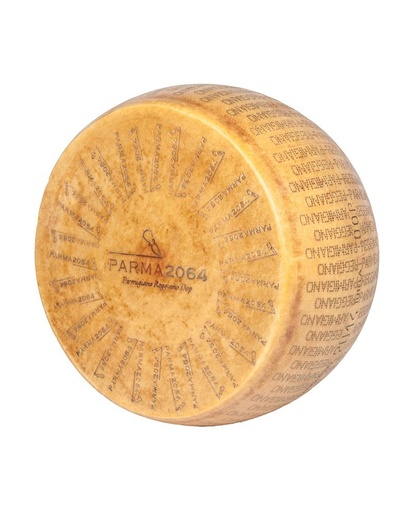
If your menu says Parmigiano Reggiano, San Marzano or Mozzarella di Bufala, the product must legally carry the corresponding PDO (DOP) or PGI (IGP) certification. A serious supplier can produce the certification mark and lot documentation on request. Generic grana is not Parmigiano; tinned plum tomatoes are not San Marzano DOP.
Ask what share of the catalogue is certified and whether the supplier sources directly from the consortium or producer. Direct sourcing reduces the risk of grey-market or relabelled goods.
3. Refrigerated logistics and the cold chain
Fresh dairy, cured meats and frozen desserts must travel at controlled temperatures from warehouse to kitchen door. The standards are +2 to +4 C for chilled and -18 C for frozen. A break in the chain is invisible on delivery but shows up as spoilage two days later.
Ask for multi-temperature vehicles, temperature logging and a documented HACCP plan. A supplier that cannot describe its cold chain in one sentence does not have one.
4. Delivery frequency
Delivery frequency directly drives how much stock you carry and how fresh the product is. A supplier delivering once a week forces you to over-order and freeze; a supplier delivering 6 days a week lets you order tight, hold less and serve fresher.
Ask specifically about your canton: regional coverage varies. A supplier may deliver daily in Zurich but only twice a week in Ticino. Match the frequency to your turnover.
5. Minimum order quantity (MOQ)
MOQ is the threshold for free delivery. A high MOQ punishes small restaurants by forcing over-ordering or a delivery surcharge. Typical Swiss foodservice thresholds run between 150 and 400 CHF per order for free delivery.
Ask the exact free-delivery threshold and the surcharge below it. Combined with high delivery frequency, a low MOQ is what lets a small trattoria run lean inventory.
6. Pricing and price lists
You cannot cost a menu on prices that move every week. A professional supplier provides a stable price list, volume tiers and, for steady clients, contract pricing that locks a rate for a period. Transparency matters more than the headline price: a slightly higher but stable price beats a low price that jumps.
Ask how often prices change, whether there are volume discounts and whether a contract price is available. Get the full price list as a document, not verbal quotes.
7. Reliability and fill rate
Reliability is measurable. The two numbers that matter are the order fill rate (share of ordered lines actually delivered) and the on-time rate. A good supplier runs above 97% fill rate. Below 90%, you will be improvising substitutions during service.
Ask for these figures directly. A supplier that tracks them will tell you; one that does not, cannot be held to a standard.
8. Customer service
In Swiss foodservice, the difference between a vendor and a partner is the person who picks up the phone. A dedicated contact who speaks your language (Italian, German, French), knows your menu and answers within minutes turns a missing crate into a non-event.
Ask whether you get a dedicated contact, which languages are covered and the typical response time on WhatsApp or phone during service hours.
9. Returns handling
Damaged goods, wrong items and quality issues happen. What separates suppliers is how fast they issue a credit note. A clear returns policy, a photo-based claim process and a credit note within a few days protect your cash flow and your trust in the relationship.
Ask for the written returns policy and the typical time from claim to credit note. Vague answers here predict slow refunds later.
10. Customs and HACCP compliance
Importing Italian food into Switzerland involves customs clearance, VAT, origin documentation and Swiss food-law labelling. When your supplier is the importer of record, that burden and that legal risk stay off your books. Add full batch traceability and an HACCP plan and you are covered for any health inspection.
Ask explicitly whether the supplier handles import as the importer of record and whether each lot is traceable from producer to your delivery note.
LAPA as a case study: what the 10 criteria look like in practice
LAPA is an Italian food wholesaler serving restaurants, pizzerias and hotels across Switzerland. It is a useful benchmark because it scores concretely on every criterion above.
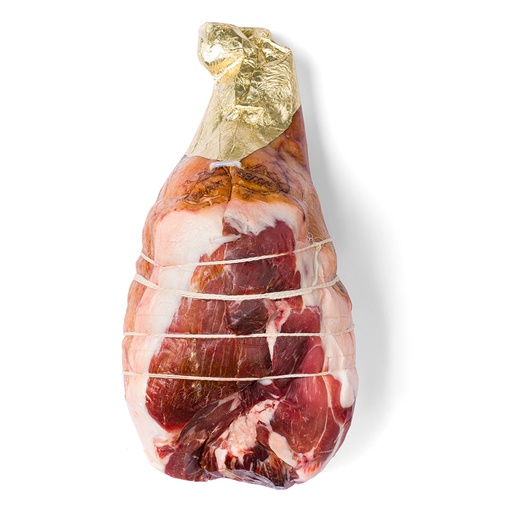
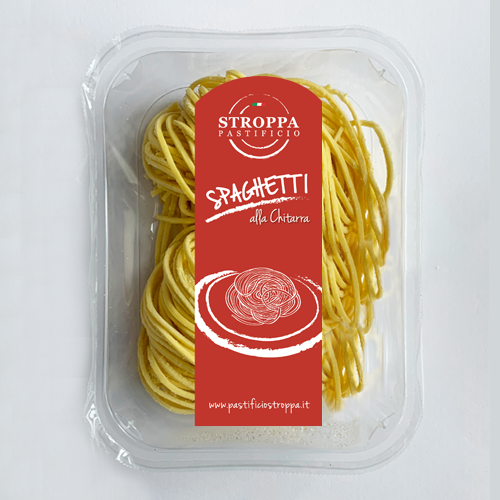
Range: over 3,000 products covering fresh dairy, cured meats, pasta, flours, tomatoes, oils, frozen desserts and non-food, so most kitchens consolidate onto a single supplier.
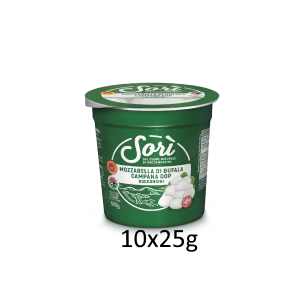
Quality and PDO/PGI: certified products including Parmigiano Reggiano DOP, Mozzarella di Bufala DOP, San Marzano DOP and Burrata, sourced directly from selected Italian producers.
Refrigerated logistics: a controlled cold chain at +2/+4 C for chilled and -18 C for frozen, with multi-temperature delivery.
Delivery frequency: 6 days a week, which lets restaurants order tight and hold less stock.
Reach: coverage across the main Swiss cantons, German-speaking Switzerland, Romandie and Ticino, with regional delivery scheduling.
Service, returns and compliance: multilingual customer service (Italian, German, French), a clear returns process, import handled by LAPA as importer of record, and full batch traceability with an HACCP framework.
FAQ: choosing an Italian food supplier in Switzerland
How do I choose an Italian food supplier in Switzerland?
Score candidates on ten criteria: range, PDO/PGI quality, refrigerated logistics, delivery frequency, MOQ, pricing, reliability, customer service, returns and customs/HACCP compliance. Prefer a supplier that scores well on all ten so you can consolidate onto one partner and reduce stock-outs.
Is a single supplier better than several specialised ones?
For most restaurants a single broad-range supplier wins: fewer orders, fewer deliveries, one invoice and one point of contact. Keep a second supplier only for genuinely niche items the main one does not carry.
What does PDO (DOP) and PGI (IGP) actually guarantee?
PDO guarantees that the whole production happens in a defined area to a strict spec; PGI guarantees that at least one production stage does. Both protect origin and method, which is what lets you legally name them on your menu.
How often should a supplier deliver?
Match frequency to turnover. High-turnover restaurants benefit from daily or near-daily delivery to hold less stock and serve fresher; a supplier delivering 6 days a week covers almost any need. Low-volume sites can work with two to three deliveries a week.
What is a reasonable minimum order in Swiss foodservice?
Free-delivery thresholds typically run between 150 and 400 CHF per order. A lower threshold combined with frequent delivery is ideal for small restaurants, since it lets you order little and often without surcharges.
Who handles customs when importing Italian food into Switzerland?
Ideally the supplier, as importer of record. That means customs clearance, VAT, origin documents and Swiss labelling are handled before the goods reach you, keeping the legal and administrative burden off your business.
How do I measure a supplier reliability?
Track two numbers: order fill rate (lines delivered versus ordered) and on-time delivery rate. Above 97% fill rate is good. Ask the supplier for these figures and compare against your own delivery notes over a few weeks.
Does LAPA deliver to my canton?
LAPA covers the main Swiss cantons across German-speaking Switzerland, Romandie and Ticino, with delivery 6 days a week. The exact schedule depends on your region; call +41 76 361 70 21 to confirm your delivery days.
Can I get a single invoice for all categories?
Yes. The point of a broad-range supplier is that fresh, frozen, dry and non-food all arrive on one delivery and consolidate onto one invoice, which simplifies your accounting and reconciliation.
LAPA: your Italian food supplier in Switzerland
LAPA is the Italian food wholesaler for restaurants, pizzerias and professional kitchens in Switzerland: over 3,000 authentic products, refrigerated delivery 6 days a week, certified PDO/PGI specialities, multilingual service and import handled end to end.
Order on www.lapa.ch or call our office: +41 76 361 70 21.