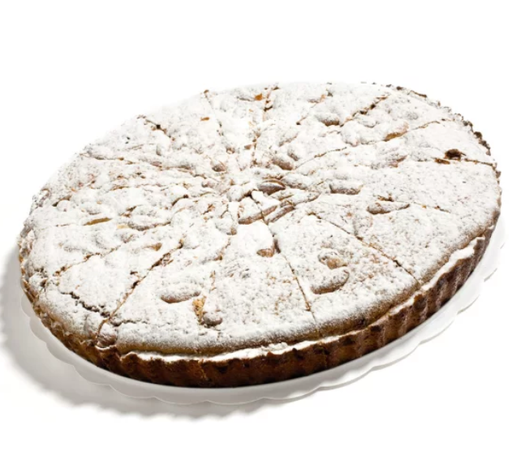
Cantucci Toscani and Vin Santo: Traditional Recipe and Secrets of Tuscan Tradition
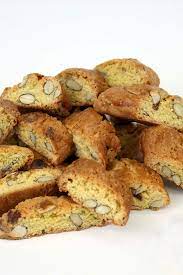
Your guest takes the last bite of dessert. The meal was flawless — but what if you could end it with something they’ll remember for weeks? Cantucci toscani are among the world’s most iconic Italian biscuits: crunchy, golden, studded with whole almonds and made for dipping into Vin Santo. But here’s what most people don’t know — the original recipe hides precise techniques and a rigorous ingredient selection that separate an ordinary almond cookie from an authentic cantuccio di Prato. This is that recipe.
For hospitality professionals across Switzerland, serving authentic cantucci and Vin Santo is the refined finishing touch that transforms a great meal into an unforgettable one. LAPA, your trusted supplier with over 2,000 Italian products and delivery within 24–48 hours throughout Switzerland, provides you with premium almonds, selected flours and Tuscan Vin Santo to bring this tradition into your professional kitchen.
The Origins of Cantucci: From Prato to the World
Antonio Mattei and the Birth of Biscotti di Prato
The history of cantucci is inseparably linked to the city of Prato and to Antonio Mattei, who opened his shop on Via Ricasoli in 1858. Mattei didn’t invent almond biscuits — they already existed in Tuscan tradition — but he codified the perfect recipe and made them famous worldwide. His biscotti di Prato won medals at the universal expositions in Paris, London and Vienna, carrying Prato’s name to the European capitals of gastronomy.
The Double Baking Technique
What makes cantucci unique in Italian pastry-making is the double baking technique. The dough is first shaped into logs and baked once, then cut diagonally and returned to the oven for a second bake that delivers their signature crunch. This technique — bis-coctus, meaning twice baked — guarantees exceptional shelf life and the dry consistency that’s perfect for dipping in Vin Santo. The term cantucci derives from the Latin cantellus, meaning piece of bread, recalling the crunchy slices cut from the ends of a loaf.
Original Ingredients for Cantucci Toscani
The original cantucci toscani recipe stands apart through one bold choice: zero butter, zero oil. Unlike many modern biscuits, traditional cantucci contain no added fats whatsoever. The richness comes exclusively from eggs and almonds. LAPA supplies every ingredient you need for authentic, professional-grade cantucci.
Dough, Almonds and Ingredient Selection
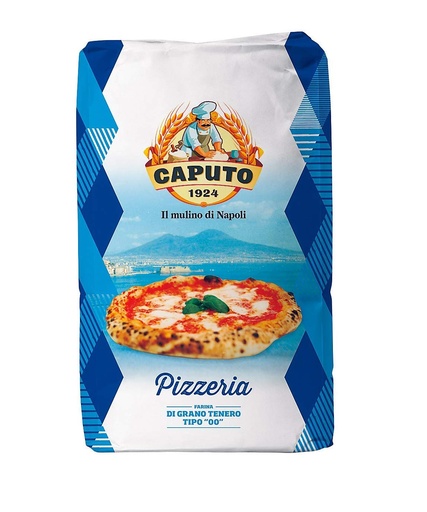
- 500 g type 00 flour
- 350 g caster sugar
- 3 large whole eggs
- 1 egg yolk for brushing
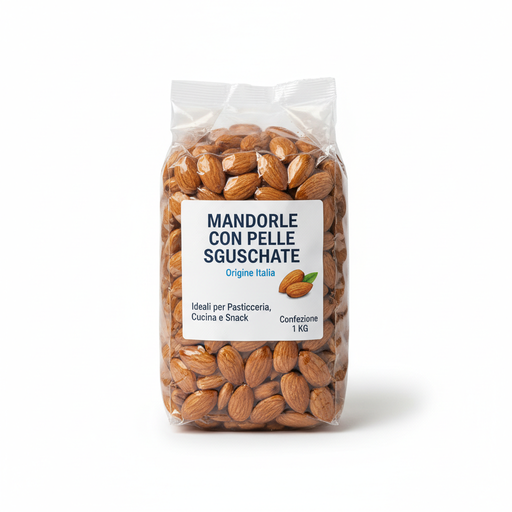
- 250 g whole almonds with skin
- 8 g baking powder
- Grated zest of 1 orange and 1 lemon
- A pinch of salt
The critical detail is the almond selection. In the traditional Prato recipe, whole sweet almonds are used — unpeeled, untoasted and unchopped. The skin contributes both flavour and visual contrast in the sliced biscuit. The almonds must be fresh, crunchy and uniformly sized. LAPA offers premium Italian almonds, selected for calibre and freshness. Some pastry chefs add roughly 10 percent bitter almonds to deepen the aromatic profile.
Step-by-Step Preparation of Cantucci
Dough and Shaping
- Mix the flour with the sugar, baking powder and salt in a large bowl.
- Add the whole eggs one at a time, mixing with a spatula.
- Incorporate the grated orange and lemon zests.
- Add the whole almonds and distribute them evenly throughout the dough.
- Divide the dough into three portions and shape into logs 25–30 cm long and 5–6 cm wide.
- Place on the lined baking tray spaced 8 cm apart and brush with egg yolk and milk.
Double Baking and Cutting
- Bake in a preheated static oven at 170°C for 25–30 minutes until golden.
- Remove from the oven and allow to cool for 10 minutes — do not let them cool completely.
- With a serrated knife, cut the logs diagonally at a 45-degree angle, 1–1.5 cm thick.
- Arrange the cut cantucci on the baking tray with the cut side facing down.
- Return to the oven at 150°C for 10–15 minutes until completely crunchy.
- Remove and cool on a wire rack — they’ll become even crunchier as they rest.
The Vin Santo Ritual and the Perfect Pairing
Tuscan Vin Santo and Serving
Vin Santo is a Tuscan meditation wine crafted from Trebbiano and Malvasia grapes left to dry on racks for months. The must ferments slowly in small barrels called caratelli, maturing for at least three years. The result: an amber, dense wine with notes of honey, dried fruit and caramel. The cantucci and Vin Santo pairing is one of the most celebrated marriages in Italian gastronomy. LAPA supplies authentic Tuscan Vin Santo from selected producers for your dessert menu.
Serve Vin Santo at room temperature or slightly cool — never cold — in small dessert glasses. Present the cantucci on a separate plate. The ideal portion: three to four cantucci per person with a 50–70 ml glass of Vin Santo. In Tuscany, no important meal ends without this ritual, where cantucci dipped in wine release their almond aromas and create an unforgettable tasting moment. Order from LAPA and you’ll have everything you need to bring this pure Tuscan tradition to your table.
Variants and Professional Tips
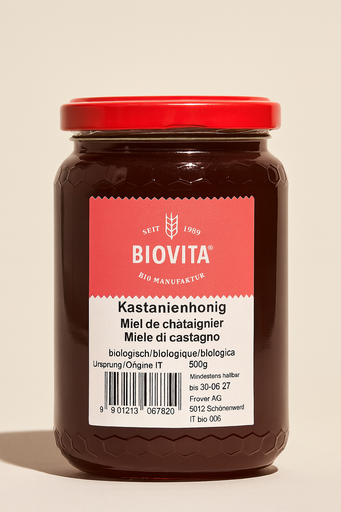
Tuscan tradition offers compelling variants: in Siena with star anise, in Lucca with pine nuts, along the coast with candied citron peel. Modern pastry chefs have developed versions with pistachios and dark chocolate, hazelnuts and chestnut honey, dried figs and walnuts. For the professional, these variants mean a diversified offering without compromising artisanal quality. LAPA stocks all these premium ingredients across a catalogue of over 2,000 products.
Quality Ingredients for Professional Pastry-Making
Cantucci toscani are a biscuit where ingredient quality is non-negotiable. The flour must be type 00 with medium protein content, the almonds fresh and properly calibrated, the eggs large and same-day fresh. LAPA is the ideal partner for pastry professionals in Switzerland who demand authentic Italian raw materials.
With a catalogue of over 2,000 authentic Italian products, LAPA supplies everything you need for professional cantucci production and Vin Santo service. Delivery within 24–48 hours across Switzerland with a freshness guarantee. From Sicilian almonds to stone-ground flour, from Tuscan Vin Santo DOC to cane sugar for modern variants — LAPA is the single supplier for high-level Italian pastry-making.
LAPA works exclusively with selected Italian producers, guaranteeing authenticity and traceability on every product. Whether you run a restaurant, pastry shop, hotel or catering service, LAPA is your source for quality Italian ingredients in Switzerland.
Frequently Asked Questions about Cantucci Toscani and Vin Santo
What is the difference between cantucci and biscotti di Prato?
Cantucci and biscotti di Prato are the same product. Biscotti di Prato is the original name given by Antonio Mattei in 1858 at his celebrated shop in Prato. The term cantucci spread later and became the more widely recognised name across Italy and the world. In Prato, purists still call them biscotti di Prato, proudly claiming authorship of the recipe.
Why do the original cantucci not contain butter?
The traditional recipe codified by Antonio Mattei calls for neither butter nor oil. This deliberate absence of added fats allows cantucci to stay crunchy and dry for weeks — perfect for long storage and for dipping in Vin Santo. Eggs provide structure; almonds contribute natural fats for flavour.
How are cantucci toscani stored?
Cantucci keep perfectly for 3–4 weeks in an airtight container at room temperature. The double baking and absence of butter guarantee excellent shelf life. Avoid refrigerator storage — moisture will soften them. For longer storage, freeze in airtight bags for up to 3 months.
At what temperature is Vin Santo served with cantucci?
Serve Vin Santo at room temperature or slightly cool, around 14–16°C. Never refrigerator-cold — low temperatures shut down the aromas. Use a small glass similar to a liqueur glass, with a portion of approximately 50–70 ml per person.
Can cantucci be made without almonds?
Technically, cantucci without almonds aren’t cantucci in the traditional sense — but there are variants with hazelnuts, pistachios, walnuts or pine nuts that are equally delicious. The whole unpeeled almond remains the defining ingredient of the classic cantuccio and its unmistakable aromatic profile.
How long does the second baking of cantucci take?
The second bake takes 10 to 15 minutes at 150°C, though exact timing depends on slice thickness and your oven. Cantucci are ready when golden and completely dry to the touch. Be careful not to overbake — the almonds can burn and impart a bitter taste.
Explore the full range of professional pastry-making ingredients in the LAPA catalogue — from almonds to flour, from Vin Santo to sugar. Delivery within 24–48 hours across Switzerland. Order at lapa.ch or call +41 76 361 70 21.