Close your eyes. Can you smell the ragù that has been simmering for three hours? That golden crust crackling under the spatula? This is the dish that turns an ordinary Sunday into an unforgettable memory. And for your restaurant? It is the dish that keeps guests coming back. Week after week.
🏛️ Tradition
The celebration dish par excellence. The one your guests order with eyes that light up. The one that, when done right, is worth more than any advertising campaign.
🛒 Ingredients
- 300 grams Type '00' soft wheat flour
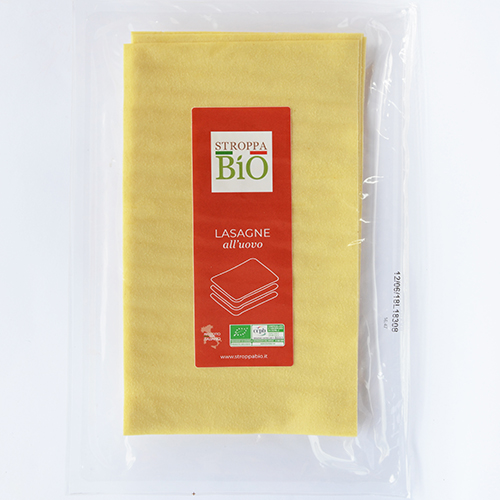
- 3 Medium whole eggs
- 300 grams Ground beef
- 150 grams Ground pork
- 50 grams Finely minced flat pancetta
- 1 (large, chopped) Carrot
- 1 (chopped) Celery stalk
- 1/2 (chopped) Golden onion
- 250 grams Tomato passata
- 1 tablespoon Tomato paste
- 100 ml Dry red wine
- 100 ml Whole milk
- 200 ml Beef broth (or hot water)
- 2 tablespoons Extra virgin olive oil
- to taste Fine salt
- to taste Freshly ground black pepper
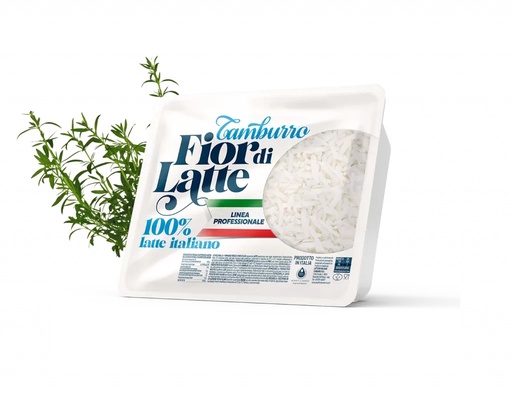
- 1 liter Whole milk
- 100 grams Unsalted butter
- 100 grams Type '00' soft wheat flour
- 1 pinch Grated nutmeg
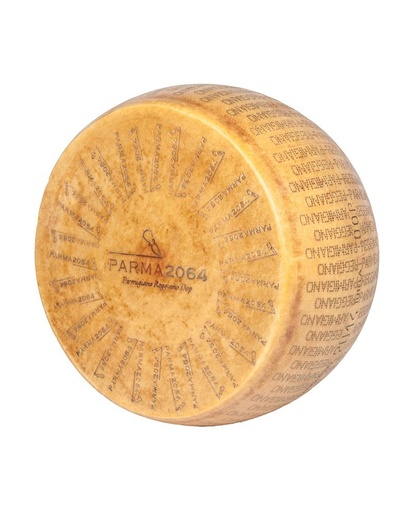
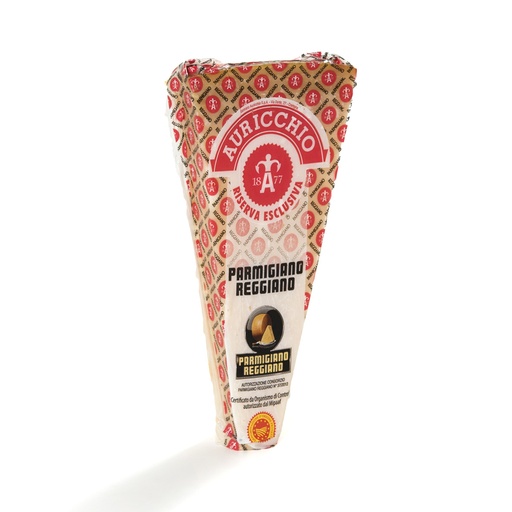
- 150 grams Grated Parmigiano Reggiano PDO
👨🍳 Instructions
- Step 1: FRESH EGG PASTA: On a pastry board, shape the flour into a well. Crack the eggs into the center and, with a fork, beat them while gradually incorporating the flour from the edges. Once the dough is firm enough, knead by hand for 10-15 minutes until smooth and elastic. Wrap in cling film and rest in the refrigerator for at least 30 minutes.
- Step 2: THE BOLOGNESE RAGÙ: In a heavy-bottomed pan, render the minced pancetta with olive oil over low heat. Add the finely chopped carrot, celery, and onion and sweat gently for about 10 minutes until softened. Add the ground beef and pork, breaking them up well with a wooden spoon. Brown the meat over high heat until it changes color.
- Step 3: Deglaze with red wine and let the alcohol evaporate completely. Add the tomato paste, passata, and beef broth (or hot water). Season with salt and pepper. Bring to a boil, then reduce heat to the lowest setting, cover, and simmer gently for at least 2 hours, stirring occasionally. Halfway through, add the milk to tame the acidity and make the ragù creamier. Add more hot broth during cooking if needed to keep the ragù moist. It should be thick and deeply flavorful.
- Step 4: THE BÉCHAMEL: In a small saucepan, melt the butter over low heat. Remove from heat and add the flour all at once, whisking vigorously to create a smooth, lump-free roux. Return to heat and toast the roux for 1-2 minutes. Gradually pour in the warm milk, whisking constantly to prevent lumps. Bring to a boil over medium heat, stirring until the béchamel has thickened. Remove from heat, season with salt, pepper, and a pinch of grated nutmeg. Cover with cling film directly on the surface to prevent a skin from forming.
- Step 5: ROLLING THE PASTA: Divide the dough into several pieces. Using a pasta machine (or rolling pin), roll each piece into thin sheets (about 0.6-0.8 mm). Cut the sheets into rectangles sized to your baking dish. Briefly blanch each sheet in boiling salted water for about 30 seconds (no longer — it must stay al dente), drain, and immediately plunge into cold water to stop cooking. Lay on a clean tea towel to dry.
- Step 6: ASSEMBLING: Preheat the oven to 180°C (fan) or 190°C (conventional). Spread a thin layer of béchamel on the bottom of a baking dish (approx. 20x30 cm). Lay the first layer of pasta sheets, covering the bottom well. Spread a generous layer of ragù, then béchamel, and sprinkle with grated Parmigiano Reggiano. Continue alternating pasta, ragù, béchamel, and Parmigiano, finishing with a layer of béchamel topped with plenty of Parmigiano Reggiano.
- Step 7: THE FINAL BAKE: Bake the lasagne in the hot oven for 30-40 minutes, or until the surface is golden brown and crispy. If needed, cover with aluminum foil during the last few minutes to prevent over-browning. Remove from oven and let rest for at least 10-15 minutes before serving — the layers will settle and cut much more cleanly.
💡 Chef's Pro Tips
- For an even richer ragù, add a finely chopped chicken liver along with the pancetta at the start of cooking.
- Do not over-blanch the pasta, especially if fresh. It needs only a quick scald to stay elastic and finish cooking in the oven.
- Let the lasagne rest out of the oven for a few minutes before cutting: the layers firm up and hold together beautifully when served.
- Nutmeg in the béchamel is essential for that authentic aroma — but a little goes a long way.
🛍️ Order Classic Lasagne
This product is available in our catalog! With over 3,000 products, LAPA is the trusted wholesaler for Swiss hospitality professionals. Call us now at +41 76 361 70 21 — we pick up within 60 seconds.
Discover the LAPA Catalog