Pasta alla Gricia: The Ancient Roman Recipe Behind Carbonara and Amatriciana
The Foundation of Roman Pasta Culture
The Gricia is the BASE recipe of Roman cuisine - the "mother" dish from which both Carbonara and Amatriciana were born:
- Gricia = Guanciale + Pecorino + Pepper (THE BASE!)
- Carbonara = Gricia + Eggs
- Amatriciana = Gricia + Tomato
With only 3 core ingredients, every mistake is exposed. No bold flavors conceal imperfections. The technique must be PERFECT - and ingredient quality is non-negotiable.
The History of Gricia
Born among the shepherds of Lazio and Abruzzo (Grisciano, a hamlet of Accumoli) in the 17th-18th century. Transhumance shepherds carried:
- Dried pasta (long shelf life)
- Aged guanciale (no refrigeration needed!)
- Pecorino Romano (long-lasting cheese)
- Black pepper (a natural preservative)
Evolution:
- Gricia (base, 17th c.) - Amatriciana + Tomato (18th c.) - Carbonara + Eggs (20th c.)
Ingredients (serves 4)
Only 3 Essential Ingredients
- ✅ Pasta: Rigatoni 400g (traditional) or Mezze Maniche
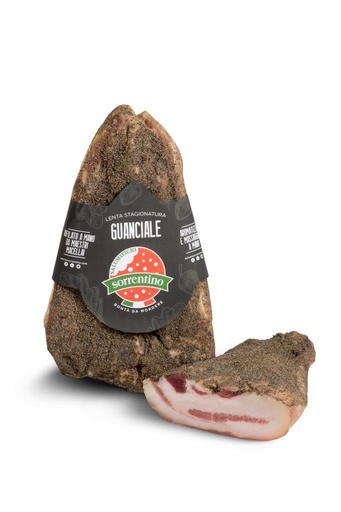
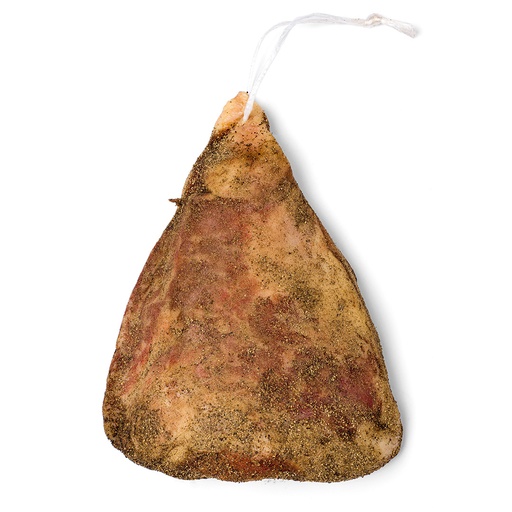
- ✅ Guanciale Amatriciano PGI: 200g LAPA
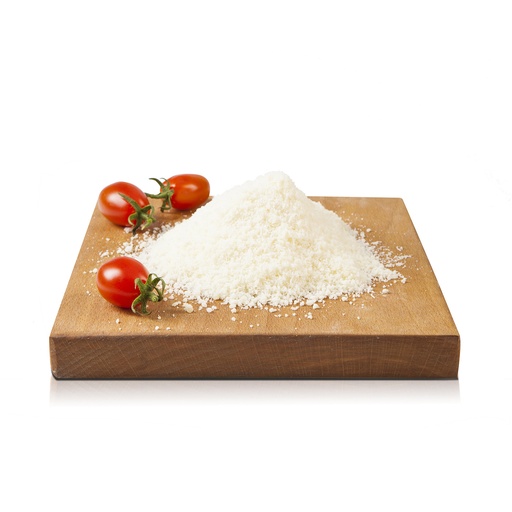
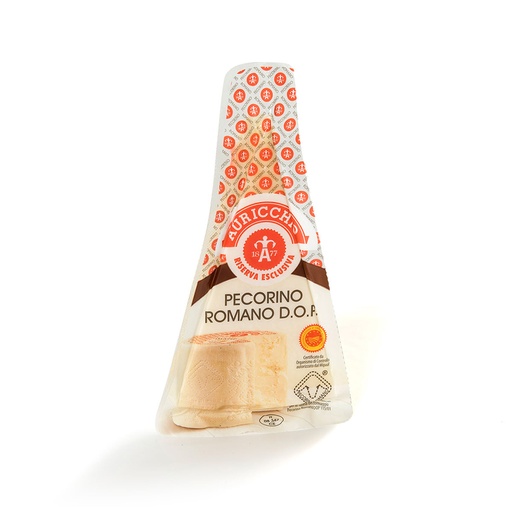
- ✅ Pecorino Romano PDO: 120g freshly grated LAPA
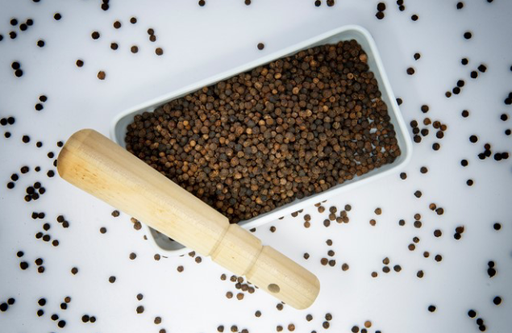
- ✅ Black pepper: 6-8g whole peppercorns (grind fresh!)
- ✅ Pasta water: 250ml (for the mantecatura)
- ✅ Salt: to taste (USE SPARINGLY - Pecorino is already salty)
Strictly Forbidden
- ❌ Oil, butter, or other fats (guanciale fat only!)
- ❌ Garlic or onion (too overpowering!)
- ❌ Cream (this would disqualify it as gricia!)
- ❌ Parmigiano (Pecorino Romano only!)
- ❌ Aromatic herbs
- ❌ White wine (not required!)
Step-by-Step Recipe
1. Prepare the Guanciale (10 min)
The perfect cut:
- Remove the rind (optional: some chefs keep it for extra flavor)
- Cut into sticks: 5mm x 5mm x 2cm
- NO small cubes (they will burn!)
- NO thin slices (they dry out!)
- NO minced (won't release fat properly!)
- Sufficient surface area for even browning
- The interior stays tender
- Gradual release of fat
- Crispy exterior with a soft, yielding interior
2. Brown the Guanciale (10-12 min)
Method:
- Large non-stick pan - START COLD
- Add guanciale (NO oil, NO butter!)
- MEDIUM-LOW heat (patience pays off!)
- Cook 10-12 minutes, stirring every 2-3 min
- Target: Golden, crispy at edges, translucent, fat fully rendered
- 6-7 min = Undercooked (white, rubbery, fat not rendered)
- 10-12 min = PERFECT (golden, crispy, abundant rendered fat)
- 14+ min = Overcooked (dark, dry, bitter)
Fat rendered: Approximately 60-80ml (30-40% of guanciale weight)
IMPORTANT: DO NOT discard the fat! It's the soul of gricia!
3. Toast the Black Pepper (Optional but Highly Recommended)
Method:
- Small separate pan - START COLD
- Add 6-8g whole black peppercorns
- LOW heat
- Toast 2-3 minutes, stirring constantly
- Should smell fragrant (smoke means burnt!)
- Remove from heat, rest 1 minute
- Grind COARSELY using a mortar or coarse pepper mill
- Releases essential oils
- Intensifies aroma
- Removes bitter notes
- Authentic Roman tradition
4. Cook the Pasta (10-12 min)
The pasta water:
Method A: Standard water (4L)
- 4 litres of water
- Salt: 30g (7-8g/litre - LESS than usual!)
- Vigorous boil
- Rigatoni: 10-11 min (2-3 min BEFORE al dente!)
- Only 2 litres of water (half the usual amount!)
- Salt: 20g
- Cook with lid slightly ajar
- Stir frequently (prevents sticking!)
- Advantage: More starchy water = perfectly creamy mantecatura!
Method B: Reduced water (2L - Advanced!)
5. The Mantecatura (THE CRITICAL STEP!) - 2-3 min
Perfect mantecatura process:
- Drain the pasta al dente (2-3 min before ideal doneness)
- Remove guanciale pan from heat (target temperature: 60-70°C)
- Add pasta to the pan with guanciale and rendered fat
- Add Pecorino 80g grated (reserve 40g for finishing)
- Add toasted, ground pepper
- Toss VIGOROUSLY for 2-3 minutes
- Technique: Up-down pan toss (professional chef motion!)
- Add pasta water 50-100ml at a time, as needed
- Continue tossing until the sauce is creamy and velvety
- Goal: Pasta evenly coated in a white cream of Pecorino and guanciale fat
- Below 50°C = Pecorino won't melt (grainy texture)
- 55-65°C = PERFECT (creamy)
- Above 75°C = Pecorino becomes stringy and rubbery
Pro tip: Too thick? Add pasta water. Too loose? Extra Pecorino and keep tossing.
6. Plate
- Deep plates - WARM them first
- Portion the gricia into the plate
- Finish with Pecorino Romano - 40g freshly grated on top (be generous!)
- Freshly ground black pepper - add generously
- NO oil (guanciale fat is all you need!)
- SERVE IMMEDIATELY (gricia waits for no one!)
Common Mistakes (and How to Fix Them)
❌ Mistake #1: Dry gricia, lacks creaminess
Cause: Too little pasta water, insufficient mantecatura, or not enough Pecorino
Fix:
- Always reserve at least 2 cups of pasta water
- Toss for a full 2-3 minutes!
- Use 120g Pecorino in total (30g per person)
- Add water gradually until creamy
❌ Mistake #2: Lumpy or stringy Pecorino
Cause:
Fix:
- Always remove pan from heat before the mantecatura!
- Temperature must stay below 65°C
- If it clumps: add BOILING water immediately and whisk vigorously
- Grate Pecorino very finely - never use pre-grated!
❌ Mistake #3: Rubbery guanciale
Cause:
Fix:
- Medium-low heat - patience is key!
- Brown for 10-12 minutes (not 5-6!)
- Must turn translucent and fully render the fat
❌ Mistake #4: Dish is too salty
Cause:
Fix:
- Salt the water sparingly: 7g/litre vs the usual 10g
- Pecorino Romano is already very salty!
- Always taste before adding any salt
❌ Mistake #5: Watery or runny gricia
Cause:
Fix:
- Add water 30-50ml at a time - never all at once!
- Keep tossing - the movement helps evaporate excess liquid
- If still too loose: add more Pecorino and toss 1-2 min more
Gricia Variations
Gricia Bianca vs Gricia Nera
Gricia Bianca (Classic):
- Minimal black pepper (3-4g)
- White-cream colour from the Pecorino
- Delicate flavour
- Generous black pepper (10-15g!)
- Dark grey colour
- Intense, peppery flavour
- Note: "Gricia" is thought to derive from "grigio" (grey) - the colour of pepper!
Gricia with Extra-Crispy Guanciale
Technique:
- Prepare gricia as normal
- Reserve half the browned guanciale
- Continue browning the other half until very crispy (15 min total)
- Use the softer guanciale for the mantecatura
- Garnish with the extra-crispy guanciale on top
- Result: Delightful texture contrast (creamy + crispy!)
Gricia Risottata
Technique:
- Toast the pasta in the pan with guanciale for 2 min
- Add boiling water gradually, risotto-style
- Cook 12-15 min, stirring throughout
- Finish with Pecorino mantecatura
- Result: Even creamier, with starch released gradually
Gricia with Artichokes (Spring Variation)
Addition:
- Roman artichokes: 4, cleaned and thinly sliced
- Sauté with guanciale 5 min
- Continue with the standard recipe
- Note: Not a "pure" gricia, but a widely accepted regional variation
The Science Behind the Mantecatura
Why is Gricia so Technically Demanding?
The fat+water+Pecorino emulsion:
- Guanciale fat: 60-80ml (hydrophobic, DOESN'T mix with water)
- Pasta water: 50-100ml (hydrophilic)
- Pecorino Romano: 120g (a natural emulsifier!)
- Vigorous movement: Builds the creamy emulsion
- Milk proteins bind fat and water
- Pasta starch stabilises the emulsion
- Mechanical movement (the mantecatura!) brings it all together
Critical Temperature
Vigorous movement:
Key rule: ALWAYS do the mantecatura off the heat - residual pasta heat is sufficient.
Wine Pairings
Whites (Recommended)
- 🍷 Frascati Superiore DOCG - Classic Roman, fresh and saline
- 🍷 Cesanese del Piglio Bianco - Rare Lazio white, mineral
- 🍷 Verdicchio di Matelica Riserva - Structure and acidity
- 🍷 Pecorino (grape variety) Abruzzo - An apt name, fruity
- 🍷 Trebbiano d'Abruzzo - Versatile, neutral, cleans palate
Light Reds
- 🍷 Cesanese del Piglio DOCG - From Lazio, spiced pepper notes (a perfect match!)
- 🍷 Sangiovese di Romagna - Fresh, low tannin
- 🍷 Montepulciano d'Abruzzo young - Soft, fruity
Gricia FAQ
What is the difference between Gricia, Carbonara and Amatriciana?
THE ROMAN PASTA FAMILY:
Gricia (THE BASE):
- Guanciale + Pecorino + Pepper
- 3 ingredients
- 17th-18th century
- Gricia + Eggs (4-5 yolks)
- NO tomato!
- 20th century (1940-1950)
- Gricia + San Marzano Tomato
- NO eggs!
- 18th century
- Gricia = THE MOTHER
- Carbonara = Gricia + Eggs
- Amatriciana = Gricia + Tomato
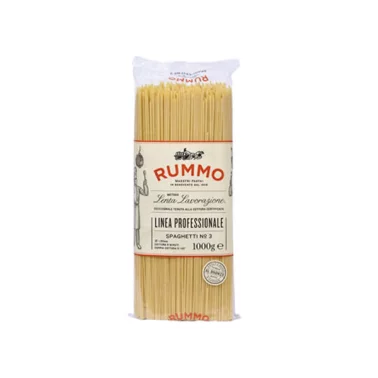
Rigatoni, Mezze Maniche or Spaghetti?
Roman tradition: RIGATONI or MEZZE MANICHE
Why short, ridged pasta?
- The ridged surface holds the Pecorino cream
- The inner cavity traps guanciale
- Ideal texture for the mantecatura
- Traditional to Lazio
- Length 4-5cm
- Diameter 12-15mm
- Ideal for generous portions of gricia
- Length 2-3cm (half the size of rigatoni)
- More refined
- Perfect for elegant plating
- Tortiglioni (similar to rigatoni)
- Mezzi rigatoni
- Spaghetti (less traditional, but acceptable)
- Smooth penne (the cream will slide right off!)
- Long pasta other than spaghetti
- Fresh egg pasta (too delicate)
How Much Guanciale and Pecorino Per Person?
Standard quantities:
Acceptable alternatives:
- 200g for 4 people
- After browning: approx. 120-140g (loses 30-40% as rendered fat)
- 120g total for 4 people
- 80g for mantecatura + 40g to finish
Light:
- Guanciale 40g/person (160g for 4)
- Pecorino 25g/person (100g for 4)
- Guanciale 50g/person (200g for 4) ✅
- Pecorino 30g/person (120g for 4) ✅
- Guanciale 60-70g/person (240-280g for 4)
- Pecorino 40g/person (160g for 4)
- Guanciale 80g/person (320g for 4) 🌟
- Pecorino 50g/person (200g for 4) 🌟
Can I Substitute Pancetta for Guanciale?
No. The result is completely different.
Guanciale Amatriciano:
- Cut: Pork jowl
- Fat/Lean: 70/30
- Flavour: Intense, sweet, aromatic
- Texture: Soft, melts in the mouth
- Ageing: 45-60 days
- Price: 42-48 CHF/kg
- Cut: Pork belly
- Fat/Lean: 50/50
- Flavour: More delicate, often smoked
- Texture: Firmer
- Ageing: 20-30 days
- Price: 18-25 CHF/kg
- Pancetta: Less fat rendered (drier gricia!)
- Less intense flavour (flatter result!)
- Smoky flavour (if present) overwhelms the dish (NOT traditional!)
Can I Prepare Gricia in Advance?
No. Gricia is a dish that must be served immediately.
What can be done ahead:
- ✅ Browned guanciale (up to 2h ahead, reheat gently)
- ✅ Grated Pecorino (up to 1h ahead, keep covered!)
- ✅ Toasted pepper (up to 2h ahead, keep covered)
- ✅ Bring water to boil
- ❌ Cooked pasta (becomes sticky!)
- ❌ Finished gricia (it will solidify!)
For restaurants:
- Add a little milk (20-30ml) or water
- Warm a non-stick pan
- Re-toss for 1-2 min
- Add extra Pecorino if needed
- Result: Acceptable, but never as good as freshly made!
LAPA Products for the Perfect Gricia
Guanciale Amatriciano PGI - LAPA
- ✅ PGI Certification (Protected Geographical Indication)
- ✅ Origin: Amatrice and Lazio
- ✅ Aged 45-60 days (vs 30 days industrial)
- ✅ Fat/lean ratio 70/30 - ideal for gricia
- ✅ Artisanal production: Selected small-scale producers
- ✅ Flavour: Intense, sweet, aromatic (black pepper, herbs)
- ✅ Texture: Soft, melts in the mouth
- ✅ Storage: Vacuum-packed, 6-12 months refrigerated
- 500g: CHF 21 (2-3 gricia recipes)
- 1kg: CHF 40 (5-6 recipes)
- 1.5kg: CHF 58 (8-10 recipes)
- 3kg: CHF 110 (restaurants)
- Full traceability certification (know exactly where it comes from!)
- Extended ageing (more complex flavour!)
- Premium fat (renders perfectly - not greasy!)
- Optimal fat/lean ratio (delivers the right creaminess!)
- Flavour: +70% intensity
- Ageing: +15-30 days
- Price: +CHF 15-20/kg
- Worth it? Absolutely. The difference between a good gricia and a great one.
Pecorino Romano PDO - LAPA
- ✅ PDO Certification - Protection Consortium
- ✅ Aged 8-10 months (vs 5-8 months standard)
- ✅ 100% sheep's milk from Lazio/Sardinia (full traceability)
- ✅ Artisanal production: Historic dairies
- ✅ Flavour: Salty, with balanced heat (NOT overpowering!)
- ✅ Meltability: Optimal for mantecatura (creaminess guaranteed!)
- ✅ Crystals: Present in long-aged wheels (adds texture!)
- 250g freshly grated: CHF 4.80 (convenient, fresh!)
- 500g piece: CHF 9.50
- 1kg piece: CHF 18
- 2kg wheel: CHF 34
- 5kg half wheel: CHF 80 (restaurants)
| Characteristic | Pecorino Romano | Parmigiano Reggiano |
|---|---|---|
| Milk | Sheep | Cow |
| Flavour | Salty, peppery | Sweet, delicate |
| Meltability | High (creamy!) | Medium (grainier) |
| Gricia tradition | YES (original recipe!) | NO (not traditional!) |
| Min. ageing | 5 months | 12 months |
| Price | CHF 18-22/kg | CHF 28-35/kg |
Tellicherry Black Pepper - LAPA
- ✅ Origin: India (Kerala, Tellicherry)
- ✅ Peppercorns: Large 4-5mm (the finest!)
- ✅ Harvest: Hand-picked (quality selected)
- ✅ Aroma: Intense (essential oils 3-4%)
- ✅ Spiciness: Balanced (DOESN'T burn!)
- ✅ Fragrance: Complex (floral, woody, citrus)
- 50g whole peppercorns: CHF 3.20
- 100g peppercorns: CHF 5.80
- 250g peppercorns: CHF 13
- 500g peppercorns: CHF 24 (restaurants)
- Larger peppercorns = more aromatic oils
- Elegant heat (not aggressive)
- Persistent fragrance
- Freshly ground, it elevates the gricia!
The Perfect Gricia Kit - LAPA
Complete Kit (serves 4):
- Guanciale Amatriciano PGI 250g (extra - be generous!)
- Pecorino Romano PDO 150g freshly grated
- Tellicherry Black Pepper 30g whole peppercorns
- Rigatoni di Gragnano PGI 500g (bronze-drawn!)
- Detailed recipe card + QR code video tutorial
📧 [email protected] | 📞 +41 76 361 70 21 | 🌐 www.lapa.ch
BONUS: Professional chef tips for the perfect mantecatura included!
Conclusion: Gricia is Pure Essence
The Gricia is the essence of Roman cuisine: absolute simplicity, exceptional ingredients, flawless technique. Three elements - guanciale, Pecorino, pepper - gave rise to Carbonara and Amatriciana. When the ingredients are right, the result speaks for itself.
The challenge? There are no bold flavours to hide behind. Every detail matters: mantecatura temperature, Pecorino quality, guanciale browning time. LAPA sources the finest certified Italian ingredients so that every gricia you serve meets the highest standard.
3 final tips:
- LAPA Guanciale PGI: Aged 60 days, 70/30 ratio, browned 10-12 min (never rush it!)
- Pecorino Romano PDO: FRESHLY grated, aged 8-10 months, 30g/person (be generous!)
- Mantecatura off the heat: 55-65°C, vigorous movement for 2-3 min, pasta water added gradually (perfect emulsion!)
Buon appetito!
---
Related Articles:
Tags: