
Ultimo aggiornamento: 7 luglio 2026
In 30 secondi: ricotta vs mascarpone vs quark
La ricotta tecnicamente non è un formaggio ma un latticino di siero, ricotto («ricotta» = cotta due volte): leggera e granulosa, circa 8-13% di grassi. Il mascarpone è un formaggio fresco a base di crema, acidificato e scolato: denso e burroso con il 40-47% di grassi — il motore strutturale del tiramisù. Il quark è un formaggio fresco a coagulazione acida, standard nelle cucine svizzere e tedesche: fresco, acidulo e decisamente più magro. Le regole di sostituzione: il mascarpone sostituisce la panna nelle salse salate; la ricotta alleggerisce i ripieni di cannoli, ravioli e dolci da forno; il quark può sostituire la ricotta nella cheesecake con una nota più acida — ma niente sostituisce il mascarpone nel tiramisù senza perdere corpo. Nella vaschetta si somigliano; è il grasso a decidere consistenza, struttura e comportamento in cottura.
Ricotta, Mascarpone, Quark: Capire i formaggi freschi italiani
Chi cucina italiano li incontra continuamente: ricotta, mascarpone e quark. Tre prodotti bianchi e cremosi che a prima vista si assomigliano, ma che possiedono caratteristiche completamente diverse. Che si tratti di tiramisu, cannoli o un leggero ripieno per la pasta, la scelta del formaggio fresco giusto determina il gusto e la consistenza di un piatto. LAPA consegna specialita' casearie italiane fresche direttamente a casa vostra in Svizzera e vi aiuta a capire le differenze.
Tre formaggi freschi, tre mondi
Ricotta, mascarpone e quark vengono spesso confusi o equiparati. Questo e' un errore, perche' ciascuno di questi prodotti ha una propria storia, un proprio metodo di produzione e un profilo gustativo unico. La ricotta nasce dalla tradizione italiana del siero di latte, il mascarpone e' un prodotto di lusso a base di panna dalla Lombardia, e il quark e' un classico dell'Europa centrale con una lunga tradizione in Svizzera e in Germania. LAPA propone formaggi freschi italiani autentici da produttori selezionati, affinche' possiate sempre utilizzare l'originale nella vostra cucina.
Le differenze si manifestano in tre ambiti fondamentali: produzione, contenuto di grassi e utilizzo culinario. Chi comprende questi tre aspetti fa sempre la scelta giusta al banco dei formaggi.
Ricotta: non proprio un formaggio
A rigore, la ricotta non e' un formaggio. Mentre il formaggio classico e' prodotto dal latte, la ricotta nasce dal siero, un sottoprodotto della lavorazione casearia. Questo rende la ricotta un alimento unico, dal carattere particolarmente leggero. LAPA si rifornisce di ricotta direttamente da caseifici italiani tradizionali che coltivano quest'arte da generazioni.
Produzione dal siero (ri-cotta = cotta di nuovo)
Il nome rivela gia' il segreto: ri-cotta significa cotta di nuovo. Durante la produzione di formaggi come il pecorino o la mozzarella, rimane del siero. Questo siero contiene ancora proteine preziose, in particolare albumina e globulina. Riscaldandolo nuovamente a circa 80-90 gradi, queste proteine coagulano e salgono in superficie come una schiuma bianca e soffice. Questa viene raccolta e messa a scolare in cestini. Il risultato e' la ricotta: delicata, a grana fine e con un contenuto di grassi di solo il 10-15 percento. La ricotta e' quindi nettamente piu' leggera della maggior parte degli altri formaggi freschi.
Ricotta di Pecora, Vaccina, Bufala: le varianti
Non tutte le ricotte sono uguali. La variante dipende dal latte utilizzato. La ricotta di pecora, prodotta dal siero di latte ovino, e' particolarmente aromatica e tipica della Sardegna e del Sud Italia. La ricotta vaccina, da siero di latte vaccino, e' piu' delicata e diffusa in tutta Italia. La ricotta di bufala, dal siero di latte di bufala, proviene dalla Campania e ha una consistenza particolarmente cremosa. Per la ristorazione in Svizzera, LAPA offre diverse varieta' di ricotta, dalla classica vaccina alla pregiata bufala.
Mascarpone: la tentazione cremosa
Il mascarpone e' l'esatto opposto della ricotta in termini di ricchezza. Questo formaggio fresco lombardo e' uno dei formaggi piu' grassi in assoluto e deve il suo gusto inconfondibile proprio a questa abbondanza. Se cercate mascarpone autentico per la vostra cucina, da LAPA trovate qualita' eccellente dai produttori lombardi.
Produzione con acido citrico
La produzione del mascarpone e' sorprendentemente semplice, ma il risultato e' straordinario. Panna fresca con almeno il 25 percento di grassi viene riscaldata a circa 85 gradi. Poi si aggiunge acido citrico o acido tartarico. L'acido fa coagulare le proteine nella panna, formando una massa densa e vellutata. Dopo lo scolamento si ottiene il mascarpone: morbido come il burro, leggermente dolce e di una cremosita' impareggiabile.
80% di grassi: perche' il mascarpone e' cosi' ricco
Con un contenuto di grassi del 75-80 percento sulla sostanza secca, il mascarpone e' uno dei formaggi freschi piu' ricchi al mondo. Per confronto: la ricotta ha circa il 40 percento di grassi sulla sostanza secca, il quark solo il 10-45 percento a seconda del tipo. Questo alto contenuto di grassi non e' uno svantaggio, ma la ragione della sua consistenza unica. Il grasso e' un vettore di sapore, e il mascarpone trasporta gli aromi come quasi nessun altro latticino. Per questo il mascarpone e' la base irrinunciabile del tiramisu e di molti altri dessert italiani.
Quark vs Ricotta: il confronto svizzero
In Svizzera il quark e' onnipresente. Molti cuochi amatoriali si chiedono quindi: posso semplicemente usare il quark al posto della ricotta? La risposta e' articolata. Quark e ricotta si assomigliano, ma vengono prodotti in modo completamente diverso. Il quark si ottiene per coagulazione acida del latte magro con batteri lattici. Ha una consistenza piu' densa e liscia rispetto alla ricotta e un gusto leggermente acidulo. La ricotta invece e' piu' granulosa, delicata e leggera.
Si puo' sostituire la ricotta con il quark?
In alcuni piatti la sostituzione funziona, in altri no. Per un ripieno di lasagna o ravioli spinaci e ricotta, il quark puo' servire come soluzione d'emergenza, ma il gusto sara' diverso: piu' acido, piu' denso, meno raffinato. Per cannoli, cassata o altri classici siciliani, la vera ricotta e' insostituibile. Il carattere a grana fine e il gusto delicato non si possono imitare con il quark. LAPA consiglia quindi sempre l'originale: ricotta italiana fresca, che porta il gusto autentico dell'Italia nei vostri piatti.
Quale formaggio fresco per quale piatto?
L'abbinamento giusto tra formaggio fresco e piatto e' decisivo per la riuscita. Ecco una panoramica delle combinazioni piu' importanti che ogni professionista e ogni cuoco ambizioso dovrebbe conoscere.
Tiramisu, Cannoli, Cheesecake e altro
Per il tiramisu il mascarpone e' l'unica scelta giusta. La sua consistenza cremosa e l'alto contenuto di grassi fanno si' che la crema resti stabile e allo stesso tempo si sciolga in bocca. Ne' la ricotta ne' il quark possono dare questo risultato. Per i cannoli siciliani serve la ricotta, tradizionalmente ricotta di pecora. La consistenza granulosa e il gusto delicato sono qui irrinunciabili. Il mascarpone sarebbe troppo pesante, il quark troppo acido. Per una cheesecake in stile New York il quark funziona bene come ingrediente, ma anche qui una combinazione con il mascarpone offre un risultato particolarmente ricco. Per la pasta ripiena come ravioli o tortelloni, la ricotta e' il classico: leggera, a grana fine e perfetta da combinare con spinaci, erbe o scorza di limone.
LAPA propone tutti e tre i formaggi freschi in qualita' professionale e vi consiglia volentieri nella scelta per il vostro piatto specifico.
Qualita' e conservazione
I formaggi freschi sono prodotti delicati. La ricotta si conserva dopo l'apertura solo due o tre giorni in frigorifero. Il mascarpone dura un po' di piu', circa quattro o cinque giorni, poiche' l'alto contenuto di grassi ha un effetto conservante. Il quark si conserva piu' a lungo, fino a una settimana. Tutti e tre vanno conservati tra due e quattro gradi Celsius e non vanno mai congelati, poiche' la consistenza ne soffrirebbe.
All'acquisto fate attenzione alla data di produzione, non solo alla data di scadenza. Ricotta e mascarpone italiani freschi dovrebbero essere lavorati il piu' presto possibile. LAPA garantisce filiere corte e consegna in giornata per gli ordini entro le 05:00, affinche' i prodotti arrivino da voi in condizioni ottimali. Fate inoltre attenzione alla lista degli ingredienti: una ricotta di qualita' contiene solo siero e al massimo sale. Il mascarpone e' composto da panna e acido. Prodotti con additivi come stabilizzanti o conservanti sono di qualita' inferiore.
LAPA: specialita' casearie italiane fresche
Che si tratti di ricotta, mascarpone o altre specialita' casearie italiane, LAPA e' il vostro partner affidabile in Svizzera. Con oltre 3000 prodotti italiani autentici e consegna in giornata nella Svizzera tedesca per gli ordini entro le 05:00, in 1–3 giorni lavorativi nel resto della Svizzera, LAPA offre tutto cio' di cui hanno bisogno i professionisti della ristorazione e i cuochi amatoriali esigenti.
LAPA lavora direttamente con caseifici italiani selezionati e garantisce autenticita' e tracciabilita' su ogni prodotto. Dalla fine ricotta di bufala al cremoso mascarpone lombardo, fino al pecorino stagionato e al Parmigiano Reggiano: da LAPA trovate tutta la ricchezza della tradizione casearia italiana.
LAPA consegna ricotta fresca, mascarpone e altre specialita' casearie italiane. Visitate lapa.ch e scoprite il nostro assortimento. Ordinate oggi stesso e scoprite la differenza che la vera qualita' italiana fa nella vostra cucina.
I Formaggi Freschi LAPA

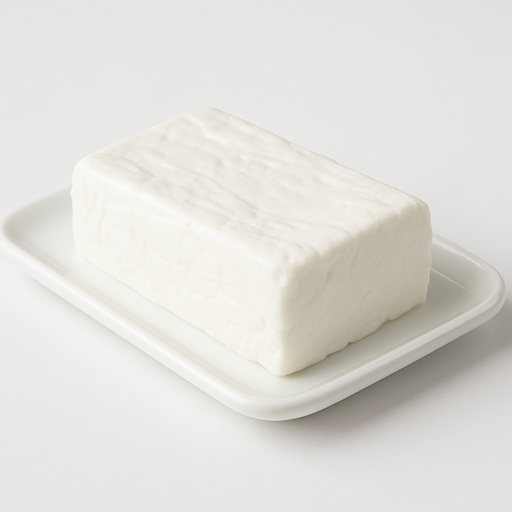
Prodotti citati in questo articolo
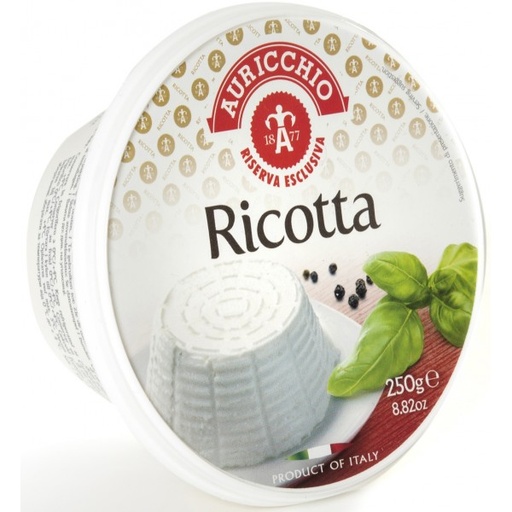
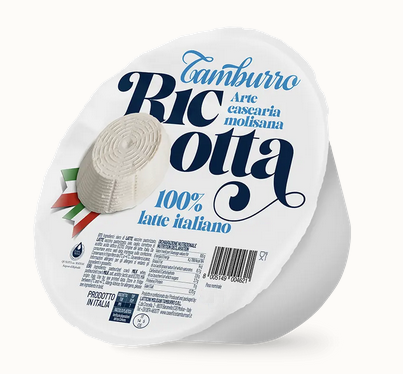
- Ricotta vaccina fresca — Il prodotto del siero leggero e granuloso descritto nell'articolo, 8-13% di grassi.
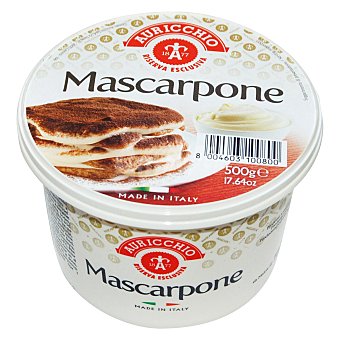
- Mascarpone 500 g — 40-47% di grassi, il motore strutturale del tiramisù.
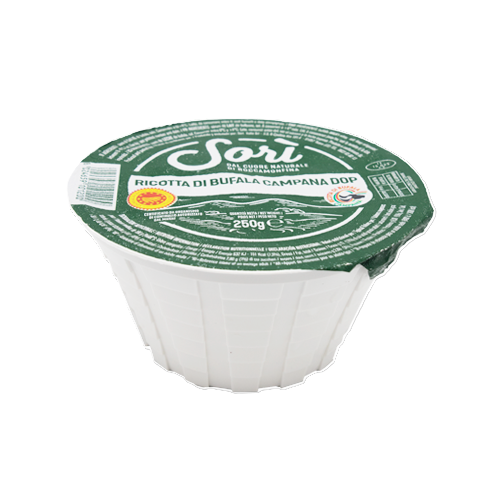
- Ricotta di bufala campana — Più ricca della ricotta vaccina, per ripieni con più corpo e sapore.
- Crema di ricotta zuccherata senza lattosio — Già zuccherata, pronta per farcire cannoli e torte cotte direttamente dal secchio.