


The restaurant next door just added stracciatella di burrata to its menu. Its tables are full every night. Yours could be by tomorrow.
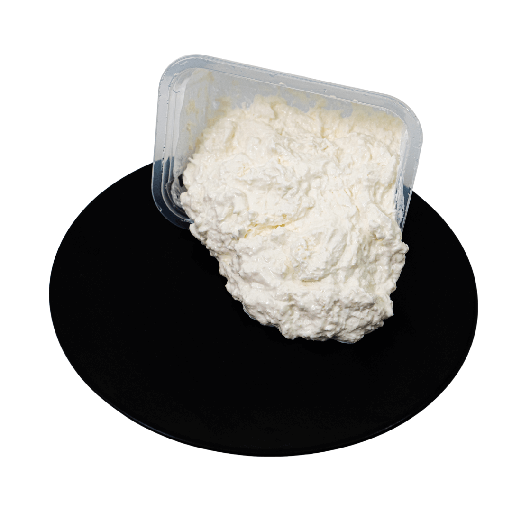
Right now, in Switzerland's most sought-after restaurants, the dishes everyone is talking about share one ingredient: authentic stracciatella di burrata from Puglia. Creamy, delicate, of unbelievable freshness — it turns a simple pasta dish into an experience that diners photograph, share and come back for. The question isn't whether your menu needs it. The question is: how much longer can you afford to wait?
You Know This Frustration
You've already searched for the perfect stracciatella. Maybe you found a supplier who promised "authentic Italian" — only to receive a product that tasted bland, arrived nearly expired or varied in quality from one delivery to the next. You know what comes next: disappointed diners, wasted product and that nagging feeling that your competitor sources better than you.
It's not your fault. Stracciatella di burrata is one of the most delicate fresh cheeses in the world — only three ingredients (fresh milk, cream, rennet), zero preservatives, a 12-day maximum shelf life. Delivering it in perfect condition demands a cold chain designed specifically for this kind of product. Most distributors simply aren't capable of it.
We Built Our Company Around This Problem
LAPA was founded in Embrach, canton of Zurich, with a single obsession: bringing the true flavors of Italy into Swiss professional kitchens — with no compromise. We're food-service entrepreneurs, just like you. We know what it means to fight for quality every single day. That's why we select exclusively certified PGI stracciatella from the finest artisan dairies of Andria, in Puglia — the birthplace of burrata.
Our cold-chain protocols guarantee optimal temperatures from Puglia all the way to your kitchen. No weak link. No warm truck. No improvisation. When you open a LAPA delivery, the stracciatella is as fresh as the day it left the dairy — milk-white strands bathed in ivory cream, with that sweet, slightly tangy, unmistakable aroma of true pasta filata.
What Makes Stracciatella Extraordinary
Cut a burrata in half and watch the heart flow out. That silky, irresistible heart — hand-torn mozzarella strands immersed in fresh cream — is stracciatella. Born in the 1920s in Andria when master cheesemaker Lorenzo Bianchino found an ingenious way to use mozzarella offcuts, stracciatella went from a humble filling to one of the most coveted ingredients in European fine dining.
Production is deceptively simple. The fresh curd is stretched in water at 80-90°C until smooth and elastic, then torn by hand into irregular "rags" — the stracci — and immediately plunged into fresh cream. No machine can reproduce the texture that expert hands create: strands with just the right resistance, wrapped in a cream that's neither too runny nor too thick. The result is a cheese that melts in the mouth, releasing waves of fresh milk and delicate acidity.
Stracciatella vs. Burrata: When to Use Which
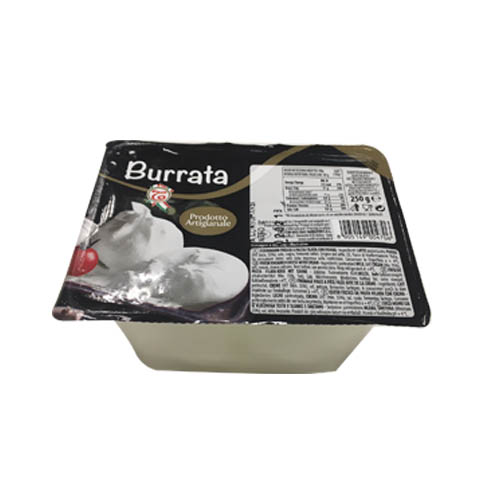
Burrata is the showstopper — serve it whole, cut it at the table, let the magic happen. Stracciatella is the engine of creativity: spread it over a pizza fresh from the oven, fold it into hot pasta for an airy cream, spoon it onto bruschetta or use it as a velvety base for seasonal compositions. With no outer shell, it's pure, uniform creaminess from the first bite to the last.
How 380+ Swiss Restaurants Already Use It
As a starter: Stracciatella at room temperature with heirloom tomatoes, Maldon salt and premium olive oil — a timeless classic. The boldest chefs pair it with roasted beets and toasted hazelnuts, grilled peaches and prosciutto, or fermented vegetables for a striking contrast between creaminess and acidity.
On pasta: Added off the heat to paccheri or fresh egg tagliatelle, stracciatella creates a light, milky cream that makes heavy cream-based sauces obsolete. With crispy guanciale, sautéed zucchini or porcini — every strand wrapped in silk.
On gourmet pizza: White pizza with stracciatella, artisan mortadella and Bronte pistachio shavings. Confit cherry tomatoes, stracciatella and fresh basil. Always added after baking to preserve that perfect freshness.
Pro tip — serving temperature: Take it out of the refrigerator 30 minutes before service. At 18-20°C, the cream flows freely, the strands express their full elasticity and the flavor blooms completely. Too cold = flat flavor. Too warm = fat separation. Timing is everything.
The Numbers That Matter
A stracciatella starter uses 50-75g per portion. At wholesale prices, your ingredient cost is CHF 1.30-2.75. Your menu price: CHF 18-28. That's a gross margin above 85%. For pasta dishes (40-60g per plate), the margin is even better. Stracciatella isn't just a premium ingredient — it's one of the most profitable items you can put on your menu.
But the real value goes beyond food cost. A menu that showcases PGI stracciatella from Puglia signals to your diners that you care about provenance, quality and authenticity. It elevates the perception of your entire offering. Premium customers notice — and they pay accordingly.
Your 3-Step Plan
- Call us at +41 76 361 70 21 or browse our catalog of over 2,000 premium Italian products
- Receive your first delivery — cold chain guaranteed, maximum freshness, delivered to your kitchen on your schedule
- Delight your diners — and watch reviews, photos and reservations multiply
Zero Risk, All Upside
We know that switching suppliers feels like a leap into the unknown. That's why we make it simple: request a free sample of our PGI stracciatella. Taste it yourself. Compare it with what you're serving now. If it isn't the best stracciatella you've ever tasted, you owe us nothing. We take the risk for you.
Picture tomorrow's service: you place a quenelle of perfectly tempered stracciatella on a bed of heirloom tomatoes. Your diner takes the first bite, closes their eyes and asks where your ingredients come from. That's the LAPA difference. That's what over 2,000 Italian products, obsessive quality control and a logistics chain built for freshness guarantee — every single day.
☎ +41 76 361 70 21 — Call now and discover why Switzerland's best kitchens trust LAPA.
Frequently Asked Questions
What's the difference between stracciatella and burrata?
Stracciatella is the creamy heart of burrata — hand-torn mozzarella strands in fresh cream, sold without the outer shell. Burrata includes that shell, ideal for spectacular tableside presentations, while stracciatella excels in pasta, on pizza, on bruschetta and anywhere you want pure, spreadable creaminess.
How long does stracciatella keep?
Sealed and stored between 0 and 4°C, artisan stracciatella keeps for up to 12 days after production. Once opened, consume within 48 hours for optimal flavor. LAPA's optimized cold chain guarantees maximum remaining shelf life with every delivery.
What's the ideal serving temperature?
18-20°C — take it out of the refrigerator 30 minutes before service. At this temperature, the cream flows naturally, the aromas develop fully and the strands reach their perfect elasticity.
How much stracciatella per portion?
Starter (featured ingredient): 50-75g. Pasta or risotto: 40-60g. Gourmet pizza: 40-50g. Bruschetta: 25-30g. These quantities balance flavor impact with controlled food cost.
How much does stracciatella cost for restaurants?
Wholesale prices for artisan PGI stracciatella from Puglia range from CHF 25 to 37/kg. With 50-75g starter portions, your ingredient cost per dish is only CHF 1.30-2.75 — delivering margins above 85% at typical Swiss menu prices.