Bronze-Cut Pasta: The Craft Secret That Elevates Every Dish You Serve
Your guests can tell the difference. The sauce clings to every ridge. The texture holds firm, yet yields with elegance. The flavour is deeper, more complex, unmistakably real. This is not about cooking technique — it is about what happens before the pasta ever reaches your kitchen. Two words explain everything: trafilata al bronzo. Behind this Italian term lies a centuries-old craft that separates ordinary pasta from the kind that builds a restaurant’s reputation.
LAPA brings this tradition directly to Switzerland. With over 3,000 authentic Italian products and same-day delivery for orders placed by 05:00 in German-speaking Switzerland, we supply artisanal pasta from Italy’s finest producers. In this article, you will discover why bronze-drawn pasta tastes fundamentally different — and how to identify genuine quality at a glance.
What Does “Trafilata al Bronzo” Actually Mean?
Trafilata al bronzo literally means “drawn through bronze.” It refers to the process where pasta dough is extruded through bronze moulds — called trafile in Italian — to achieve its final shape. These moulds determine whether the dough becomes spaghetti, penne, rigatoni, or one of over 300 traditional Italian pasta formats.
Bronze moulds are not a modern invention. Since the 17th century, Italian pasta makers have used bronze for their dies. The material is robust enough to withstand the extrusion pressure while creating a unique surface texture on the pasta. It is precisely this surface that makes the critical difference — and LAPA works exclusively with producers who preserve this centuries-old technique.
Bronze vs. Teflon: The Difference Your Guests Will Taste
Modern pasta production uses two materials: bronze and Teflon. The choice between them has far-reaching consequences for flavour, texture, and cooking performance.
How bronze moulds transform the surface
Bronze is a natural material with a slightly porous, uneven surface. When dough is pressed through a bronze mould, it emerges with a rough, matte finish marked by tiny micro-scratches and irregularities. This structure is visible to the naked eye: bronze-drawn pasta appears matte and subtly textured — never shiny, never smooth.
Teflon moulds, by contrast, are perfectly smooth. They produce an even, glossy surface with no texture whatsoever. The pasta glides through without resistance, enabling faster throughput. Industrial manufacturers prefer Teflon because the moulds last longer and production costs stay low. Bronze moulds wear out faster and require regular replacement — but this investment in craft is what separates commodity pasta from culinary excellence.
Why the rough surface holds sauce better
This is where the bronze mould proves its worth in the kitchen. The rough surface acts as a network of tiny pockets and grooves. When sauce meets pasta, it clings to every indentation. Every forkful delivers a harmonious union of pasta and sauce — the complete flavour experience your guests expect.
With Teflon pasta, the opposite occurs: the smooth surface offers no grip. The sauce slides off and pools at the bottom of the plate. For hospitality professionals committed to an authentic dining experience, bronze-drawn pasta is non-negotiable. LAPA delivers exactly this quality directly to restaurants, hotels, and catering businesses throughout Switzerland.
Slow Drying: The Second Pillar of Quality
The bronze mould alone does not create outstanding pasta. The drying process after shaping is equally decisive. This is where artisanal production definitively separates itself from industrial manufacturing.
Industrial drying vs. traditional method
Industrial manufacturers dry their pasta at 80–100°C in just a few hours. This saves time and money but destroys a significant portion of the aromas and nutrients in the durum wheat semolina. The result is pasta that overcooks quickly and carries little flavour of its own.
Traditional producers dry their pasta slowly at low temperatures — between 40 and 55°C — over 24 to 72 hours. Some specialities require even longer. This slow drying preserves the natural aromas of durum wheat, maintains the protein structure, and ensures the pasta holds al dente during cooking while developing its full depth of flavour.
The combination of bronze moulds and slow drying produces pasta in an entirely different league. This is exactly what you will find in the LAPA range: handcrafted, slowly dried, bronze-drawn.
Gragnano: The Pasta Capital of Italy
If one place embodies exceptional pasta, it is Gragnano. This small town south of Naples on the Gulf of Sorrento holds a pasta-making tradition spanning over 500 years. As early as the 16th century, residents hung their pasta to dry in streets specifically designed so the sea breeze would flow optimally through the lanes — a natural drying chamber perfected over generations.
What does IGP (Protected Geographical Indication) mean?
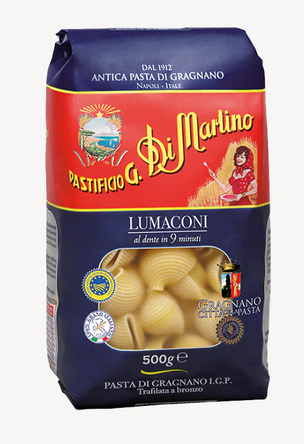
In 2013, Pasta di Gragnano became the first pasta worldwide to receive the IGP designation (Indicazione Geografica Protetta — Protected Geographical Indication). This EU-wide quality label guarantees that the pasta is produced in Gragnano, made exclusively from high-quality durum wheat semolina, drawn through bronze moulds, and produced with local water.
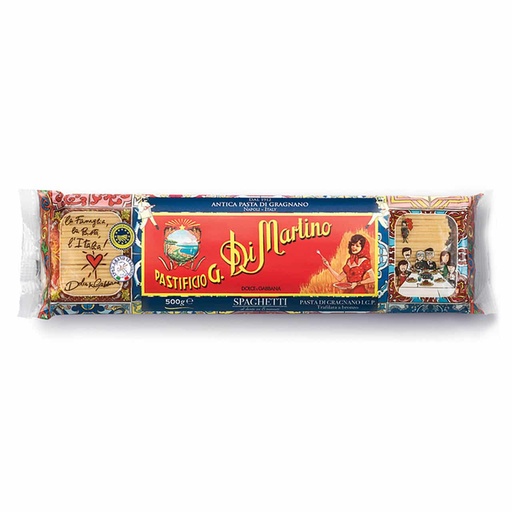
The IGP label is not a marketing claim — it is a strictly controlled designation of origin. Every production step is monitored and certified. For hospitality professionals, the label provides concrete assurance of receiving a genuine premium product. LAPA carries Pasta di Gragnano IGP in various formats, enabling you to offer your guests the very finest of Italian pasta tradition.
How to Identify Quality Pasta: 5 Definitive Markers
Not every pasta marketed as “premium” delivers on its promise. These five markers allow you to identify genuine quality with confidence.
- Matte, rough surface: Genuine bronze-drawn pasta is never shiny or smooth. Hold it up to the light — it should appear matte with a visibly rough, slightly porous surface. Shiny pasta was drawn through Teflon moulds.
- “Trafilata al bronzo” on the packaging: Reputable manufacturers clearly mark their pasta with the designation trafilata al bronzo or trafilatura al bronzo. If this label is absent, Teflon moulds were almost certainly used.
- Protein content of 13–14% or higher: A high protein content signals quality durum wheat semolina. Check the nutritional label: 14% protein or above indicates first-class raw material. Budget pasta typically contains only 10–11% protein.
- Origin designation, ideally Gragnano IGP: The more specific the origin, the stronger the quality signal. The IGP label from Gragnano represents the highest guarantee, though regions like Abruzzo and Puglia also produce excellent artisanal pasta.
- Drying time indicated: Quality-focused manufacturers state the drying time on the packaging. Look for “essiccazione lenta” (slow drying) or specific time indications. The longer the drying process, the higher the quality.
Every pasta in the LAPA range meets all five criteria. We select our suppliers carefully and verify every product for authenticity and quality — so you do not have to.
Which Pasta Shape for Which Sauce?
In Italian cuisine, pairing the right pasta shape with the right sauce is not preference — it is science. Here are the fundamental rules every hospitality professional should know.
- Spaghetti and linguine: Ideal for oil-based sauces such as aglio e olio, vongole, or light tomato sauces. The long, slender shapes envelop delicate sauces perfectly.
- Penne and rigatoni: Perfect for robust ragù, arrabbiata, or chunky sauces. The tubular shape captures sauce inside, while the ridges grip it on the outside.
- Fusilli and farfalle: Excellent for pesto, cream sauces, or cold pasta salads. The spirals and folds provide maximum surface area for creamy sauces.
- Orecchiette and conchiglie: Ideal for vegetable sauces, broccoli, or chunky preparations. The shell-shaped cavity cradles small pieces in place.
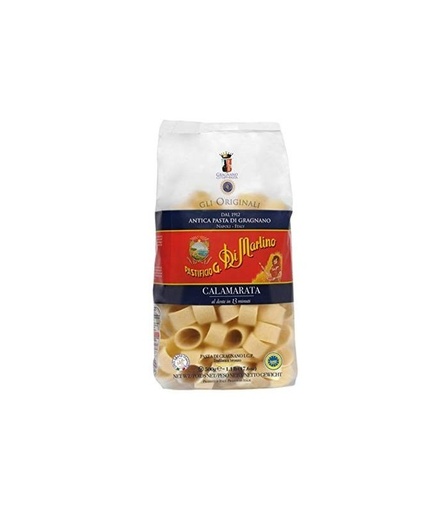
- Paccheri and calamarata: Perfect for rich seafood sauces or thick ragù. The generous tubes accommodate sauce beautifully.
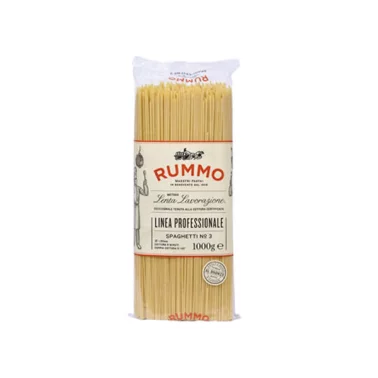
With bronze-drawn pasta, each of these pairings performs even better — the rough surface amplifies sauce adhesion across every format. LAPA offers all major formats in premium quality: from classic spaghetti to regional specialities like paccheri di Gragnano.
LAPA: Your Source for Artisanal Italian Pasta
At LAPA, pasta is not simply a product — it is a piece of Italian culture we are proud to deliver. We work exclusively with producers who honour traditional methods: bronze moulds, slow drying, and first-class durum wheat semolina. Our pasta comes from renowned manufacturers in Gragnano, Abruzzo, and other tradition-rich regions of Italy.
As a specialist supplier for Switzerland’s hospitality industry, LAPA understands what restaurants, hotels, and catering businesses need: products you can rely on, consistently high quality, dependable delivery, and a range that leaves nothing to be desired. With over 3,000 Italian products and same-day delivery for orders placed by 05:00 in German-speaking Switzerland (1–3 working days in Romandie and Ticino), LAPA is your partner for authentic Italian cuisine.
In our range, you will find Pasta di Gragnano IGP alongside artisanal pasta from small-batch producers. Every product is carefully selected to meet the highest quality standards. Whether you operate an Italian restaurant, a hotel with fine dining, or a catering service — at LAPA, you will find the pasta that makes the difference on the plate.
Explore our complete pasta range at lapa.ch. Place your order today and experience the difference that genuine artisanal pasta makes in your kitchen. Or call us at +41 76 361 70 21 for a personal consultation. LAPA delivers quality you can count on.