Last updated: 28 May 2026
In 30 seconds: what are Sicilian cannoli?
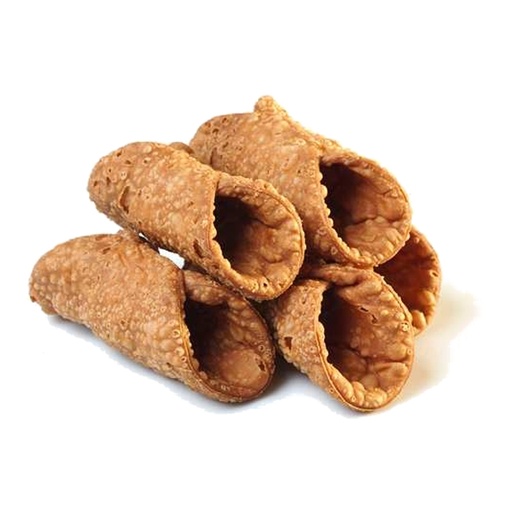
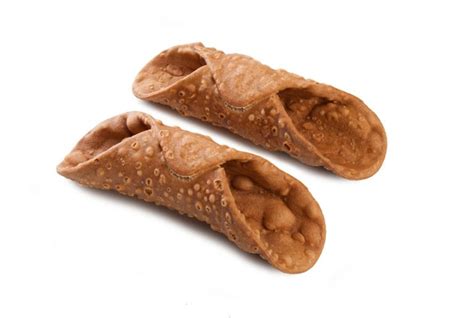
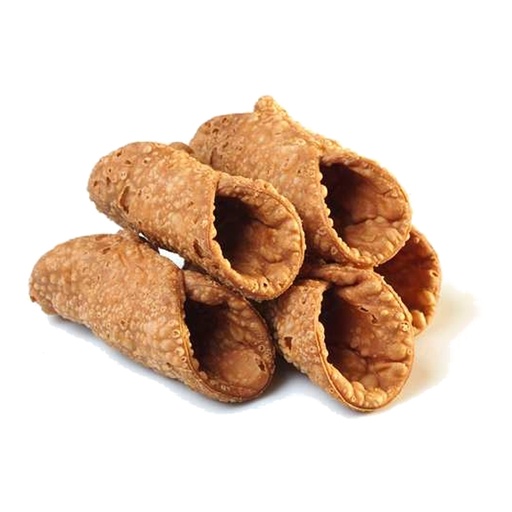
Sicilian cannoli are the icon of Palermo and Sicilian pastry: a crisp fried shell (the scorza) rolled into a tube, filled at the moment of service with sweetened sheep ricotta. The original Palermo recipe uses only sheep ricotta, icing sugar and a hint of cinnamon or vanilla; the ends are studded with candied orange, chocolate chips or chopped Bronte pistachio.
The golden rule for a restaurant or pastry shop: fill the shell only at the moment of service. A cannolo filled in advance becomes soggy within 30 minutes. Below you find the comparison table of variants and sizes, the original recipe (shell and ricotta filling), the crispness secret, storage data, an FAQ and where to buy shells, sheep ricotta and ingredients in Switzerland.
Comparison table: cannoli variants and sizes
| Variant / format | Filling | Shell length | Weight per piece | kcal / piece |
|---|---|---|---|---|
| Classic ricotta | Sweetened sheep ricotta | Medium 10-12 cm | 70-90 g | 300-360 kcal |
| Pistachio cannolo | Ricotta + Bronte pistachio cream | Medium 10-12 cm | 80-95 g | 330-390 kcal |
| Chocolate / custard | Pastry cream or chocolate cream | Medium 10-12 cm | 75-90 g | 320-380 kcal |
| Mini cannolo | Ricotta (bite-size) | 4-6 cm | 15-25 g | 60-95 kcal |
| Large cannolo | Ricotta (single portion) | 14-18 cm | 120-160 g | 500-650 kcal |
Origin: Palermo and Sicilian Carnival
The cannolo was born in the area of Palermo and Caltanissetta, originally a Carnival sweet. The Arabic-Sicilian heritage (cane sugar, citrus, almonds) and the Norman convent tradition merged: legend places its invention in the convents around Caltanissetta, where nuns prepared it for Carnival.
Today the cannolo is eaten all year round and is one of the most recognised symbols of Italian pastry in the world. The name comes from canna (cane): originally the shell was wrapped around river cane sections before frying. Today stainless-steel tubes are used.
The crisp shell (scorza): recipe and frying
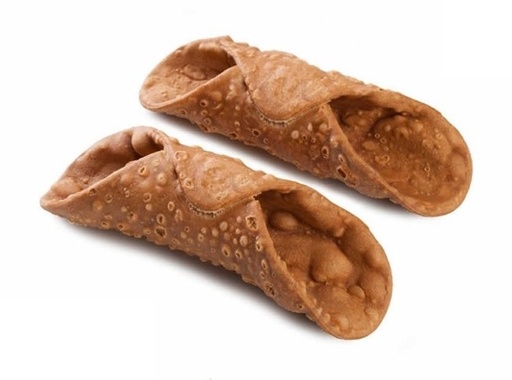
The dough for the shell is made with 00 soft wheat flour, lard (or butter), egg, sugar, a pinch of cocoa or cinnamon, and Marsala wine. Marsala (or white wine vinegar) is the secret to the characteristic bubbles: the alcohol evaporates in the hot oil and creates the blistered, crunchy surface.
The dough must rest at least 1 hour, then be rolled very thin (1-2 mm), cut into discs of 9-10 cm, wrapped around the tube and sealed with egg white. Fry in seed oil or lard at 180 °C for 2-3 minutes until golden and blistered. Cool completely before removing the tube.
The ricotta filling: why sheep ricotta
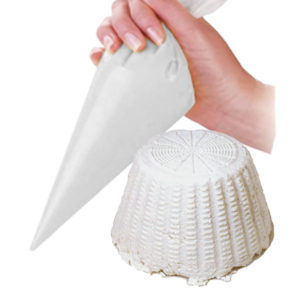
The authentic Palermo filling is sheep ricotta only, with 200 g of icing sugar per 500 g of ricotta. Sheep ricotta has 22-24% fat (against 10-13% of cow ricotta), an aromatic, slightly grassy flavour and a richer texture that holds the cream firm. No butter, no vanilla in the strict Palermo version.
Crucial step: drain the ricotta 12-24 hours in a sieve in the fridge, then sieve it twice to make it velvety. Mix with the sugar and leave to rest 2 hours: the sugar dissolves and stabilises the cream. Only then add chocolate chips or candied fruit, if desired.
The crispness secret: fill at the moment
The number-one enemy of the cannolo is humidity. The moment ricotta touches the fried shell, the moisture starts to soften it. A pre-filled cannolo is soggy in 20-30 minutes. This is why every serious pastry shop fills it only on order.
Two professional protections: 1) brush the inside of the shell with a thin layer of melted dark chocolate and let it set; the chocolate creates a waterproof barrier and buys 2-3 hours. 2) Keep shells and ricotta separate; fill with a piping bag from both ends just before serving. In a restaurant, allow 15-20 seconds per cannolo at the pass.
Storage and foodservice management
Empty shells: 15-30 days in an airtight container, away from light and humidity. Frozen shells: up to 6 months at -18 °C.
Prepared ricotta cream: 2-3 days at +4 °C in a sealed container. Do not freeze the filling once piped (it weeps on thawing).
Filled cannolo: consume within 1-2 hours. With chocolate-lined shell, up to 3-4 hours. Never serve a cannolo filled the day before.
Swiss food cost: 0.80-1.50 CHF per medium cannolo (shell + ricotta). Restaurant selling price: 4.50-8 CHF per piece, 3.50-5 CHF for mini formats.
FAQ: Sicilian cannoli
What are Sicilian cannoli?
A Sicilian pastry made of a crisp fried shell (scorza) rolled into a tube and filled with sweetened sheep ricotta, decorated with candied orange, chocolate chips or pistachio. Born in the Palermo and Caltanissetta area as a Carnival sweet.
What ricotta is used for cannoli?
The original Palermo recipe uses sheep ricotta (22-24% fat), drained 12-24 hours and sieved twice, with 200 g icing sugar per 500 g ricotta. Well-drained cow ricotta is an acceptable substitute; quark and mascarpone are not.
Why must the cannolo be filled at the last moment?
Because the ricotta moisture softens the fried shell: a pre-filled cannolo becomes soggy in 20-30 minutes. Lining the inside of the shell with melted dark chocolate creates a barrier that buys 2-3 extra hours.
How many calories does a Sicilian cannolo have?
A medium classic cannolo (70-90 g) has 300-360 kcal. A mini (15-25 g) 60-95 kcal; a large single portion (120-160 g) 500-650 kcal. Pistachio versions add 30-40 kcal.
How long do empty cannoli shells keep?
Empty shells keep 15-30 days in an airtight container away from humidity, or up to 6 months frozen at -18 °C. The prepared ricotta cream keeps 2-3 days at +4 °C; a filled cannolo should be eaten within 1-2 hours.
What is the difference between cannolo and cassata?
Both are Sicilian and use sweetened sheep ricotta, but the cannolo is a fried tube filled at the moment, while the cassata is a round cake with sponge, marzipan, candied fruit and sugar glaze. The cannolo is crunchy; the cassata is soft.
Where to buy cannoli shells and sheep ricotta in Switzerland?
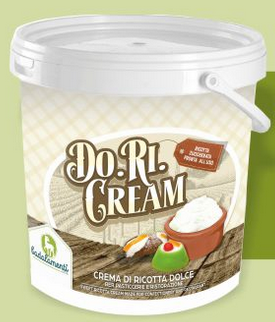
LAPA supplies restaurants, pizzerias and pastry shops throughout Switzerland with ready cannoli shells (mini, medium, large), Sicilian sheep ricotta, frozen ricotta cream, Bronte pistachio cream, candied orange and chocolate chips, with refrigerated delivery 6 days a week.
Can cannoli be made gluten-free or alcohol-free?
Yes. Gluten-free: replace 00 flour with a rice-and-corn-starch blend (the texture is slightly more fragile). Alcohol-free: replace Marsala with white wine vinegar or grape juice plus a little water; the bubbling effect is preserved. The ricotta filling is naturally gluten-free.
LAPA: shells, ricotta and ingredients for cannoli
LAPA is the Italian food wholesaler in Switzerland for restaurants, pizzerias and pastry shops. In the catalogue: ready cannoli shells (mini, medium and large), frozen Sicilian ricotta cream, sheep and cow ricotta, Bronte pistachio cream, candied orange, dark chocolate chips and Marsala wine — everything to make and serve perfect cannoli.
Refrigerated delivery 6 days a week throughout Switzerland. B2B orders on lapa.ch/shop or by phone: +41 76 361 70 21.