Italian Wine Pairing: How to Match Every Dish on Your Menu
Wine pairing is one of the most powerful tools you have to turn a good meal into an unforgettable dining experience. The right wine amplifies the flavours of the dish, balances fats and acidity, refreshes the palate — and leaves guests with a lasting impression they associate with your restaurant.
Key figure: Wine accounts for an average of 28% of total revenue in an Italian restaurant, with margins ranging from 60% to 75%. A well-structured wine list is not a formality — it is a strategic revenue driver.
The 7 golden rules of food-wine pairing
Rule 1: Match by weight and intensity
The wine must share the character of the dish. A delicate sea bass fillet calls for a light white — not a full-bodied Barolo. A slow-braised beef demands structure and tannins. Light dishes → light wines. Robust dishes → robust wines.
Rule 2: Counter fat with acidity and tannins
Rich, fatty dishes need a wine that “cleans” the palate with every sip. Animal fats (guanciale, lardo, aged cheese) → tannic reds. Fried foods → sparkling whites or dry bubbles. Without this balance, the palate saturates and guests order less.
Rule 3: Regional affinity (the Italian tradition)
“What grows together, goes together”: the secret of Italian cuisine. Pasta alla Norma (Sicily) pairs with Nero d’Avola (Sicily). Carbonara (Lazio) works with Frascati or Cesanese. When you use authentic Italian ingredients — like LAPA products — the terroir tells its own story.
Classic pairings for every course
STARTERS
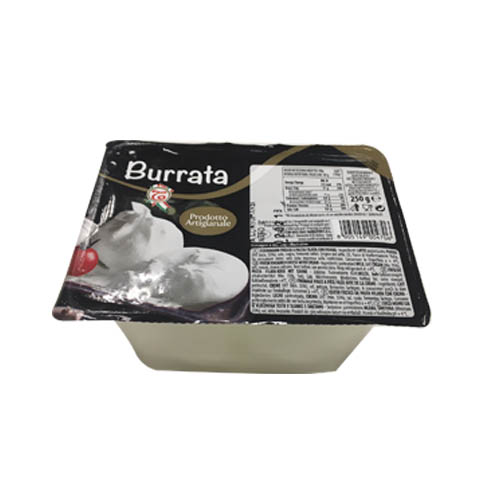
Burrata Pugliese LAPA with Cherry Tomatoes: Creamy, delicate, with that milky heart that opens at the cut. Ideal pairings: Falanghina DOC, Fiano di Avellino DOCG, or a fresh Primitivo Rosé. Three options — all reliable.
PASTA & RISOTTO
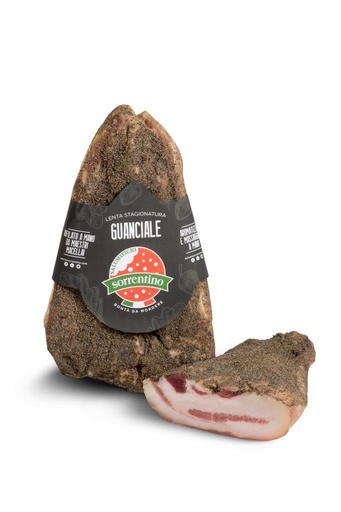
Carbonara Romana (Guanciale LAPA + Pecorino Romano LAPA DOP): The guanciale sizzles in the pan, the pecorino melts with the egg. A dish that deserves a wine from its home territory: Frascati Superiore DOCG or a mineral Verdicchio.
Amatriciana (Guanciale LAPA + San Marzano Tomato): The bright acidity of the San Marzano calls for a red with vivid freshness: Cesanese del Piglio DOCG or Montepulciano d’Abruzzo DOC. Pairings proven over centuries.
MAIN COURSES
Bistecca Fiorentina (Tuscan T-Bone LAPA ~1.3 kg): Golden-crusted outside, pink and juicy at the centre. No compromises here: Brunello di Montalcino DOCG or Chianti Classico Riserva DOCG. A pairing your guests will not forget.
CHEESE
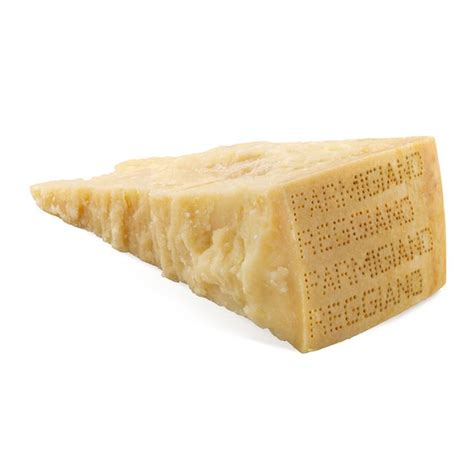
Parmigiano Reggiano LAPA DOP 36 Months: Crystalline granules, persistent aroma, a flavour that evolves on the palate for minutes. Three possible pairings: Lambrusco di Sorbara DOC (sparkling contrast), Barolo DOCG (power against power), Amarone (supreme elegance).
How to build a wine list that sells
Step 1: Start with your menu
Your wine list must mirror your kitchen. Seafood restaurant: 70% whites. Meat-focused trattoria: 70% reds. Pizzeria: 50% light reds and 30% fresh whites. Never carry wines that no dish enhances.
Step 2: The right size
Too many wines overwhelm. Too few disappoint. Pizzeria/Trattoria: 15–25 labels. Mid-range restaurant: 30–50 labels. Fine dining: 80+ with verticals. A curated selection beats an encyclopaedia every time.
Step 3: Wines by the glass (boost sales by 35%)
Offer 6 to 8 wines by the glass and rotate the selection monthly. Glass margin is exceptionally high, and guests who do not want a full bottle still order. Result: +35% average wine revenue.
LAPA products and perfect wine pairings
Guanciale Amatriciano LAPA IGP: Cured, savoury, with that unmistakable pepper note. Ideal pairing: Frascati Superiore DOCG or Cesanese del Piglio DOCG. Authentic Rome on your plate.
Burrata Pugliese LAPA: Creamy inside, delicate outside. Born in Puglia — and Puglian it stays in the pairing: Primitivo Rosé, Falanghina DOC, Fiano di Avellino DOCG. Southern Italy in one bite and one sip.
All LAPA products are available at shop.lapa.ch — over 3,000 authentic Italian references, delivered across Switzerland (same day for orders by 05:00 in German-speaking Switzerland, 1–3 working days in Romandie and Ticino), with no minimum order. Questions? Call us: +41 76 361 70 21.
Frequently Asked Questions (FAQ)
What is the most important rule in food-wine pairing?
Match by weight and intensity. This principle works in 80% of cases. If you are not sure where to start, this is your reliable foundation. Experience adds the regional nuances.
How many wines should I carry?
30 to 50 labels is the sweet spot for a mid-range restaurant. A carefully curated, navigable list convinces far more than an overwhelming catalogue.
Is it worth offering wines by the glass?
Absolutely. Wine sales rise by 30 to 35% and glass margin is among the highest on the menu. Guests who skip a bottle still drink — and often order a second glass.
Conclusion: The right pairing makes all the difference
Wine pairing is not just a matter of gastronomy — it is a strategic lever for your restaurant. 28% of revenue, margins of 60–75%, more satisfied guests who return.
With authentic DOP/IGP ingredients from LAPA, your dishes already tell a story. The right wine brings it to a close. Together, they create the experience your guests remember for years.
LAPA: over 3,000 authentic Italian DOP/IGP products. Premium ingredients deserve premium pairings. Ordered by 05:00, delivered the same day in German-speaking Switzerland (1–3 working days in Romandy and Ticino). Order at shop.lapa.ch or call +41 76 361 70 21