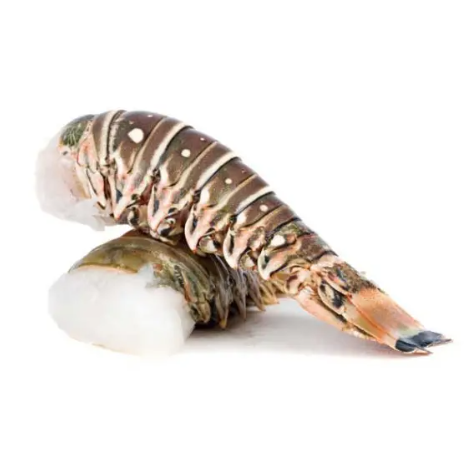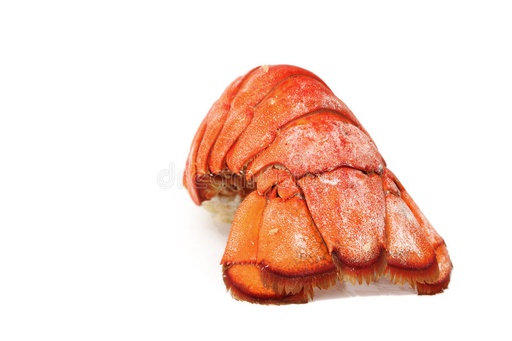
Italy, with its sun-drenched Mediterranean coastline, boasts one of the world's richest seafood culinary traditions. Among its marine treasures, lobster has always held a place of honor. The APOLLINE MIGNON CODE DI ARAGOSTA CRT 8KG BADAL are a contemporary preparation, yet their essence is rooted in centuries of reverence for this noble crustacean — a symbol of celebration, refinement, and unforgettable dining experiences.
"The sea, once it has cast its spell on you, holds you forever in its net of wonder."
📍 Origin and History
Region: Italian Mediterranean Coast (Sardinia, Sicily, Campania, Puglia, Liguria)
Period: Ancient consumption (Roman era), modern preparation (20th–21st century)
Lobster has graced Italian waters since antiquity, prized by the Romans as a delicacy reserved for the finest banquets. Over the centuries, it has starred on noble tables and at Renaissance feasts — a testament to its enduring status as the ultimate luxury ingredient. The tradition of serving lobster whole or in elaborate preparations runs deep in coastal regions. The specific form of breaded mignon tails is a more recent innovation, designed for practicality and modern dining styles while honoring this timeless classic.
🏛️ Tradition
Traditionally, lobster in Italy has been prepared to showcase the delicacy of its meat: poached and served with simple sauces like citronette, grilled over open flames, or as the star ingredient in risottos and pasta dishes — think of the iconic Aragosta alla Catalana from Sardinia or a rich, aromatic lobster bisque. Breading, a technique widely celebrated in Italian cuisine for fish and vegetables (as in the beloved Fritto Misto), becomes a modern reinterpretation for lobster — allowing you to enjoy it as an elegant finger food or a quick, impressive appetizer.
Lobster has always been a symbol of opulence, celebration, and special occasions in Italian gastronomic culture. Not an everyday food, but reserved for celebrations and moments of significance — adding a touch of exclusivity to any menu.
⚙️ Production
The production of modern Mignon Lobster Tails combines the selection of premium lobster tails with precise preparation techniques for guaranteed consistency. After cleaning and portioning, the tails are dipped in a light batter and coated with crispy breading, then pre-fried or pre-cooked and flash-frozen. This process locks in the freshness and full flavor of the lobster, delivering a product that's ready in minutes — golden and crispy on the outside, tender and succulent on the inside.
Unique Characteristics:
- Premium quality lobster tail selection
- Light, crispy breading
- Mignon format — perfect for finger food and appetizers
- Quick and easy to prepare
💡 Did You Know...
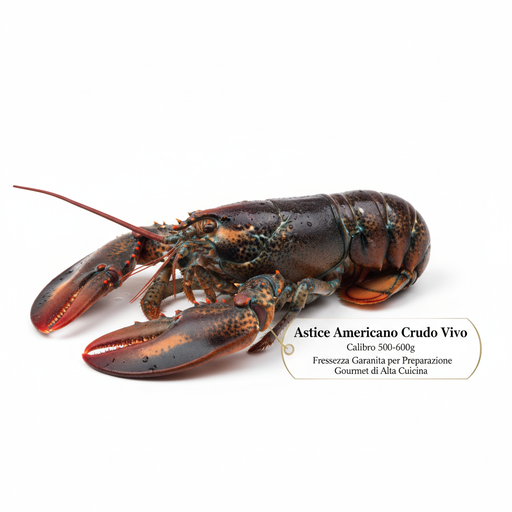
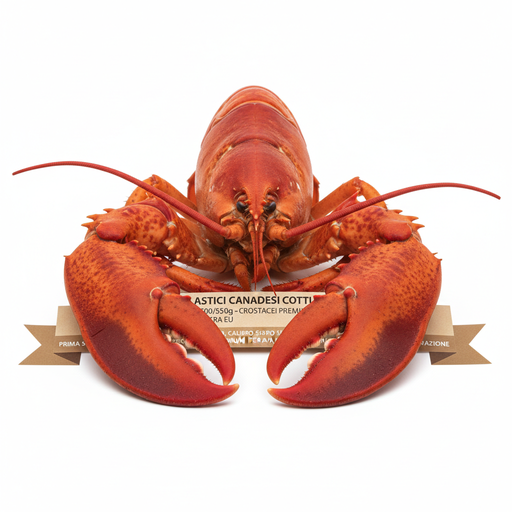
- The most common lobster species in the Mediterranean is the *Palinurus elephas*, easily recognized by the absence of large claws and its striking color that ranges from reddish-brown to deep purple.
- In ancient times, lobster was considered such a prized delicacy that in certain eras it was reserved exclusively for nobility and the elite. Today, this centuries-old luxury is within your reach.
- In Sardinia, lobster stars in iconic dishes like the Aragosta alla Catalana which, despite its Catalonia-evoking name, is a quintessential island preparation with fresh onions, ripe tomatoes, and crisp celery — a burst of Mediterranean flavor.
🍽️ Recommended Pairings
- Dry, crisp white wines (Vermentino di Sardegna, Greco di Tufo, Fiano di Avellino)
- Delicate citrus-based sauces (lemon mayonnaise, light tartar sauce)
- Fresh salads with arugula and cherry tomatoes
🛍️ Scopri APOLLINE MIGNON CODE DI ARAGOSTA CRT 8KG BADAL
This product is available in our catalog! Contact us at +41 76 361 70 21 to place your order.
Discover the LAPA Catalog