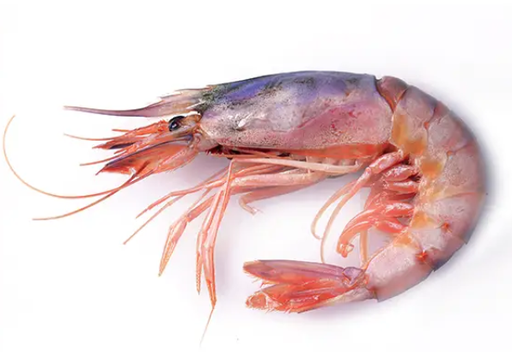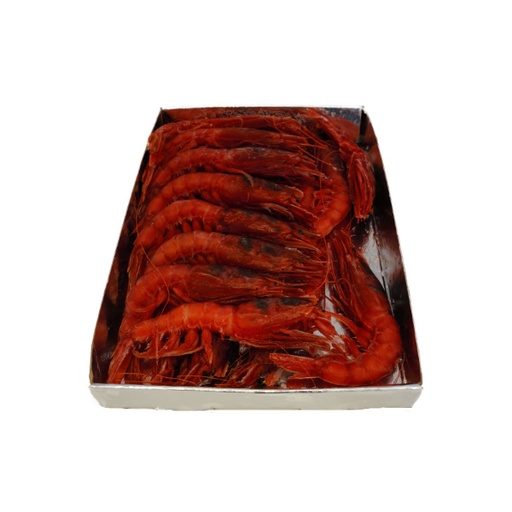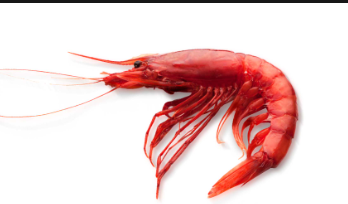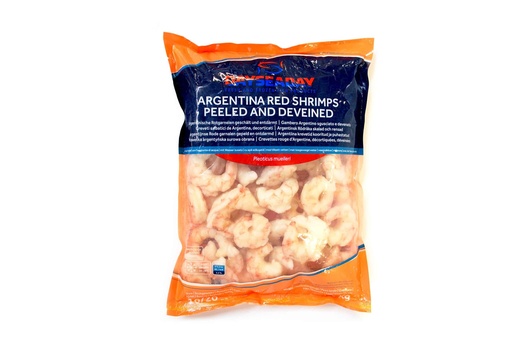
Red prawn (gambero rosso) is one of the most prized crustaceans in Italian cuisine: a deep-red shrimp with sweet, almost candied flesh, eaten above all raw. For restaurants the real choice is between three families: Mediterranean red prawn (Sicily), Argentine red shrimp and the giant Carabineros. Each has a flavour, a price and an ideal use of its own.
What is red prawn and why is it so prized?
Red prawn owes its fame to a naturally sweet, delicate flesh and a head rich in coral and juices that concentrate the flavour of the sea. The most celebrated is the Mediterranean red prawn of Mazara del Vallo, in Sicily, a benchmark of Italian fine dining. Because the sweetness is at its peak before cooking, top kitchens serve it raw, dressed simply with oil, salt and lemon.
Mediterranean, Argentine or Carabineros: what are the differences?
The Mediterranean red prawn (FAO 37) is the most refined and the most expensive: intense, briny, perfect raw. The Argentine red shrimp, Pleoticus muelleri (FAO 41), is already red when raw, slightly milder and far more affordable, ideal for pasta and volume service. The Carabineros is the giant of the group, with an extremely intense flavour and a coral-packed head made for sauces and showpiece plates.
| Type | Origin (FAO) | Flavour | Best for |
|---|---|---|---|
| Mediterranean / Sicily | Mediterranean (FAO 37) | Intense, briny, sweet | Raw, carpaccio, fine dining |
| Argentine red shrimp | SW Atlantic (FAO 41) | Sweet, more delicate | Pasta, risotto, volume |
| Carabineros (imperial) | Atlantic / deep Mediterranean | Very intense, coral-rich head | Bisque, grill, showpiece dishes |
Can you eat red prawn raw, and how do you serve it?
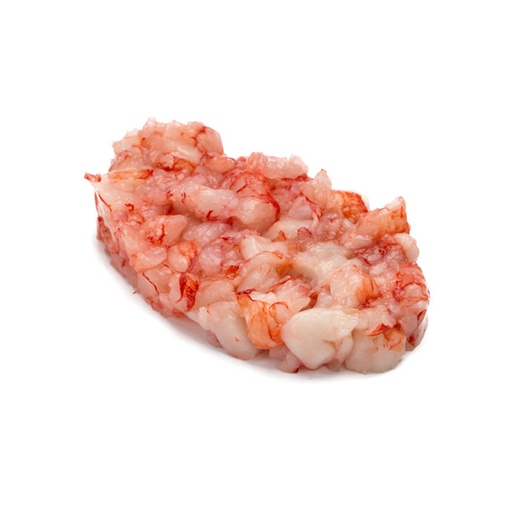
Yes, and raw is where it shines. The classic preparations are crudo (raw, with oil, salt and a few drops of lemon), tartare, and carpaccio. It is also superb in raw-finished pasta, where the prawn is added off the heat so it barely warms through and keeps its silky texture. The golden rule: the less you cook it, the more you taste the sea.
How do you choose quality red prawn for a restaurant?
Look at three things: size, origin and freezing. Size is given as a count per kilo (for example 8/12 means 8 to 12 large prawns per kilo); the lower the numbers, the bigger the prawn. For raw service, choose product frozen at sea or properly blast-frozen: under EU rules, crustaceans destined to be eaten raw must be deep-frozen to neutralise parasites. A clean iodine smell and firm, glossy flesh are the marks of a fresh batch.
How much red prawn should you plan per person?
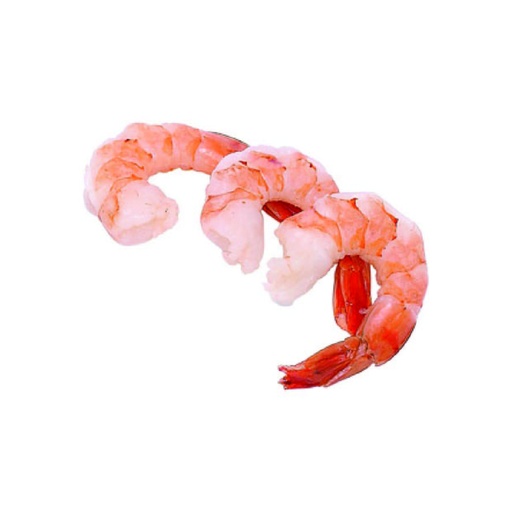
As a guide, plan 3 to 4 whole large prawns per person for a raw appetiser, or about 80 to 100 grams of peeled tails for a pasta or risotto course. Remember that whole prawns lose weight once head and shell are removed, so buy by yield, not just by gross weight. The heads are gold: keep them to make a bisque or to finish a sauce.
Frequently asked questions
What is the difference between Mediterranean and Argentine red prawn?
The Mediterranean prawn (FAO 37) is more intense and refined and costs more; the Argentine (Pleoticus muelleri, FAO 41) is sweeter, more delicate and far more affordable, making it ideal for pasta and high-volume service.
Is it safe to serve red prawn raw?
Yes, provided it has been deep-frozen as required by EU food-safety rules for crustaceans eaten raw. Product frozen at sea or properly blast-frozen is both safe and excellent for crudo and tartare.
Where can I buy red prawn for my restaurant in Switzerland?
LAPA supplies restaurants across Switzerland with Mediterranean, Sicilian, Argentine and Carabineros red prawn, whole or peeled, with refrigerated delivery and no minimum order.
Bring red prawn to your summer menu
A raw red prawn is the kind of dish guests photograph and remember. Choose the right type for your menu and your margin: Mediterranean for the signature crudo, Argentine for pasta and volume, Carabineros for the showstopper. See LAPA's red prawn selection or call +41 76 361 70 21. Refrigerated delivery, no minimum order.
Last updated: 15 June 2026