


Last updated: 28 May 2026
In 30 seconds
Fresh pasta contains around 30% moisture, cooks in 2-4 minutes, lasts 3-5 days and is made from type 00 flour and eggs: ideal for ragù, stuffed pasta and lasagne. Dried pasta has less than 12.5% moisture, lasts 24-36 months, cooks in 8-15 minutes and is made from durum wheat semolina and water: perfect for tomato, oil, carbonara and amatriciana sauces.
They are not alternatives but different tools: a professional kitchen always keeps both in the pantry. The difference is not about quality but about technical use: porosity of fresh pasta to absorb, structure of bronze-extruded dried pasta to hold the sauce al dente.
Comparison table: fresh pasta, dried pasta, egg sheet
| Feature | Fresh pasta | Dried pasta | Egg sheet (sfoglia) |
|---|---|---|---|
| Ingrédients | Type 00 flour + fresh eggs | Durum wheat semolina + water | Type 00 flour + eggs (min. 4 per kg) |
| Moisture | ~30% | < 12.5% | ~28% |
| Shelf life | 3-5 days refrigerated / 60 days frozen | 24-36 months at room temperature | 3-5 days refrigerated |
| Cooking time | 2-4 minutes | 8-15 minutes | 1-2 minutes (lasagne 20' baked) |
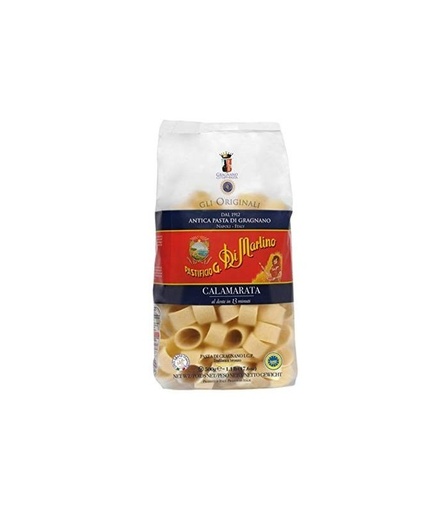
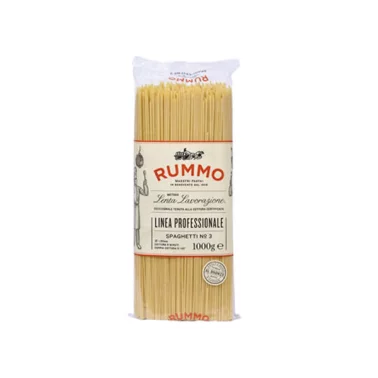
| Typical formats | Tagliatelle, pappardelle, ravioli, tortellini | Spaghetti, penne, rigatoni, fusilli, paccheri | Lasagnes, cannelloni, rotolo |
| Origin region | Emilia-Romagna, Piedmont | Campania (Gragnano), Apulia, Abruzzo | Emilia-Romagna |
| Price CHF/kg (wholesale) | 9-18 CHF | 5-14 CHF (artisan up to 25) | 11-20 CHF |
| Ideal use | Ragù, butter-sage, fillings | Tomato, oil, emulsions, pesto | Baked lasagne, stuffed pasta |
Fresh pasta: porosity that absorbs sauce
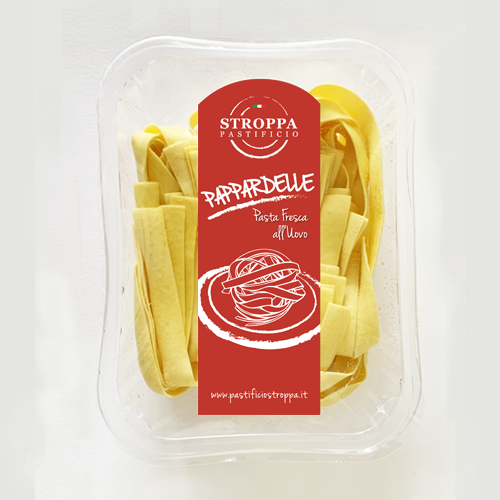
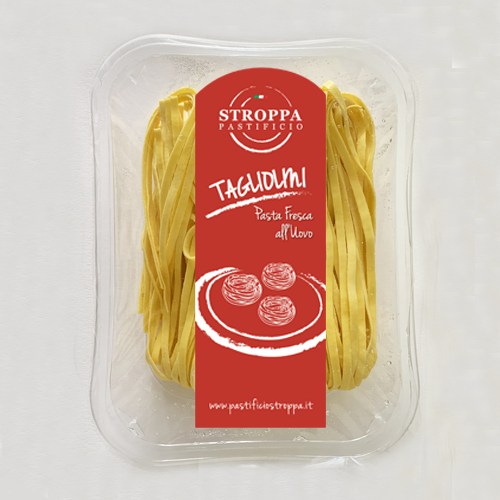
Fresh egg pasta is soft, porous, slightly irregular. This porosity is what makes it perfect for meat ragù: the sauce does not slip off, it is absorbed. A Bolognese egg tagliatella becomes one with the sauce in the mouth.
In the professional kitchen it offers two huge advantages: 2-4 minute cooking (useful during service) and higher plate yield. The downside is shelf life: 3-5 days refrigerated, or shock-frozen at -18°C within 24 hours of production.
When to use it: tagliatelle al ragù, pappardelle al cinghiale, pumpkin ravioli with butter and sage, tortellini in broth, baked lasagne, stuffed cannelloni.
Dried pasta: structure that holds the dish
Dried semolina pasta is a technical product. The difference comes from the production method: bronze extrusion (rough surface that binds sauce) and slow low-temperature drying (24-48 hours under 50°C) to preserve proteins and bite.
An industrial Teflon pasta shows at first taste: glossy surface, sauce slipping off, weak gluten. A Gragnano DOP pasta, by contrast, withstands 30 seconds of overcooking without falling apart. For a restaurant under service pressure, that is a guarantee.
When to use it: spaghetti aglio olio e peperoncino, rigatoni alla carbonara, bucatini all'amatriciana, penne all'arrabbiata, paccheri ai frutti di mare, cold summer pasta.
Egg sheet (sfoglia): the third format often forgotten
The egg sheet is a category of its own: rolled thin (0.8-1.2 mm), made to be baked or filled. For a restaurant that produces lasagne, cannelloni, rotolo or homemade stuffed pasta, ready egg sheets are a quality shortcut: same result as artisan, no hours at the rolling pin.
LAPA distributes egg sheets from Emilian pasta makers in 12-14 cm sheets, frozen or fresh, ready to layer.
Bronze vs Teflon extrusion: what really matters
The die is the metal mould the dough is pushed through. The bronze one scratches the surface and creates micro-roughness: the sauce sticks. The Teflon one produces a smooth, glossy pasta, cheaper to make but with no binding power.
Quick kitchen test: drop five rigatoni in tomato sauce, stir, lift with tongs. If the sauce stays evenly attached, it is bronze. If it drips off, it is Teflon.
FAQ
Is fresh pasta better than dried pasta?
No. They are two different products for different uses. Fresh is better with ragù and fillings, dried is better with tomato, oil and liquid-based sauces. A serious Italian restaurant keeps both in stock and uses each according to the dish, not by perceived value.
How long does fresh pasta keep?
Vacuum-packed fresh egg pasta: 21-30 days refrigerated at +4°C. Open artisan fresh pasta: 3-5 days. Frozen fresh pasta: 60 days at -18°C. Stuffed pasta has shorter timings because of the filling: always check the label.
Why does artisan dried pasta cost three times more than supermarket pasta?
Bronze extrusion, 24-48 hour slow drying (versus 4 hours industrial), 100% Italian semolina with high protein content. The price reflects the time: a Gragnano pasta costs 8-14 CHF/kg wholesale versus 2-3 CHF/kg industrial. The difference on the plate is worth the difference per kilo.
What are the most used Italian pasta types in restaurants?
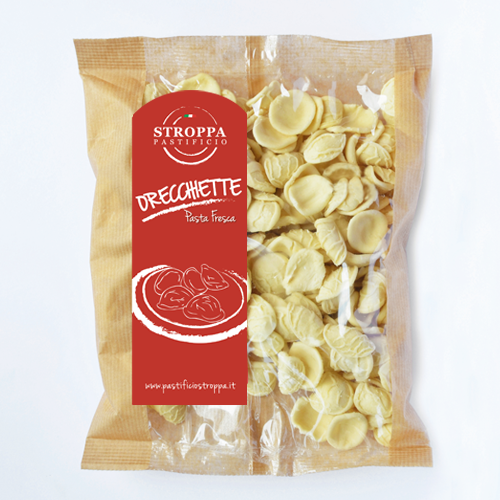
Six formats cover 90% of menus: spaghetti, penne rigate, rigatoni, fresh tagliatelle, fusilli and paccheri. Adding bucatini, linguine, orecchiette and ravioli covers practically every regional need. See all formats in the LAPA shop.
Can you cook fresh pasta straight from the freezer?
Yes, this is actually the recommended method for long and stuffed pasta. Boiling salted water, pasta still frozen, 1-2 minutes more than thawed. Do not thaw beforehand: thawed fresh pasta becomes sticky and loses structure.
Fresh vs dried pasta: which absorbs less water during cooking?
Dried absorbs more water because it starts from under 12.5% moisture and must rehydrate. Fresh, already at 30% moisture, takes less water and less time. For restaurants this means: dried needs larger pots and longer times, fresh is faster but must be served immediately.
Which pasta for carbonara?
Rigatoni or spaghetti, always dried and bronze-extruded. The egg-and-guanciale cream needs a rough surface to grip. Fresh egg pasta, paradoxically, does not work here: too soft, and the egg in the sauce blends with the egg in the dough.
What does Gragnano IGP pasta mean?
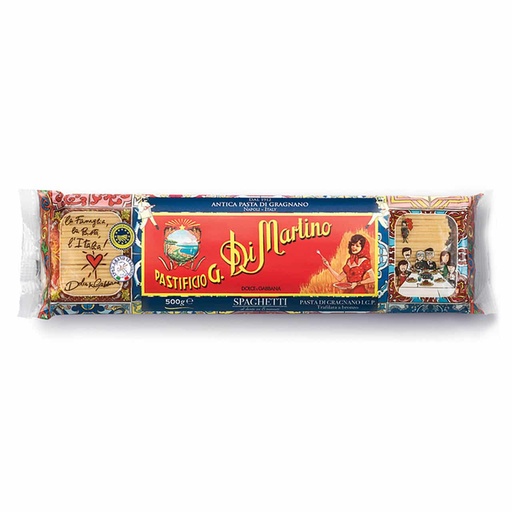
Pasta di Gragnano IGP is a European protected mark reserved for pasta produced in the municipality of Gragnano (Naples) with 100% Italian durum semolina, local aqueduct water, bronze extrusion and drying between 6 and 60 hours at max 80°C. It is the global reference standard for dried pasta.
LAPA: Italian pasta for restaurants in Switzerland
LAPA has been an Italian food wholesaler in Switzerland since 2016. Over 3,000 references, delivery in 24-48 hours across the country, no minimum order. For pasta we work directly with pasta makers in Gragnano, Emilia-Romagna and Apulia: bronze-extruded dried pasta, fresh egg and stuffed pasta, ready sheets, specialty formats unavailable in retail.
Want to build the pasta section of your restaurant menu? Browse the catalogue at lapa.ch/shop or call our sales office at +41 76 361 70 21: we will help you choose the right formats for your menu and your guests.