


Last updated: 10 June 2026
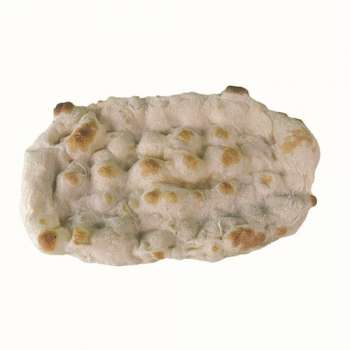
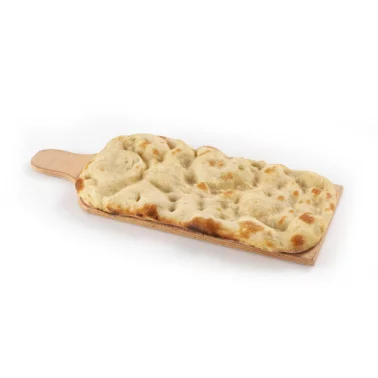
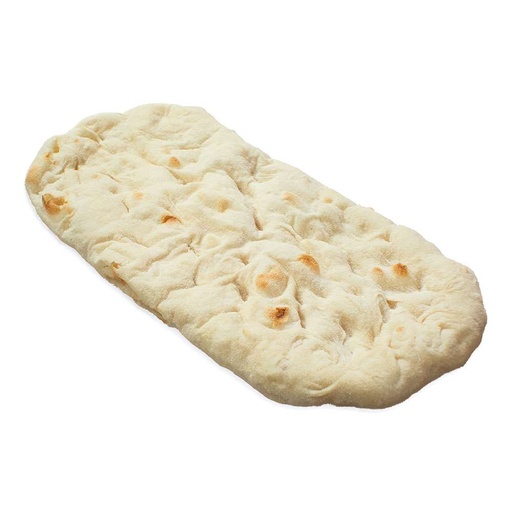
Pinsa romana is an oval flatbread made from a high-hydration dough (around 80% water) of wheat, rice and soy flour with sourdough, fermented for 24 to 72 hours. The result is lighter, crispier outside and airier inside than classic pizza — and with precooked bases, any kitchen can serve it in about 90 seconds.
What is pinsa romana?
The name comes from the Latin pinsere, "to press and stretch": the dough is pressed out by hand into its typical oval shape. The modern recipe was codified in Rome in 2001 by the miller Corrado Di Marco, who combined wheat flour with rice flour (which binds water and gives crispness) and soy flour (which adds structure). Thanks to the long cold fermentation and the very small amount of yeast and fat, pinsa is widely perceived as easier to digest than traditional pizza — one of the main reasons it has spread from Roman pinserie to menus across Europe, including a growing number of Swiss restaurants.
What is the difference between pinsa and pizza?
Pizza and pinsa are cousins, not twins. Classic pizza dough uses wheat flour only and a hydration of roughly 55–65%; pinsa dough reaches about 80% water and blends three flours. Pizza dough typically rests 8–24 hours, pinsa 24–72. The shape is round versus oval, the bite is soft versus crunchy-then-airy. Here is the comparison at a glance:
| Criterion | Pinsa romana | Classic pizza |
|---|---|---|
| Hydration | ~80% water | ~55–65% water |
| Flours | Wheat + rice + soy, sourdough | Wheat only (usually type 00) |
| Fermentation & digestibility | 24–72 h cold, very light | 8–24 h, richer and denser |
| Prep time with precooked base | ~90 seconds in the oven | Several minutes + dough management |
| Equipment needed | Any oven, no mixer | Pizza oven, mixer, trained pizzaiolo |
Why is pinsa worth it for restaurants?
The business case is the precooked base. A professional pinsa base weighs 230–250 g, keeps refrigerated, and only needs topping and about 90 seconds in a hot oven — no mixer, no 72-hour dough planning, no specialised pizzaiolo on the payroll. That means a bar, a bistro or a hotel kitchen without a pizza station can add a high-perceived-value Italian dish to the menu overnight. Food cost stays predictable because every base is identical and there is zero dough waste; the selling price of a topped gourmet pinsa sits comfortably in pizza territory, so the margin per plate is strong. For pizzerias, pinsa is a menu extension that recruits exactly the guests who say "pizza is too heavy in the evening".
How do you top a pinsa?
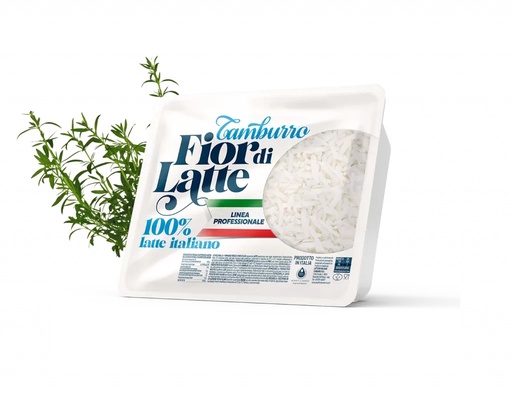
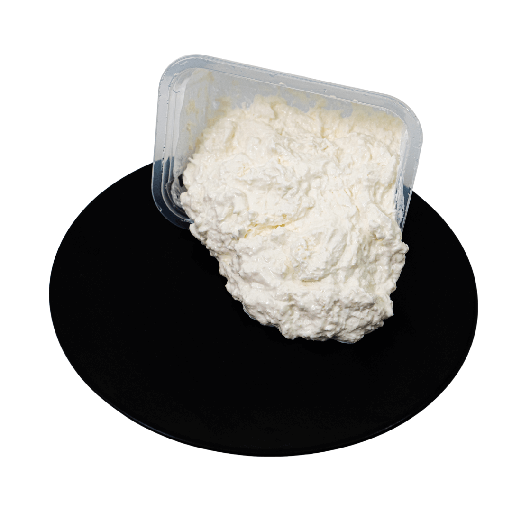
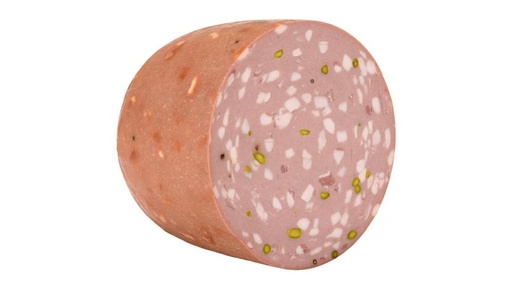
Pinsa loves toppings added after baking, so fresh ingredients keep their character. Three combinations that work everywhere: stracciatella, mortadella with pistachio and lemon zest — the creamy-savoury classic of Roman pinserie; fiordilatte, sausage and friarielli (Neapolitan bitter greens) for a southern, savoury profile; and tomato, fiordilatte and basil for guests who want the familiar margherita feel with a lighter base. Because the base is already cooked, cold toppings go on at the pass: plate-to-table in under two minutes.
Frequently asked questions
Is pinsa healthier than pizza?
It is lighter: the high hydration and 24–72 h fermentation break down more starches, and the dough contains very little fat. Calories per portion are typically lower than an equivalent pizza, though toppings decide the final balance.
Is pinsa gluten-free?
No. The flour mix contains wheat, so classic pinsa has gluten. Rice and soy flours change texture and digestibility, not the gluten content. Dedicated gluten-free versions exist as separate products.
How do you prepare a precooked pinsa base?
Top the base and finish it in a hot oven (around 250 °C) for roughly 90 seconds to 3 minutes, until the edge is golden and crisp. Add delicate ingredients like stracciatella or mortadella after baking. No proofing, no stretching, no mixer.
Where can I buy professional pinsa bases in Switzerland?
LAPA stocks several professional pinsa bases (230–250 g, oval format) plus the classic toppings — stracciatella, fiordilatte, mortadella with pistachio — and delivers refrigerated across Switzerland with no minimum order.
Does pinsa need a special oven?
No. A precooked base finishes perfectly in a standard convection or deck oven. That is exactly why pinsa works in bars, bistros and hotel kitchens that could never run a pizza station.
Put pinsa on your menu this week
Order professional pinsa bases and the matching gourmet toppings from one supplier: browse the LAPA shop or call +41 76 361 70 21. Refrigerated delivery across all of Switzerland.