Last updated: 28 May 2026
In 30 seconds: what is Alchermes?
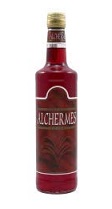
Alchermes is a sweet red spiced liqueur of Florentine origin, born in the apothecaries of the Medici court. It is made by infusing neutral alcohol with cinnamon, cloves, nutmeg, coriander, star anise and vanilla, then sweetening it with sugar syrup and colouring it a vivid crimson. Historically the red came from cochineal (the insect Kermes vermilio, hence the Arabic-derived name). Alcohol content sits at 21-32% vol depending on the producer.
Its main use is in pastry, not as a drinking liqueur: it soaks the sponge of the zuppa inglese, colours the dough of Tuscan pesche dolci ("sweet peaches"), and tints the sponge of the Florentine zuccotto. Below: comparison table, history, spice composition, pastry uses, dosage, storage, FAQ and where to buy it in Switzerland.
Comparison table: traditional vs modern Alchermes
| Characteristic | Traditional Alchermes | Modern / commercial Alchermes |
|---|---|---|
| Alcohol content | 21-32% vol | 21-32% vol |
| Colourant | Natural cochineal (carmine E120) | Often beetroot or E124 (synthetic) |
| Spices | 6-8 spices, long maceration (15-30 days) | Aromas / extracts, fast production |
| Sugar | 250-350 g/L | 250-350 g/L |
| Use | Pastry (soaking, colouring) | Pastry + occasional liqueur |
| Indicative price (CH) | 14-22 CHF / 700 ml bottle | 9-15 CHF / 700 ml bottle |
Origin: Florence, the Medici and the Arabic name
Alchermes was born in Florence between the 14th and 16th centuries, in the apothecaries' workshops that prepared medicinal cordials. The most famous recipe comes from the Officina Profumo-Farmaceutica di Santa Maria Novella, the Dominican friars' pharmacy active since 1612, which still produces it today.
The liqueur became a symbol of the Medici court: it was nicknamed "liquore dei Medici" and reportedly served at the wedding of Catherine de' Medici, who is said to have brought it to France. The name comes from the Arabic al-qirmiz ("the crimson", "the scarlet"), the same root as the words crimson and carmine, referring to the cochineal insect used to obtain the red dye.
Composition: the spices of Alchermes
The aromatic profile of alchermes comes from a blend of warm spices macerated in alcohol for 15-30 days. The classic blend includes: cinnamon (the dominant note), cloves, nutmeg, coriander seeds, star anise, mace, cardamom and vanilla. Some recipes add rose water or orange-flower water.
The red colour is the historical signature. Traditional alchermes used cochineal (carmine, additive E120), a natural pigment extracted from the dried bodies of the Dactylopius coccus insect. Today many industrial producers replace it with beetroot extract or synthetic dyes (E124 Ponceau 4R), which is why cochineal-coloured alchermes is not vegetarian or vegan, while versions with plant dyes are.
Uses in pastry: zuppa inglese, pesche dolci, zuccotto
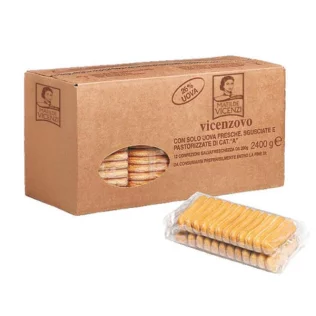
Zuppa inglese. This is the iconic use. Alchermes is diluted with water (ratio 1:1) and used to soak the layers of sponge or savoiardi alternated with vanilla and chocolate pastry cream. Typical dosage: 80-120 ml of diluted alchermes per kg of sponge. The red soak gives the dessert its unmistakable rosy stripe.
Pesche dolci (sweet peaches). Tuscan and Emilian pastry: two half-spheres of soft dough are dipped briefly in diluted alchermes to colour them peach-pink, filled with custard or chocolate cream, joined and rolled in sugar. The alchermes provides both the colour and the spiced aroma that mimics ripe peach.
Zuccotto. Florentine dome-shaped dessert: a sponge shell soaked with alchermes (and sometimes alkermes + Cointreau), filled with ricotta or whipped cream, candied fruit and chocolate. The alchermes both flavours and tints the sponge pink. Other uses: red sponge for layered cakes, cassata siciliana sponge soaking, and tinting marzipan or sugar pastes.
Storage and dosage
Thanks to its alcohol content (21-32% vol) and high sugar level (250-350 g/L), alchermes is very stable. An unopened bottle keeps for years in a cool, dark place. Once opened, store it tightly closed away from light: it keeps 12-24 months without losing aroma. Refrigeration is not required but extends colour stability. Avoid direct sunlight, which fades the red.
Dosage guide for pastry: for soaking, dilute alchermes 1:1 with water or sugar syrup and use 80-120 ml per kg of sponge. For colouring dough (pesche dolci), dip for 2-3 seconds in undiluted alchermes. For a single zuppa inglese (8 portions) you need about 60-80 ml of pure alchermes. As a drinking liqueur it is served chilled in small glasses, 20-30 ml.
FAQ - frequently asked questions about Alchermes
What is alchermes and what does it taste like?
Alchermes is a sweet red spiced liqueur (21-32% vol) of Florentine origin. It tastes warm and aromatic: dominant cinnamon, with cloves, nutmeg, coriander and vanilla, balanced by sweetness. It is mainly used in pastry, not as a drinking liqueur.
Why is alchermes red?
The traditional red comes from cochineal (carmine, E120), a natural dye extracted from the dried Dactylopius coccus insect; the very name derives from the Arabic al-qirmiz (crimson). Many modern brands use beetroot extract or synthetic E124 instead.
What is alchermes used for?
Almost exclusively in pastry: to soak the sponge of zuppa inglese, to colour and flavour pesche dolci, to soak and tint the zuccotto and cassata sponge, and to colour marzipan. It is rarely drunk neat.
How much alcohol does alchermes contain?
Between 21% and 32% vol depending on the producer. The historical Santa Maria Novella recipe is around 21%, while many commercial versions reach 30-32%. The high sugar content masks much of the alcoholic strength.
What can I use instead of alchermes?
For the aroma, mix rum or a neutral spirit with a pinch of cinnamon, cloves and vanilla. For the colour, add a few drops of red food colouring or beetroot juice. For an alcohol-free version, use spiced syrup with red colouring. None fully replicates the original.
Is alchermes vegetarian?
It depends on the colourant. If coloured with cochineal (carmine E120) it is NOT vegetarian or vegan, because it derives from an insect. Versions coloured with beetroot or synthetic dyes (E124) are suitable for vegetarians and vegans. Always check the label.
How much does a bottle of alchermes cost in Switzerland?
A 700 ml bottle costs roughly 9-15 CHF for commercial versions and 14-22 CHF for traditional ones with natural cochineal. Artisan and Santa Maria Novella versions cost more. For foodservice, formats of 700 ml to 1 L are standard.
Where to buy alchermes for restaurants in Switzerland?
LAPA supplies alchermes and Italian pastry liqueurs to restaurants, pastry shops and pizzerias throughout Switzerland, with delivery in 1-3 business days. Order on www.lapa.ch or by phone at +41 76 361 70 21.
LAPA: alchermes and pastry liqueurs in Switzerland
LAPA is the Italian food wholesaler in Switzerland for restaurants, pizzerias and professional pastry shops. In our catalogue you find alchermes, limoncello, rum and marsala for pastry, plus all the ingredients for authentic Italian desserts: sponge bases, pastry cream, candied fruit, Bronte pistachio, Amalfi Coast PGI lemons and fresh dairy.
Delivery within 1–3 working days across Switzerland (Ticino, Romandie, German-speaking Switzerland). B2B orders on www.lapa.ch/shop or by phone: +41 76 361 70 21. Free technical advice for chefs and pastry chefs.