Last updated: 28 May 2026
In 30 seconds: sustainability in Italian foodservice in Switzerland
An Italian restaurant in Switzerland can cut its environmental impact across six concrete levers: food waste reduction (foodservice wastes 12-20% of purchased food, worth 5,000-15,000 CHF/year for a mid-size venue), eco packaging, short and traceable supply chains, seasonality, energy and waste management, and certifications. None of these requires a full renovation: most start with measurement and small operational changes that pay back in 3-12 months.
The second half of the equation is communication: 64% of Swiss diners say sustainability influences their restaurant choice, but only credible, specific, measurable claims build trust. Below: an action table with savings, six detailed sections, an 8-question FAQ, and how LAPA supports a traced, responsible supply chain.
Table of intervention areas: action, benefit and saving
| Area | Concrete action | Benefit / saving |
|---|---|---|
| Food waste | Weigh and log waste for 4 weeks, redesign portions and mise en place | -30 to -50% waste, 3,000-8,000 CHF/year recovered |
| Menu engineering | Cut from 40 to 25 dishes, reuse trimmings (stocks, sauces) | -15% food cost, fewer expired items |
| Packaging | Switch takeaway to certified compostable or recycled fibre | -70% fossil plastic, compliance with 2026 EU/CH rules |
| Short supply chain | Reduce supplier count, choose traceable DOP/IGP origins | -20% transport CO2, full HACCP traceability |
| Seasonality | Rotate menu 4 times/year on seasonal produce | -10 to -25% raw cost, lower carbon intensity |
| Energy | LED, induction, fridge gaskets, night curtains on cold rooms | -15 to -30% kWh, 2,000-6,000 CHF/year |
| Waste sorting | Separate organic, glass, PET, cardboard, used oil | Lower disposal fees, biogas/biodiesel valorisation |
| Communication | Show measured data on menu and social, avoid generic claims | +15% perceived value, fewer greenwashing risks |
Food waste: the biggest and most profitable lever
In professional foodservice, 12-20% of purchased food never reaches a paying plate. It is split into three streams: storage waste (expired or spoiled goods), kitchen waste (over-trimming, prep errors) and plate waste (oversized portions returned uneaten). For a venue buying 200,000 CHF of food a year, that is 24,000-40,000 CHF of pure loss.
The proven method is measure-then-act. Weigh and categorise waste for four weeks with a simple bucket-and-scale system. Most kitchens discover that 2-3 ingredients drive half the waste, usually bread, fresh herbs, and one over-portioned protein. Fixing only those typically cuts waste 30-50% within a quarter.
Practical moves with fast payback: standardise portions with a gram chart, turn trimmings into stocks and staff meals, apply strict FIFO rotation, and use a daily specials board to sell what is closest to expiry. Donation of surplus to local charities is tax-deductible in most Swiss cantons and protected by good-faith liability rules.
Sustainable packaging for food service: what changes in 2026
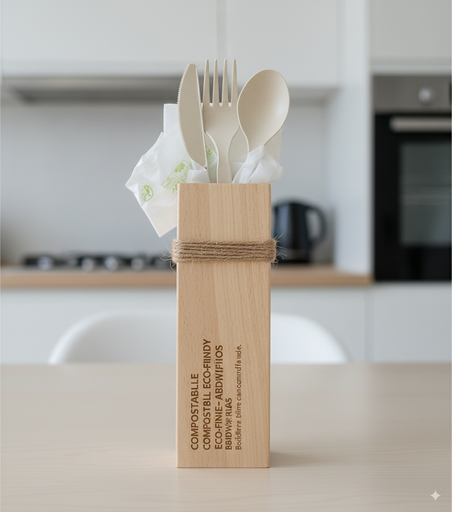
Takeaway and delivery have made packaging a visible part of a restaurant's footprint. Swiss and EU regulation tightens in 2026: single-use fossil-plastic items for on-premise consumption are restricted, and extended-producer-responsibility fees rise. The direct lever is material substitution.
The hierarchy is simple. Reusable beats recyclable, which beats compostable, which beats landfill. For dine-in, reusable deposit systems (such as reCircle in Switzerland) cut waste to near zero. For delivery, certified compostable fibre or moulded pulp replaces expanded polystyrene and black plastic, which Swiss sorting plants cannot read optically.
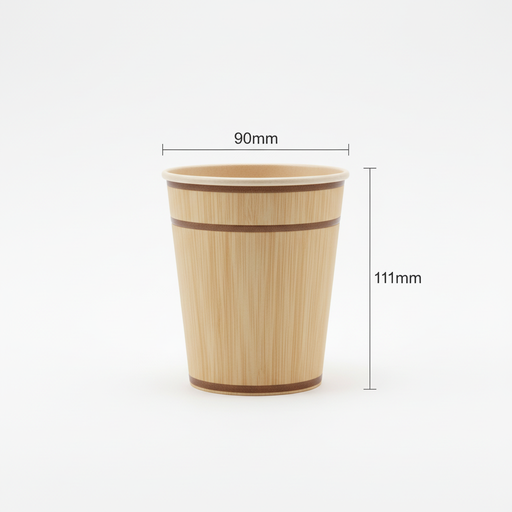
Watch three numbers when sourcing packaging: recycled content (aim for 70%+), certification (OK Compost, FSC, EN 13432) and weight per unit (lighter means less material and lower transport CO2). A switch to recycled fibre typically removes 70% of fossil plastic from the takeaway stream within one season.
Short supply chain and traceability: fewer links, more control
A short supply chain means fewer intermediaries between producer and kitchen. The benefit is double: lower transport emissions and far better traceability. Every additional handling step adds CO2, cost, and a point where the cold chain or the paper trail can break.
For Italian products in Switzerland, traceability is concrete: a DOP, IGP or STG label guarantees origin, method and a documented chain back to the farm. A traceable Parmigiano Reggiano DOP wheel carries a casein plate and a lot number; a San Marzano DOP tomato carries a consortium code. This is exactly the documentation a Swiss HACCP audit wants to see.
Consolidating purchases with one traceable distributor cuts the number of incoming deliveries, which reduces transport CO2 by roughly 20% and simplifies receiving controls. Fewer trucks, fewer invoices, one auditable origin chain.
Seasonality: lower cost and lower carbon at the same time
Seasonal sourcing is the rare lever that improves both margin and footprint. In-season produce is cheaper at peak supply, travels shorter distances, and needs less energy-intensive storage or greenhouse heating. Out-of-season tomatoes or strawberries can carry 5-10 times the carbon of their in-season equivalent.
The operational tool is a four-rotation menu: a core of stable dishes plus a seasonal section that changes with spring, summer, autumn and winter. This also keeps the menu interesting for repeat guests and signals freshness without a marketing claim.
Italian seasonality maps well onto Swiss tastes: spring artichokes and asparagus, summer datterini and basil, autumn porcini and chestnuts, winter cima di rapa and citrus. Building dishes around what is at its peak cuts raw-material cost 10-25% versus a fixed year-round menu.
Energy and waste management: the invisible savings
A professional kitchen is energy-dense: refrigeration, cooking and hot water dominate the bill. The fastest payback measures are unglamorous. LED lighting cuts lighting kWh by 60%; well-maintained fridge gaskets and night curtains on cold rooms cut refrigeration load 10-20%; induction is roughly twice as efficient as gas at the pan. Combined, these typically trim 15-30% off energy use, worth 2,000-6,000 CHF/year.
On waste, separation is the lever. Organic waste sorted into a dedicated stream is valorised into biogas; used frying oil becomes biodiesel and is collected free by licensed handlers in Switzerland; glass, PET and cardboard each have established recycling routes. Mixed waste is the most expensive to dispose of, so every kilo diverted lowers the disposal invoice.
A simple back-of-house audit, cold-room temperature logging, oil-change scheduling and a four-bin sorting station, captures most of the gain without capital expenditure.
Communicating sustainability to the customer without greenwashing
Sustainability only converts into loyalty if it is communicated credibly. The rule is specificity: measured numbers beat adjectives. "We cut food waste 42% in 2025" is trusted; "we love the planet" is ignored or distrusted.
Three channels work for a restaurant. The menu can mark seasonal, DOP/IGP and local dishes with a simple key. The social feed can show the back-of-house reality, the supplier farm, the reusable container system, the waste log. And staff can explain, in one sentence, why a dish is what it is.
Avoid the four greenwashing traps: vague claims without data, certifications that do not exist, highlighting one green item while the rest is unchanged, and irrelevant claims (no plastic straws while everything else is single-use). Swiss consumers, and the 2026 advertising rules, penalise all four.
FAQ — sustainability in Italian restaurants in Switzerland
How much food does a restaurant waste on average?
Professional foodservice wastes 12-20% of purchased food across storage, kitchen and plate. For a venue buying 200,000 CHF/year of food, that is 24,000-40,000 CHF of loss. Measuring waste for four weeks typically reveals that 2-3 ingredients drive half of it.
What is the cheapest sustainability action to start with?
Weighing and logging waste. It costs only a scale and a logbook, reveals where money leaks, and usually cuts waste 30-50% within a quarter once portions and mise en place are corrected. No capital expenditure required.
Is compostable packaging really better than plastic?
Only if it is certified (EN 13432, OK Compost) and actually composted. The full hierarchy is reusable beats recyclable beats compostable beats landfill. For dine-in, reusable deposit systems are best; for delivery, certified fibre replaces fossil plastic and black trays Swiss plants cannot sort.
What does a short supply chain mean for traceability?
Fewer intermediaries means fewer points where the cold chain or paperwork can break, and a documented origin from farm to kitchen. DOP, IGP and STG labels carry consortium codes and lot numbers, exactly the documentation a Swiss HACCP audit requires.
How much can seasonality reduce my costs?
Building dishes around peak-season produce cuts raw-material cost 10-25% versus a fixed year-round menu, while also lowering carbon: out-of-season produce can carry 5-10 times the CO2 of its in-season equivalent due to greenhouse heating and long-distance transport.
What energy savings are realistic for a kitchen?
LED lighting (-60% lighting kWh), maintained fridge gaskets and night curtains (-10 to -20% refrigeration), and induction (twice as efficient as gas) together trim 15-30% off total energy use, worth 2,000-6,000 CHF/year for a mid-size restaurant, mostly without capital expenditure.
How do I communicate sustainability without greenwashing?
Use measured numbers, not adjectives: "we cut waste 42% in 2025" is credible, "we love the planet" is not. Mark seasonal and DOP/IGP dishes on the menu, show the back-of-house reality on social, and avoid vague, false, partial or irrelevant claims.
Can a supplier help make my restaurant more sustainable?
Yes. A traceable distributor consolidates deliveries (-20% transport CO2), provides DOP/IGP documentation for HACCP, offers seasonal and BIO ranges, and supplies certified packaging. Fewer suppliers means fewer trucks, one auditable origin chain and simpler receiving controls.
LAPA: traced supply chain and responsible supplier
LAPA is the Italian food wholesaler in Switzerland for restaurants, pizzerias and professional gastronomy. 3,000+ authentic products, refrigerated delivery 6 days a week, and a direct, documented supply chain with selected Italian producers.
For sustainability, LAPA supports restaurants on every lever: full DOP/IGP/STG traceability with consortium codes and lot numbers for HACCP, 614 BIO products, seasonal Italian ranges, and consolidated deliveries that cut transport CO2 by around 20%. One traceable distributor replaces a dozen scattered suppliers, simplifying both your footprint and your receiving controls.
Orders: lapa.ch/shop or +41 76 361 70 21. Free technical and supply-chain consultancy for chefs and restaurateurs who want to reduce impact and communicate it credibly.