Pandoro di Verona: The Secret Recipe Behind Italy's Most Coveted Christmas Cake
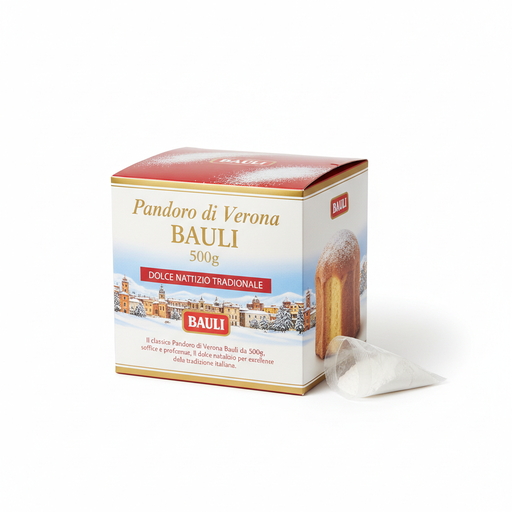
What if your next holiday menu could leave every guest speechless? The pandoro di Verona — Italy's most coveted Christmas cake — is a masterpiece of Veronese pastry craft: an unmistakable eight-pointed star with a golden, impossibly soft crumb. Every slice, dusted with icing sugar like fresh Alpine snow, delivers centuries of tradition in a single, unforgettable bite.
For hospitality professionals in Switzerland, serving an authentic pandoro veronese means delivering a genuine Italian experience your guests will remember. LAPA is your trusted partner: over 2,000 curated Italian products, delivery in 24–48 hours across Switzerland. Premium Italian butter, farm-fresh eggs, certified strong flour and the finest icing sugar — everything you need to create something extraordinary.
Origins and History: 700 Years of Veronese Mastery
The pandoro's story stretches back over 700 years. Its direct ancestor is the nadalin — a star-shaped cake that Veronese families had been baking for Christmas since the 13th century. Shorter and more compact than the modern pandoro, the nadalin was the undisputed centrepiece of every Christmas celebration in Verona.
On 14 October 1894, one man changed pastry history forever. Domenico Melegatti, a visionary Veronese pastry chef, filed a patent for the pandoro with the Italian Ministry of Agriculture. That patent protected both the extraordinarily butter-and-egg-rich recipe and the iconic eight-pointed star shape with vertical grooves, designed by artist Angelo Dall'Oca Bianca.
The name pandoro — literally "golden bread" — was chosen for the intensely golden crumb, achieved through generous egg yolks and exceptional butter. Seven centuries of evolution, from the medieval nadalin to Melegatti's 1894 masterpiece, distilled into every golden slice.
From Nadalin to the Modern Pandoro: A Documented Evolution
While the nadalin was a relatively simple cake with a sweet-bread texture, Melegatti engineered an extraordinarily butter-rich dough requiring three successive rises. This precise technique gives the pandoro its world-renowned lightness and melt-in-your-mouth softness — impossible to replicate with shortcuts.
Pandoro vs. Panettone: Two Distinct Italian Traditions
Two profoundly different cakes. The Milanese panettone features candied fruit and raisins with less butter. The pandoro veronese contains neither candied fruit nor raisins — its entire richness lies in the dough: extraordinarily butter-laden, enriched with generous egg yolks. Traditionally served dusted with icing sugar, evoking fresh snow on the Venetian Alps.
Original Ingredients: Where Quality Makes the Difference
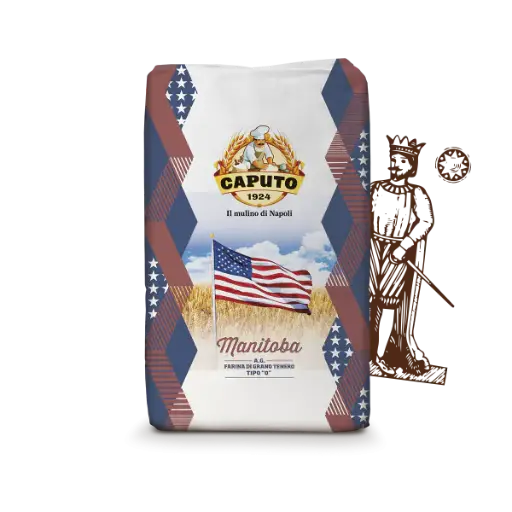
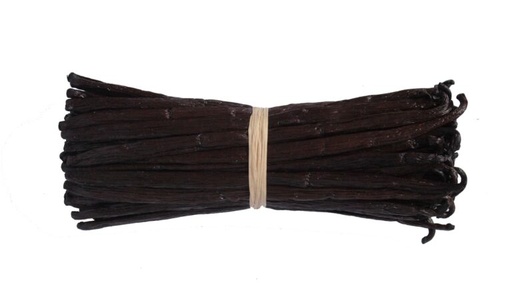
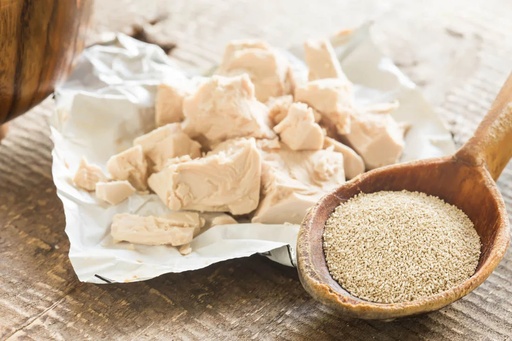
Ingredient quality is the single factor that separates a good pandoro from an extraordinary one. Here is the precise list for approximately 1 kg. First dough: 200 g Manitoba flour W 380–400, 100 g sugar, 80 g soft butter, 4 egg yolks, 10 g fresh yeast, 50 ml lukewarm milk and a teaspoon of honey. Second dough: 200 g Manitoba flour, 100 g sugar, 150 g soft butter, 4 egg yolks, vanilla seeds, lemon zest and 5 g salt. Finishing: vanilla icing sugar generously.
LAPA supplies every ingredient in professional quality: premium Italian butter, fresh eggs from selected farms, certified strong flour and the finest icing sugar. With the LAPA catalogue of over 2,000 authentic Italian products, every pastry chef in Switzerland can access the raw materials for a genuine pandoro veronese. No compromises.
Step-by-Step: Crafting Your Perfect Pandoro Veronese
Crafting the pandoro veronese demands patience, precision and a solid command of fermentation techniques. The process unfolds across multiple phases over 24–36 hours. The reward? A showpiece that will elevate any table.
Phase 1: The First Dough
- Dissolve the yeast in lukewarm milk with acacia honey.
- In a stand mixer with the dough hook, combine flour and dissolved yeast.
- Incorporate egg yolks one at a time at medium speed.
- Add sugar gradually and knead for 10 minutes.
- Add soft butter in small pieces — each portion must be absorbed before the next.
- Knead 15–20 minutes until a smooth, glossy dough forms.
- Cover and let rise at 26–28°C for 10–12 hours until tripled in volume.
Phase 2: The Second Dough
- Gently deflate the first dough and transfer to the stand mixer.
- Add the second dough flour and begin working at low speed.
- Incorporate egg yolks one at a time with vanilla seeds and lemon zest.
- Add sugar and salt gradually.
- Add soft butter in small pieces — each portion must be fully absorbed before the next.
- The dough should be silky, elastic and glossy after at least 20–25 minutes of kneading.
Phase 3: Shaping and Final Rise
- Carefully butter the iconic eight-pointed star mould.
- Place the dough ball in the mould, filling it to one-third.
- Let rise at 28–30°C for 4–6 hours until reaching the rim.
- Do not rush the timing. Never exceed 30°C.
Phase 4: Baking and Finishing
- Bake in a static oven at 170°C for 45–50 minutes on the lower rack.
- Cover with foil after 20 minutes if browning too quickly.
- The pandoro is ready when the internal temperature reaches 94°C.
- Immediately invert the mould onto a rack and cool completely.
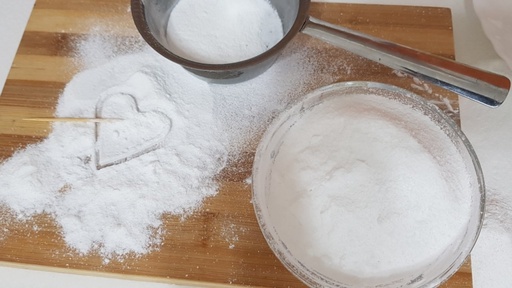
- Dust generously with vanilla icing sugar.
Professional Tips for a Flawless Pandoro Veronese
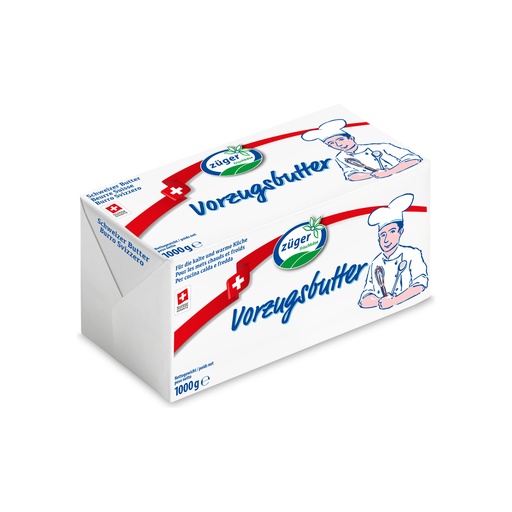
Veronese master pastry chefs guard secrets passed down through generations. The single most critical factor: butter quality. At least 82% fat content and a clean flavour are non-negotiable. LAPA offers professional Italian butters perfect for enriched doughs, with delivery in 24–48 hours across Switzerland.
Temperature is everything. Eggs at room temperature, butter soft but never melted, rising temperature constant between 26 and 30°C. LAPA delivers fresh ingredients in optimal processing condition — directly to your professional kitchen.
The Butter-Rich Dough: The Measurable Secret of Pandoro
The pandoro veronese is defined by its extraordinarily butter-rich dough — approximately 30% of total weight. This exceptional butter-to-flour ratio delivers the pandoro's inimitable texture: soft, melting, incredibly aromatic. Without excellent butter, the pandoro simply loses its identity.
The butter incorporation technique is critical: each piece must be fully absorbed before adding the next. LAPA products — from Italian butter to fresh eggs and strong flour — guarantee the perfect foundation. Avoid the most common mistakes: flour too weak, butter added too fast, forced rise with high temperatures, opening the oven during baking, or failing to invert the pandoro immediately after removal.
Quality Ingredients for Professional Pastry-Making
The difference between a good pandoro and an extraordinary one comes down to ingredient quality. For pastry professionals in Switzerland, LAPA is the ideal partner: over 2,000 authentic Italian products in our catalogue. Certified strong flours, premium Italian butter, fresh eggs and vanilla icing sugar. Delivery in 24–48 hours across Switzerland.
LAPA works exclusively with selected Italian producers, guaranteeing authenticity and full traceability. Whether you run a restaurant, pastry shop, hotel or catering service — LAPA is your source for premium Italian ingredients in Switzerland. Call us: +41 76 361 70 21.
Frequently Asked Questions About the Pandoro di Verona
What is the difference between pandoro and panettone?
The pandoro veronese and the Milanese panettone differ in ingredients, shape and tradition. The pandoro contains neither candied fruit nor raisins, is significantly richer in butter, features the eight-pointed star shape and is served dusted with icing sugar. The panettone is cylindrical, contains candied fruit and raisins, with a less butter-rich dough.
Who invented the pandoro?
The answer is that the pandoro was patented by Domenico Melegatti on 14 October 1894 in Verona. Melegatti developed the recipe starting from the nadalin, a Veronese Christmas cake of medieval origins. The eight-pointed star shape was designed by the artist Angelo Dall'Oca Bianca.
Why does the pandoro have a star shape?
The answer is that the eight-pointed star shape was created by the Veronese artist Angelo Dall'Oca Bianca for Domenico Melegatti. The vertical grooves increase the surface area, promoting even baking and balanced rising. Each horizontally cut slice resembles a star on the Christmas table.
How long does it take to make pandoro?
Preparing the pandoro veronese takes 24–36 hours spread over two days. The first dough requires 10–12 hours of rising, the second dough approximately 30 minutes of work, the final rise 4–6 hours, and baking 45–50 minutes.
How do you store pandoro?
Artisanal pandoro keeps at room temperature for 3–4 days, wrapped in cling film. Do not refrigerate — cold dries out the crumb. For longer storage, freeze whole or in slices for up to 2 months.
What flour is used for pandoro?
The pandoro veronese requires a strong Manitoba flour with a W value between 380 and 400. This high-gluten flour is essential for the extended rise times and generous butter content. LAPA offers certified Italian professional flours ideal for pandoro and all premium enriched doughs.
Explore all ingredients for professional pastry-making in the LAPA catalogue. Delivery in 24–48 hours across Switzerland. Order now at lapa.ch or call: +41 76 361 70 21.