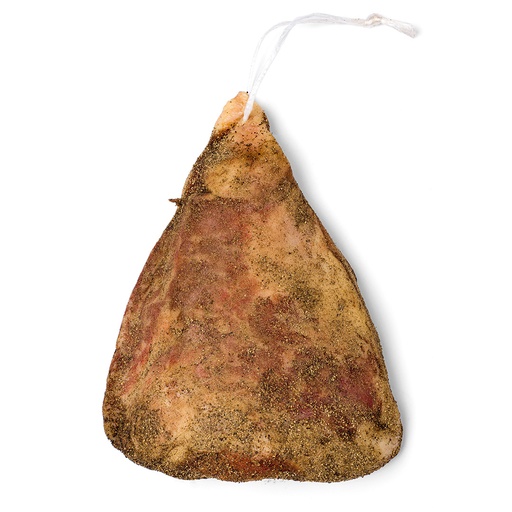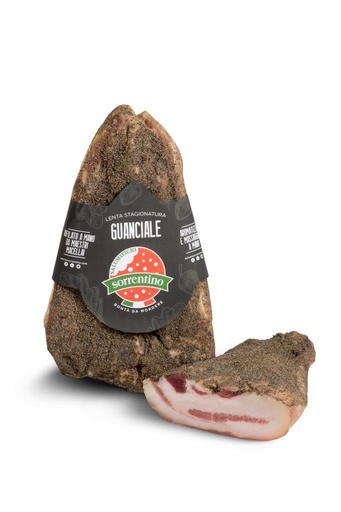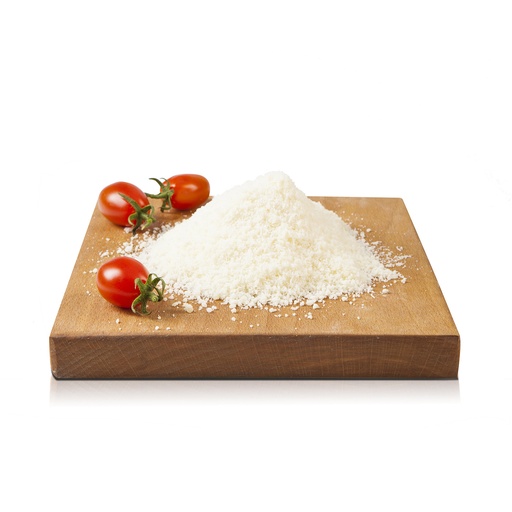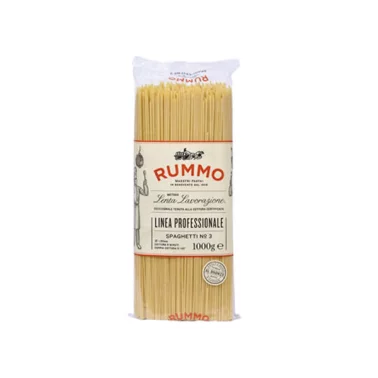
Il tuo fornitore attuale ti invia un generico "guanciale IGP" — ma sai da dove proviene veramente? Ogni chef che ha cucinato con quello vero lo sa: quando l'autentico Guanciale Amatriciano IGP si scioglie lentamente in padella e avvolge la pasta con una crema vellutata e insostituibile, nient'altro si avvicina. Il Guanciale Amatriciano IGP non è solo un altro ingrediente — è il motivo per cui la tua carbonara viene ricordata.
LAPA consegna i migliori produttori laziali certificati nella tua cucina ogni settimana, con consegne in tutta la Svizzera: in giornata per ordini entro le 05:00 nella Svizzera tedesca, 1-3 giorni lavorativi altrove. Oltre 3'000 prodotti italiani premium, un partner affidabile. Scopri perché 1'200 ristoranti svizzeri si affidano a LAPA per i loro piatti tradizionali italiani.
What is Guanciale Amatriciano PGI and why certification matters
Il Guanciale Amatriciano è un salume tradizionale del centro del Lazio, prodotto dalla guancia del maiale attraverso la salagione a secco e la stagionatura naturale. Il suo nome deriva da Amatrice (provincia di Rieti) — la patria storica di questo salume.
Since 2015, Guanciale Amatriciano has been protected by the PGI (Protected Geographical Indication) label, which guarantees:
- Traceable raw material: Jowls from pigs born, raised and slaughtered in Italy
- Traditional processing: Only salt, black pepper, garlic and natural aromatics — zero additives
- Minimum aging: 30 days in a controlled natural environment
- Certified controls: Every production phase independently verified
Un guanciale “generico” può essere prodotto ovunque, con additivi, senza controlli. La differenza di sapore, consistenza e autenticità è significativa. Per un ristorante serio, solo l'IGP è accettabile.
Technical characteristics: why guanciale fat is unique
| Characteristic | Value | Culinary relevance |
|---|---|---|
| Fat/lean ratio | 70–75% fat / 25–30% lean | Complete melting, ideal aromatic release |
| Weight | 600–1,200g per piece | Manageable sizes, easy portioning |
| Shape | Triangular with rind | Rind protects during aging |
| Aging | 30 days (PGI), 60–90 days (premium) | Longer = more concentrated, complex flavor |
| Salinity | 3–4% of total weight | Perfect balance with pecorino and pasta |
| Residual moisture | 35–40% | Supple when cut, melting when cooked |
Quality Guanciale Amatriciano PGI: pure white or slightly pink fat (never yellowish), bright ruby-red lean meat, clean spice aroma with dominant black pepper, balanced sweet-savory flavor with persistent peppery finish.
Guanciale vs Pancetta vs Bacon: the differences that matter
| Guanciale | Pancetta | Bacon | |
|---|---|---|---|
| Fat % | 70–75% (very high) | 50–60% (medium-high) | 40–50% (medium) |
| Processing | Dry cure, natural aging | Wet cure with nitrites | Wet cure, smoking |
| Flavor | Delicate, sweet, peppery | Saltier, more structured | Smoky, very salty |
| When cooked | Melts completely, maximum creaminess | Releases fat, stays compact | Stays crispy, fat separates |
| In carbonara/amatriciana | ✅ The only authentic choice | ❌ Wrong flavor and texture | ❌ Incompatible |
Using Guanciale Amatriciano in professional kitchens
Préparation
- Remove the rind: With a sharp knife
- Cut: Into strips/batons 0.5–1cm thick. Never mince or grind.
- Temperature: Work at room temperature (18–20°C) for even cooking
- Storage after cutting: Max. 24h refrigerated, covered with film
Professional Carbonara: proportions and technique
Ingredients for 4 portions: 320g pasta (rigatoni, mezze maniche or tonnarelli), 150–180g Guanciale PGI, 4 egg yolks + 1 whole egg, 80g Pecorino Romano PDO, freshly ground black pepper.
- Render guanciale in a cold pan, no oil, medium-low heat, 8–10 minutes until fat melts and lean is crispy.
- Whisk yolks + whole egg + pecorino + pepper to a smooth cream.
- Cook pasta in salted water, drain 1 minute before time.
- Toss drained pasta with guanciale (heat off), add cream, mix vigorously adding pasta water gradually.
- Plate immediately with fresh pepper and crispy guanciale.
Mistakes to avoid: cream (never), cooking the eggs, parmesan instead of pecorino.
Authentic Amatriciana
Ingredients for 4 portions: 320g bucatini/rigatoni, 120–150g Guanciale PGI, 400g San Marzano PDO peeled tomatoes, 100ml dry white wine, 60g grated Pecorino Romano PDO, fresh chili.
- Render guanciale as above.
- Deglaze with white wine, let alcohol evaporate (2–3 min.).
- Add hand-crushed tomatoes and chili, cook 15–20 min.
- Pasta al dente, toss in sauce 1–2 minutes.
- Serve with generous pecorino and crispy guanciale.
Storage
Whole: 12–16°C, humidity 65–75%, breathable food paper (never plastic). Shelf life 4–6 months.
Portioned: Vacuum-packed 2–3 months at 4°C. Open refrigerator max. 7–10 days covered.
Professional protocol: Order whole guanciale weekly, portion daily, strict FIFO rotation.
Guanciale Amatriciano PGI from LAPA: certified quality for Swiss restaurants
Picture this: every morning you open a delivery of guanciale aged 60 to 90 days, immaculate white fat and a clean pepper aroma — on time, every time, no surprises. That is what over 200 Swiss restaurants have come to rely on from LAPA.
- Guaranteed PGI certification: Exclusively from certified Lazio producers, full traceability
- Premium selection: 60–90 day aging (double the PGI minimum) for more intense flavor
- Optimal freshness: Weekly orders, never product older than 1 month from aging
- Fast delivery: 1–3 working days across Switzerland (Zurich, Basel, Bern, Geneva, Lugano)
- No minimum order: Order as few as 2–3 pieces to test quality
- Technical support: LAPA chefs available for recipe and technique consultation
| Formato | Weight | Ideal for |
|---|---|---|
| Whole guanciale | 800g–1.2kg/piece | High-volume restaurants, full control |
| Vacuum-packed half | 400–600g/pièce | Medium-volume restaurants |
| Ready-cut cubes | 500g/1kg pack | Fast kitchens, delivery operations |
| Vacuum-packed strips | 200g/Portion | Fine dining, portion control |
Frequently asked questions
Can I substitute pancetta for guanciale in carbonara?
No — fortemente sconsigliato. Il guanciale contiene il 70-75% di grasso che si scioglie completamente, creando l'autentica cremosità. La pancetta produce una carbonara secca e troppo salata senza alcuna consistenza vellutata. Per una vera carbonara, il guanciale è l'unico ingrediente accettabile.
How do I identify quality guanciale?
- Pure white or pink fat (never yellowish)
- Bright ruby-red lean meat
- Clean spice aroma, no rancid notes
- Declared aging of 60+ days
- PGI certification with traceable batch number
How much guanciale for 100 portions of carbonara?
8kg pasta, 4–4.5kg guanciale (40–45g per portion), 100 yolks + 20 whole eggs, 2kg pecorino, 150g black pepper. Order 5kg as buffer. With LAPA, order the exact quantity needed — no binding minimums.
Bring Roman authenticity to your menu
Ogni piatto che esce dalla tua cucina è una dichiarazione sui tuoi standard. Una carbonara fatta con Guanciale Amatriciano IGP di LAPA dice ai tuoi ospiti che non scendi a compromessi, che rispetti la tradizione, che servi l'originale.
📞 Telefono: +41 76 361 70 21 | ✉️ Email: [email protected] | 🌐 Web: lapa.ch
Read also:
- Pecorino Romano DOP: Il formaggio storico per Carbonara e Cacio e Pepe
- Authentic Carbonara: Professional Guide for Restaurants
- Premium Italian Cured Meats: Selection Guide for Restaurateurs