Ihr aktueller Lieferant schickt Ihnen einen generischen "Guanciale IGP" — aber wissen Sie, woher er eigentlich kommt? Jeder Koch, der schon einmal mit dem Original gekocht hat, weiss: Wenn authentischer Guanciale Amatriciano IGP langsam in der Pfanne schmilzt und die Pasta mit einer samtigen, unersetzlichen Crème überzieht, kommt nichts anderes heran. Guanciale Amatriciano IGP ist nicht einfach nur eine weitere Zutat — er ist der Grund, warum Ihre Carbonara in Erinnerung bleibt.
LAPA liefert wöchentlich die besten zertifizierten Produzenten aus Latium in Ihre Küche, mit Lieferung in die ganze Schweiz: Bis 05:00 Uhr bestellt, heute geliefert in der Deutschschweiz, 1–3 Werktage in andere Regionen. Über 3'000 italienische Premium-Produkte, ein zuverlässiger Partner. Finden Sie heraus, warum 1'200 Schweizer Gastronomiebetriebe LAPA für ihre traditionellen italienischen Gerichte vertrauen.
What is Guanciale Amatriciano PGI and why certification matters
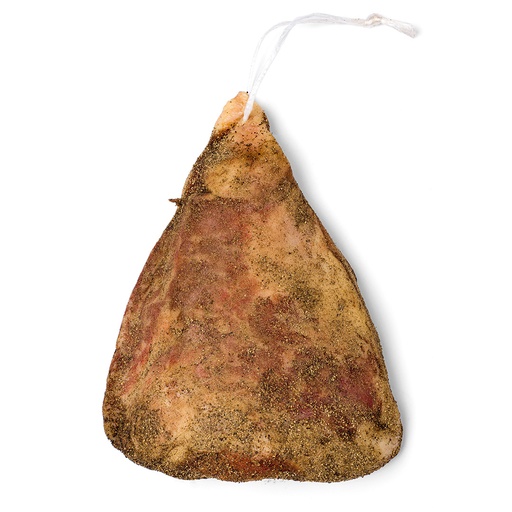
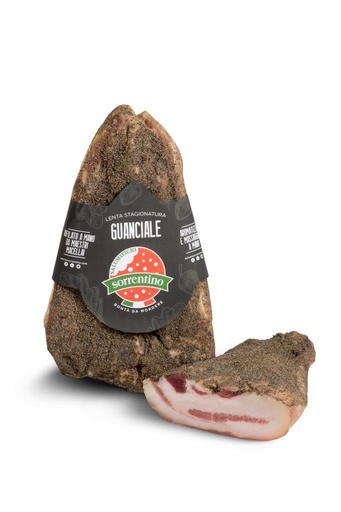
Guanciale Amatriciano ist eine traditionelle Fleischware aus dem zentralen Latium, die aus der Schweinebacke durch Trockenpökeln und natürliche Reifung hergestellt wird. Ihr Name stammt von Amatrice (Provinz Rieti) — der historischen Heimat dieser Spezialität.
Since 2015, Guanciale Amatriciano has been protected by the PGI (Protected Geographical Indication) label, which guarantees:
- Traceable raw material: Jowls from pigs born, raised and slaughtered in Italy
- Traditional processing: Only salt, black pepper, garlic and natural aromatics — zero additives
- Minimum aging: 30 days in a controlled natural environment
- Certified controls: Every production phase independently verified
Ein „generischer“ Guanciale kann überall produziert werden, mit Zusatzstoffen, ohne Kontrolle. Der Unterschied in Geschmack, Textur und Authentizität ist signifikant. Für ein ernsthaftes Restaurant ist nur IGP akzeptabel.
Technical characteristics: why guanciale fat is unique
| Merkmal | Wert | Kulinarische Bedeutung |
|---|---|---|
| Fett/Mager-Verhältnis | 70–75% Fett / 25–30% mager | Vollständiges Schmelzen, ideale Aromaentfaltung |
| Gewicht | 600–1'200g pro Stück | Handliche Grössen, einfache Portionierung |
| Form | Dreieckig mit Schwarte | Schwarte schützt während der Reifung |
| Reifung | 30 days (PGI), 60–90 days (premium) | Longer = more concentrated, complex flavor |
| Salzgehalt | 3–4% des Gesamtgewichts | Perfect balance with pecorino and pasta |
| Restfeuchtigkeit | 35–40% | Supple when cut, melting when cooked |
Quality Guanciale Amatriciano PGI: pure white or slightly pink fat (never yellowish), bright ruby-red lean meat, clean spice aroma with dominant black pepper, balanced sweet-savory flavor with persistent peppery finish.
Guanciale vs Pancetta vs Bacon: the differences that matter
| Guanciale | Pancetta | Speck | |
|---|---|---|---|
| Fett % | 70–75% (sehr hoch) | 50–60% (mittelhoch) | 40–50% (mittel) |
| Verarbeitung | Trockenpökelung, natürliche Reifung | Nasspökelung mit Nitriten | Nasspökelung, Räucherung |
| Geschmack | Delikat, süss, pfeffrig | Salziger, strukturierter | Rauchig, sehr salzig |
| Gebraten | Schmilzt vollständig, maximale Cremigkeit | Gibt Fett ab, bleibt kompakt | Bleibt knusprig, Fett trennt sich |
| In Carbonara/Amatriciana | ✅ Die einzig authentische Wahl | ❌ Falscher Geschmack und Textur | ❌ Unpassend |
Using Guanciale Amatriciano in professional kitchens
Zubereitung
- Remove the rind: With a sharp knife
- Cut: Into strips/batons 0.5–1cm thick. Never mince or grind.
- Temperature: Work at room temperature (18–20°C) for even cooking
- Storage after cutting: Max. 24h refrigerated, covered with film
Professionelle Carbonara: Proportionen und Technik
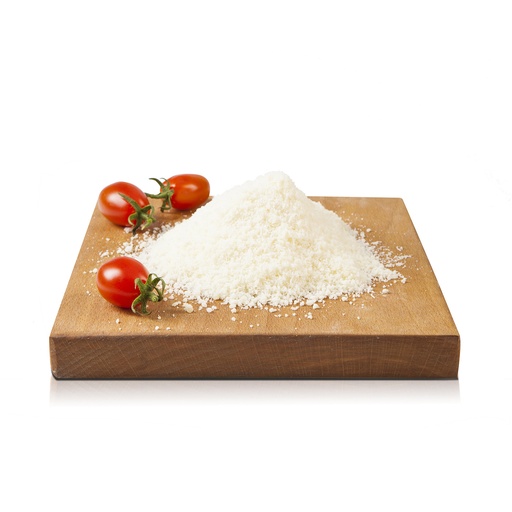
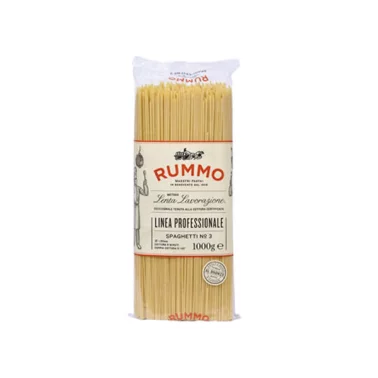
Ingredients for 4 portions: 320g pasta (rigatoni, mezze maniche or tonnarelli), 150–180g Guanciale PGI, 4 egg yolks + 1 whole egg, 80g Pecorino Romano PDO, freshly ground black pepper.
- Render guanciale in a cold pan, no oil, medium-low heat, 8–10 minutes until fat melts and lean is crispy.
- Whisk yolks + whole egg + pecorino + pepper to a smooth cream.
- Cook pasta in salted water, drain 1 minute before time.
- Toss drained pasta with guanciale (heat off), add cream, mix vigorously adding pasta water gradually.
- Plate immediately with fresh pepper and crispy guanciale.
Mistakes to avoid: cream (never), cooking the eggs, parmesan instead of pecorino.
Authentische Amatriciana
Ingredients for 4 portions: 320g bucatini/rigatoni, 120–150g Guanciale PGI, 400g San Marzano PDO peeled tomatoes, 100ml dry white wine, 60g grated Pecorino Romano PDO, fresh chili.
- Guanciale wie oben auslassen.
- Deglaze with white wine, let alcohol evaporate (2–3 min.).
- Add hand-crushed tomatoes and chili, cook 15–20 min.
- Pasta al dente, toss in sauce 1–2 minutes.
- Serve with generous pecorino and crispy guanciale.
Lagerung
Whole: 12–16°C, humidity 65–75%, breathable food paper (never plastic). Shelf life 4–6 months.
Portioned: Vacuum-packed 2–3 months at 4°C. Open refrigerator max. 7–10 days covered.
Professional protocol: Order whole guanciale weekly, portion daily, strict FIFO rotation.
Guanciale Amatriciano PGI from LAPA: certified quality for Swiss restaurants
Picture this: every morning you open a delivery of guanciale aged 60 to 90 days, immaculate white fat and a clean pepper aroma — on time, every time, no surprises. That is what over 200 Swiss restaurants have come to rely on from LAPA.
- Guaranteed PGI certification: Exclusively from certified Lazio producers, full traceability
- Premium selection: 60–90 day aging (double the PGI minimum) for more intense flavor
- Optimal freshness: Weekly orders, never product older than 1 month from aging
- Fast delivery: 1–3 working days across Switzerland (Zurich, Basel, Bern, Geneva, Lugano)
- No minimum order: Order as few as 2–3 pieces to test quality
- Technical support: LAPA chefs available for recipe and technique consultation
| Format | Gewicht | Ideal für |
|---|---|---|
| Ganzer Guanciale | 800g–1.2kg/Stück | Restaurants mit grossem Volumen, volle Kontrolle |
| Vakuumierte Hälfte | 400–600g/Stück | Restaurants mit mittlerem Volumen |
| Vorgeschnittene Würfel | 500g/1kg Packung | Schnelle Küchen, Lieferdienste |
| Vakuumierte Streifen | 200g/Portion | Gehobene Gastronomie, Portionskontrolle |
Häufig gestellte Fragen
Can I substitute pancetta for guanciale in carbonara?
Nein — absolut nicht empfehlenswert. Guanciale enthält 70–75% Fett, das vollständig schmilzt und für die authentische Cremigkeit sorgt. Pancetta führt zu einer trockenen, übersalzenen Carbonara ohne die samtige Textur. Für eine echte Carbonara ist Guanciale die einzig akzeptable Zutat.
How do I identify quality guanciale?
- Pure white or pink fat (never yellowish)
- Helles rubinrotes mageres Fleisch
- Clean spice aroma, no rancid notes
- Deklarierte Reifung von 60+ Tagen
- PGI certification with traceable batch number
How much guanciale for 100 portions of carbonara?
8kg pasta, 4–4.5kg guanciale (40–45g per portion), 100 yolks + 20 whole eggs, 2kg pecorino, 150g black pepper. Order 5kg as buffer. With LAPA, order the exact quantity needed — no binding minimums.
Bring Roman authenticity to your menu
Jedes Gericht, das Ihre Küche verlässt, ist ein Statement für Ihren Anspruch. Eine Carbonara mit Guanciale Amatriciano IGP von LAPA zeigt Ihren Gästen, dass Sie keine Kompromisse eingehen, die Tradition respektieren und das Original servieren.
📞 Telefon: +41 76 361 70 21 | ✉️ E-Mail: [email protected] | 🌐 Web: lapa.ch
Lesen Sie auch:
- Pecorino Romano DOP: Der historische Käse für Carbonara und Cacio e Pepe
- Authentic Carbonara: Professional Guide for Restaurants
- Premium Italian Cured Meats: Selection Guide for Restaurateurs