

Last updated: 10 June 2026
Filo is an unleavened dough rolled into paper-thin sheets; kataifi is the same dough spun into fine "angel hair" threads. Both come from the Mediterranean-Levantine tradition, both bake to a spectacular crunch, and both work in sweet and savoury dishes — from baklava to prawns in a crispy nest.
What is the difference between filo pastry and kataifi?
The base dough is the same: flour, water, a little oil and salt, with almost no fat. Filo is stretched into sheets thinner than a millimetre, so thin you can read a newspaper through them. Kataifi — the name comes from the Arabic "qatayif" — is the dough pressed through fine nozzles onto a hot plate, producing the thread form known in German as "Engelshaar". Filo builds glassy, flaky layers; kataifi builds airy, extra-crunchy nests. The richness in both comes from the melted butter you brush on, not from the dough itself — unlike puff pastry, which is laminated with butter from the start.
| Dough | Form & thickness | Texture | Typical uses | Baking |
|---|---|---|---|---|
| Filo | Sheets under 1 mm | Glassy, flaky, light | Baklava, börek, spanakopita, strudel | 180–200 °C, brushed with melted butter, browns fast |
| Kataifi | Fine threads ("angel hair") | Airy, extra-crunchy | Wrapped prawns, crispy nests, baklava, savoury bundles | 170–180 °C with melted butter, until evenly golden |
| Puff pastry | Laminated, several mm | Rich, buttery, rises in layers | Vol-au-vents, tarts, savoury pies | 190–200 °C, rises on its own butter |
How do you work with filo pastry without it breaking?
Filo has one enemy: dry air. Exposed sheets dry out and crack within minutes. Thaw the pack overnight in the fridge, never at room temperature or in the microwave. While working, keep the stack covered with a lightly damp cloth and take out one sheet at a time. Brush every layer with melted butter or oil — it keeps the sheet supple and is what creates the flaky crunch in the oven. Work fast, do not overfill, and a torn sheet is no drama: hide it between two intact ones.
Which dishes work well with kataifi?
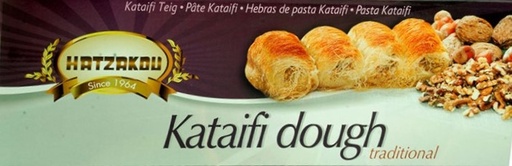
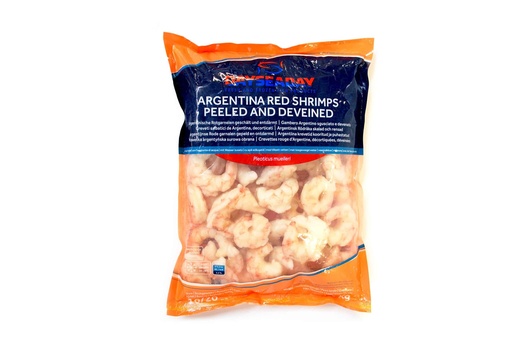
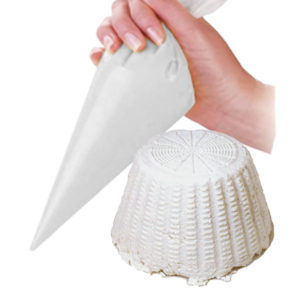
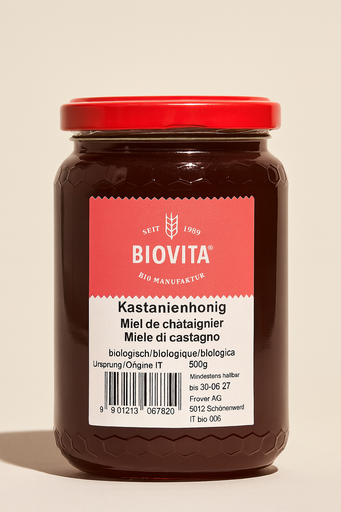
The restaurant classic is the prawn wrapped in kataifi: a red Argentine prawn rolled in buttered threads and baked until golden — high visual impact, minimal prep. Kataifi nests filled with ricotta cream, pistachio and honey make a plated dessert that photographs itself. Add the great Levantine tradition — baklava and künefe — plus savoury ideas like cheese bundles, vegetable nests and crusted fish fillets. One 450 g pack covers a full evening of starters: a single prawn needs only a small handful of threads.
How do you store filo pastry?
Keep the unopened pack refrigerated as indicated on the label. Once opened, wrap the unused sheets airtight in cling film and use them within a few days — they dry out, not spoil. Filo freezes well; thaw slowly in the fridge and never refreeze a thawed pack, because condensation makes the sheets stick together. Baked filo and kataifi keep their crunch for hours in a dry place, but soften quickly in contact with moist fillings: in service, fill and bake as close to the pass as possible.
Where can you buy filo and kataifi dough in Switzerland?
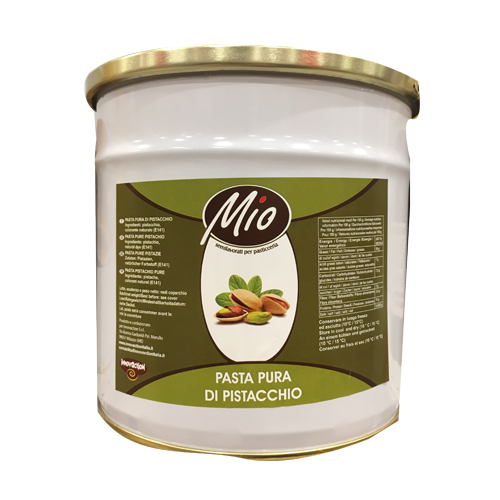
Outside the big retail chains, thin filo and real kataifi threads are surprisingly hard to source in Switzerland. LAPA supplies restaurants and gastronomy across the country with kataifi/filo dough in the professional 450 g format (4 packs per carton), delivered refrigerated together with the rest of your order — butter, prawns, ricotta cream, pistachio paste and honey included. No minimum order.
Frequently asked questions
Is filo pastry the same as strudel dough?
They are close relatives: both are lean doughs stretched until translucent. Strudel dough is hand-pulled and slightly more elastic, while filo is rolled into uniform sheets. In most recipes filo replaces strudel dough without adjustments.
Can filo and kataifi dishes be prepared in advance?
Yes: assemble, cover and refrigerate, then bake just before serving. With moist fillings, bake the same day — the crunch fades as humidity migrates into the pastry.
Is kataifi dough sweet?
No. The dough itself is neutral — essentially flour and water. It becomes dessert with syrup, honey and nuts, or a savoury crust around prawns, cheese and vegetables.
Is filo lighter than puff pastry?
Yes, by construction: the dough contains almost no fat, while puff pastry is laminated with butter. With filo, you decide the richness with the brush — fewer or more layers of melted butter.
Where can restaurants order kataifi in Switzerland?
From LAPA: kataifi/filo dough in 450 g professional packs, delivered refrigerated to restaurants across Switzerland, with no minimum order.
Bring Mediterranean crunch to your menu
One pack, a brush and ten minutes of oven: filo and kataifi turn simple ingredients into dishes that make the dining room turn around. See LAPA's selection or call +41 76 361 70 21. Refrigerated delivery, no minimum order.