Pasta alla Gricia: The Mother of All Roman Recipes
Does your guanciale melt in the pan... or turn to rubber?
Be honest: how many times have you attempted Gricia only to watch the Pecorino clump into sad lumps? How many times was the guanciale chewy instead of golden and crisp? It is not your fault. With just 3 ingredients, every detail matters — and the difference between a mediocre Gricia and a stellar one comes down entirely to the quality of the raw materials and the precision of the technique.
At LAPA, we know this firsthand. For years we have been selecting over 3,000 products for chefs and restaurateurs across Switzerland who refuse to compromise on quality. Gricia is our ultimate test: if a guanciale passes the Gricia trial, it passes everything.
Why Gricia Is the Most Important Recipe You Can Master
Gricia is the foundation of Roman cuisine. Master it, and you hold the key to three legendary dishes:
- Gricia = Guanciale + Pecorino + Pepper (the BASE)
- Carbonara = Gricia + Eggs
- Amatriciana = Gricia + Tomato
Three ingredients. Zero margin for error. No bold flavour masks imperfections. That is precisely why your customers will notice the difference IMMEDIATELY when you use authentic ingredients.
The History: From the Shepherds of Lazio to Your Kitchen
Born on the pastures of Grisciano (Accumoli) in the 17th century, Gricia was the meal of transhumant shepherds. They carried only what kept without refrigeration: dried pasta, aged guanciale, Pecorino Romano, black pepper. They cooked with little water; the fat from the guanciale was all they needed.
- Gricia (17th c.) → + Tomato = Amatriciana (18th c.) → + Eggs = Carbonara (20th c.)
Ingredients for 4 — Just 3 Stars
- ✅ Rigatoni: 400g (or Mezze Maniche)
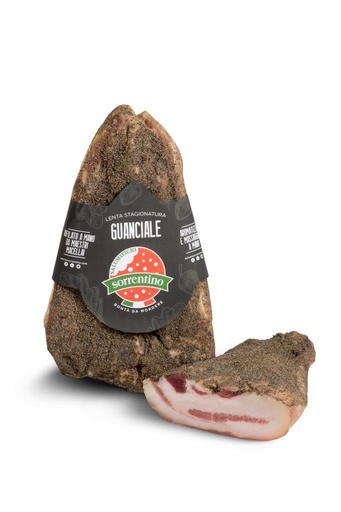
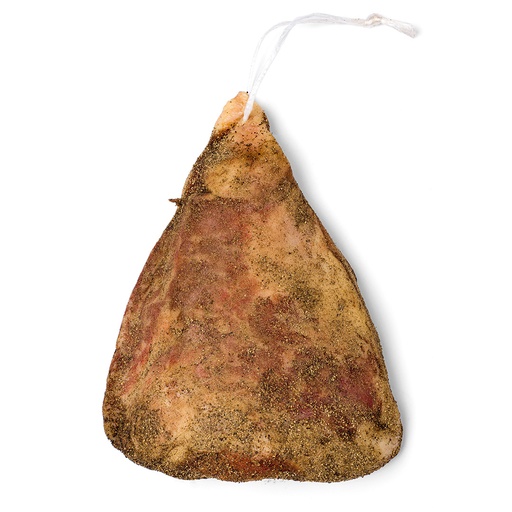
- ✅ Guanciale Amatriciano IGP LAPA: 200g — aged 60 days, 70/30 fat-to-lean ratio
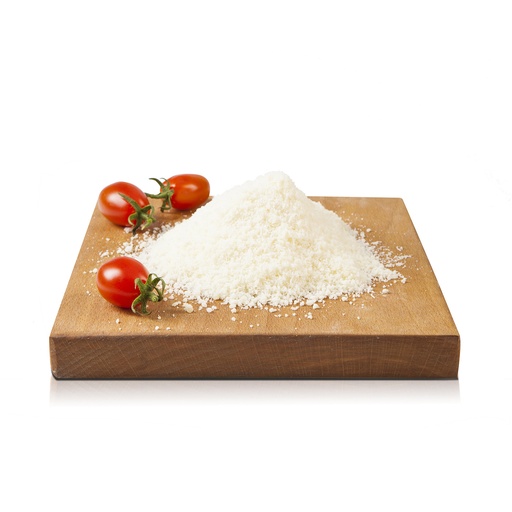
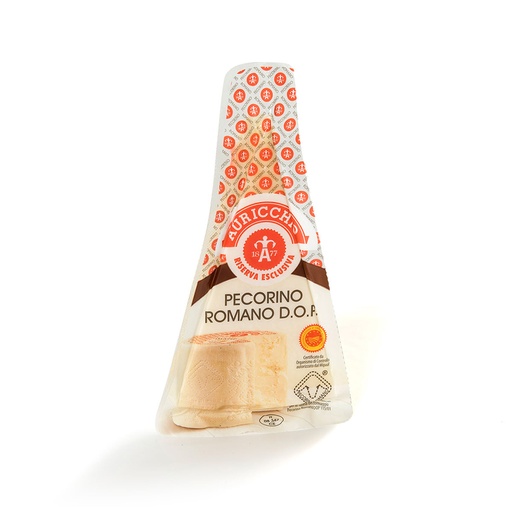
- ✅ Pecorino Romano PDO LAPA: 120g freshly grated — aged 8–10 months
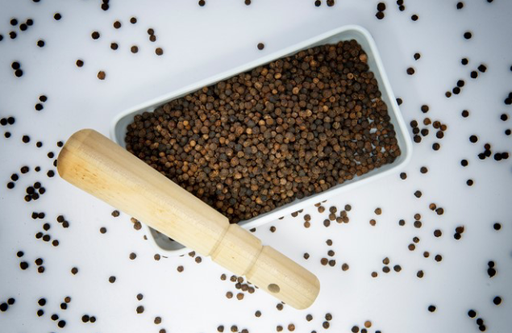
- ✅ Black pepper whole peppercorns: 6–8g (freshly ground!)
- ✅ Pasta water: 250ml reserved
- ✅ Salt: very little (Pecorino is already salty!)
Strictly Forbidden
- ❌ Oil, butter, or any added fat
- ❌ Garlic, onion
- ❌ Cream
- ❌ Parmigiano — Pecorino Romano only
Golden rule: If you add anything beyond guanciale, Pecorino, pepper, and pasta — it is NOT Gricia.
The Recipe Step by Step
Step 1: Prepare the Guanciale (10 min)
Cut into batons 5mm × 5mm × 2cm. NO small cubes (they burn!), NO thin slices (they dry out!). The right surface for even browning, soft interior, gradual fat release.
Step 2: Brown the Guanciale (10–12 min)
Large non-stick pan, start COLD. Zero added fat. MEDIUM-LOW heat. Stir every 2–3 minutes.
- 6–7 min = too little (white, rubbery)
- 10–12 min = PERFECT (golden, crispy edges, 60–80ml fat rendered)
- 14+ min = too much (dark, dry, bitter)
⚠️ NEVER discard the fat — it is the soul of the Gricia!
Step 3: Toast the Pepper (2–3 min)
Separate small pan, cold start, low heat, 2–3 minutes. It should smell fragrant, NOT smoke. Grind coarsely. Toasting releases essential oils and deepens the aroma.
Step 4: Cook the Pasta (10–12 min)
Reduced salt (7g/litre). Rigatoni 2–3 minutes BEFORE al dente. Pro tip: use just 2L of water — starchier water = creamier mantecatura.
🔴 CRUCIAL: Reserve 500ml of pasta water BEFORE draining!
Step 5: The Mantecatura — THE MOMENT OF TRUTH (2–3 min)
This is where everything is decided. Pan off the heat (55–65°C):
- Add the pasta to the pan with guanciale + rendered fat
- Add 80g of grated Pecorino + toasted pepper
- Toss vigorously for 2–3 minutes
- Add pasta water 50–100ml at a time as needed
- Continue until creamy and velvety
Critical temperatures: Below 50°C = grainy. 55–65°C = PERFECT. Above 75°C = rubbery (disaster!).
Step 6: Plate and Serve IMMEDIATELY
Pre-warmed deep plates. 40g of fresh Pecorino on top. Generous black pepper. Serve IMMEDIATELY — Gricia waits for no one!
The 5 Mistakes That Ruin Every Gricia
❌ Dry Gricia: ALWAYS keep 2 cups of pasta water. Toss for a full 2–3 minutes. Use 120g of Pecorino total.
❌ Lumpy Pecorino: Pan ALWAYS off the heat! Max 65°C. Grate Pecorino extremely fine.
❌ Chewy Guanciale: Medium-low heat, 10–12 minutes.
❌ Too Salty: Salt the water LIGHTLY (7g/L).
❌ Watery Gricia: Add water 30–50ml at a time only. Toss longer.
Variations to Impress
Gricia Bianca vs. Nera: Bianca (3–4g pepper, delicate) vs. Nera (10–15g pepper, intense). "Gricia" may derive from the Italian "grigio" (grey) — the colour of pepper!
Extra Crispy Guanciale: Reserve half and continue browning to 15 min. An irresistible texture contrast.
Gricia Risottata: Toast the pasta with guanciale, add water gradually like risotto. Superior creaminess.
With Artichokes (Spring Variation): 4 Roman artichokes sautéed with guanciale.
The Science of Mantecatura
Gricia is an emulsion: guanciale fat (hydrophobic) + pasta water (hydrophilic) + Pecorino (natural emulsifier). Milk proteins bind everything. Pasta starch stabilises. Vigorous movement integrates. The window is narrow: 55–65°C. Above 75°C the Pecorino turns rubbery.
Wine Pairings
- 🍷 Frascati Superiore DOCG — Roman classic, fresh
- 🍷 Verdicchio di Matelica Riserva — structure and acidity
- 🍷 Cesanese del Piglio DOCG — from Lazio, spicy
- 🍷 Montepulciano d'Abruzzo giovane — soft, fruity
FAQ
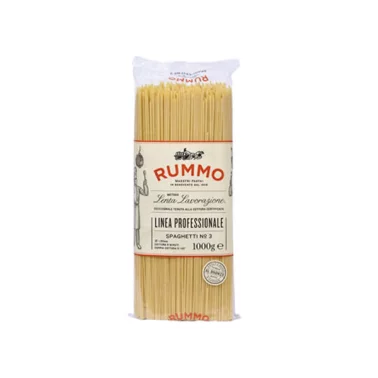
Rigatoni or Spaghetti?
Rigatoni or Mezze Maniche: the ridges hold the Pecorino cream, the cavity captures guanciale. Avoid: smooth penne and fresh egg pasta.
Can I Use Pancetta?
No. Guanciale has 70% fat (vs. 50%), a more intense flavour, a texture that melts on the tongue. LAPA Guanciale IGP is worth every centime.
Can Gricia Be Made Ahead?
Gricia is a "made-to-order" dish. Have your mise en place ready, then toss and serve in 7–8 minutes per order.
LAPA Products: Chosen by Over 380 Chefs Across Switzerland
Guanciale Amatriciano IGP LAPA
IGP certified. Aged 60 days (vs. 30 industrial) — 70% more intense flavour. Fat-to-lean ratio 70/30. Artisanal production.
Pecorino Romano PDO LAPA
PDO certified. Aged 8–10 months. 100% sheep's milk from Lazio/Sardinia. Optimal meltability.
Tellicherry Black Pepper LAPA
Kerala, India. Large 4–5mm peppercorns. Essential oils 3–4%. Hand-harvested.
Ready to Make the Difference?
Picture the moment: the plate arrives at the table. Creamy, draped in a white veil of Pecorino, the guanciale golden and crisp, the scent of toasted pepper rising. Your customer takes the first bite and asks: "How did you get it so impossibly creamy?"
That moment starts with the right ingredients.
Call us now at +41 76 361 70 21 or write to [email protected] — we will help you choose from over 3,000 authentic Italian products.
Delivery across Switzerland: order by 05:00, delivered the same day in German-speaking Switzerland, 1–3 working days with refrigerated partner transport in other regions.