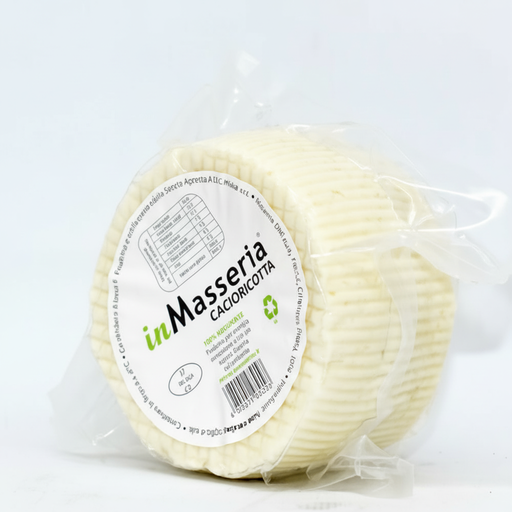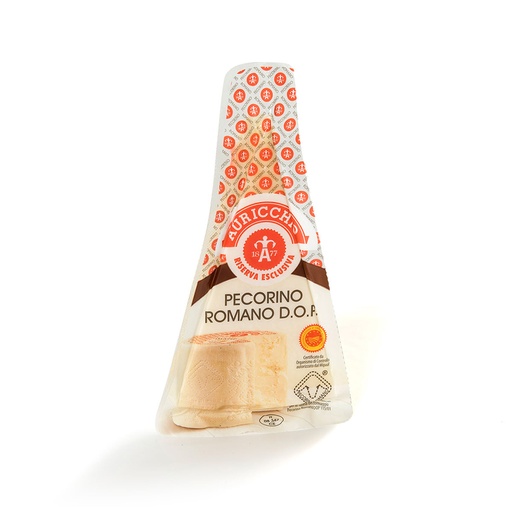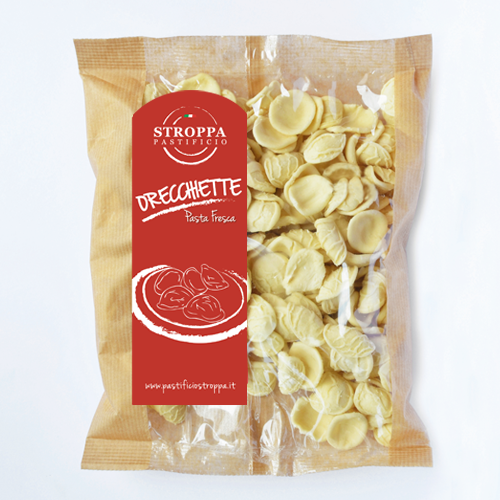
Cacioricotta is a southern Italian cheese halfway between cacio and ricotta: it starts from whole milk (goat, sheep or buffalo), heated as for ricotta but then curdled like a cheese. The result is tastier and firmer than ricotta and, once aged, is grated over pasta. The key difference: ricotta comes from whey, cacioricotta from whole milk.
What is cacioricotta?
Cacioricotta is a traditional cheese from southern Italy (Puglia, Basilicata, Cilento, Calabria and lower Lazio), born from the rural culture of zero waste. It is made with a hybrid technique: whole milk is heated to 85-90 °C as for ricotta, then cooled and curdled with calf rennet at 36-38 °C as for a cheese. The curd is broken, placed in moulds without pressing and dry-salted. It has a cylindrical shape and weighs 100 to 300 grams.
What is the difference between cacioricotta and ricotta?
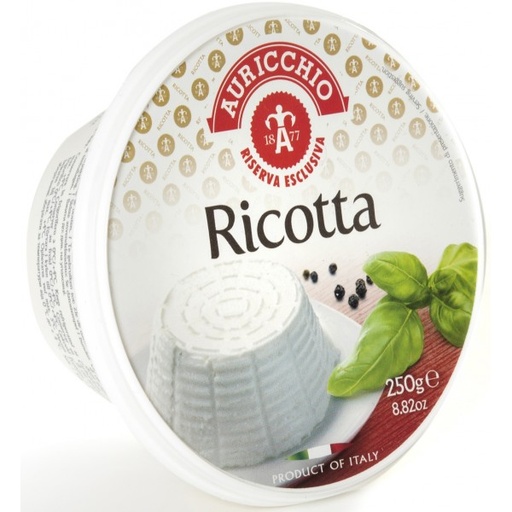
Ricotta is not a cheese: it is made by heating the whey, the by-product of cheesemaking, and is soft, sweet and must be eaten within a few days. Cacioricotta, instead, starts from whole milk and uses rennet: it is a true cheese, tastier, that can age up to 12 months. In short: same family, two different products. Ricotta is delicate freshness; cacioricotta is concentrated grating flavour.
| Feature | Ricotta | Cacioricotta |
|---|---|---|
| Raw material | Whey | Whole milk |
| Coagulation | Heat | Heat + rennet |
| Texture | Soft, grainy | Crumbly to hard |
| Ageing | 7-21 days | Up to 12 months |
How do you use cacioricotta in cooking?
Aged cacioricotta is the king of southern pasta: grated generously over cavatelli or orecchiette with fresh tomato sauce, it gives a savouriness that parmesan cannot. It is the quintessential summer dish of Puglia and Basilicata. The fresh version, sweeter, is enjoyed in cubes in a salad, with tomatoes and a drizzle of oil, or on bread. One cheese, two uses: an intense seasoning when aged, delicate freshness when fresh.
Fresh or aged: which to choose?
It depends on the dish. To grate over pasta or vegetables choose the aged one (from 2 months up to a year): drier, savoury, lingering. For starters, salads and cheese boards choose the fresh one: soft, milky, slightly tangy. In a professional kitchen, keeping both versions means covering from starter to first course with a single signature product. Cacioricotta ageing ranges from 60 days up to 1 year.
Frequently asked questions
Is cacioricotta the same as salted ricotta?
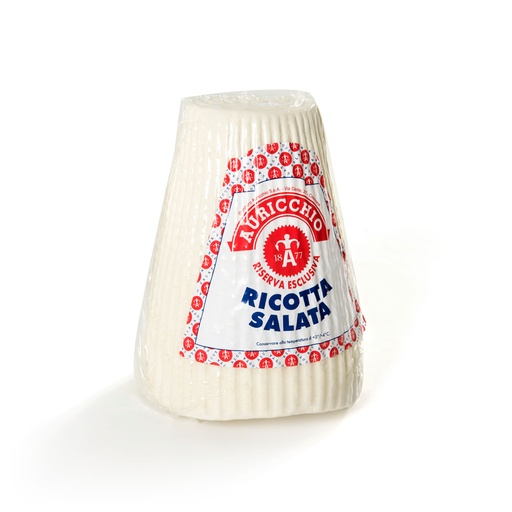
No. Salted ricotta starts from whey, then salted and aged; cacioricotta starts from whole milk with added rennet. Both are for grating, but cacioricotta is more of a cheese and more aromatic.
What milk is cacioricotta made from?
Traditionally from goat's or sheep's milk, or a mix; in lower Lazio there is also a buffalo version. The milk is always whole, never just whey.
Where to buy cacioricotta in Switzerland?
LAPA supplies restaurants and delis across Switzerland with cacioricotta and fresh Italian cheeses, refrigerated delivery and no minimum order.
Bring the real flavour of the South to your kitchen
Give your first courses the savouriness that makes them unforgettable: authentic cacioricotta from southern Italy, fresh or for grating. See LAPA's selection or call +41 76 361 70 21. Refrigerated delivery, no minimum order.
Last updated: 2 June 2026