Last updated: 28 May 2026
In 30 seconds: PDO, PGI and TSG explained
PDO (Protected Designation of Origin, DOP in Italian) means every stage of production, processing and preparation happens in one defined geographical area, using recognised know-how. The link to the territory is total: a Parmigiano Reggiano can only be made in Emilia. PGI (Protected Geographical Indication, IGP in Italian) requires that at least one stage of production happens in the defined area: the link is strong but partial. TSG (Traditional Speciality Guaranteed, STG in Italian) protects a traditional recipe or method, not a place: Mozzarella TSG and Neapolitan Pizza TSG can be made anywhere if the rules are respected.
Italy holds the European record with around 890 PDO and PGI food and wine products (over 320 of them food, the rest wine). For a Swiss restaurateur the certification is not bureaucracy: it is a written guarantee of origin, method and food safety that you can put on your menu and defend with your customers. Below you will find the comparison table, the list of certified Italian products available from LAPA, how to read the EU logos, and a FAQ.
Comparison table: PDO vs PGI vs TSG
| Criterion | PDO | PGI | TSG (STG) |
|---|---|---|---|
| Full name | Protected Designation of Origin | Protected Geographical Indication | Traditional Speciality Guaranteed |
| What it protects | The total link with a place | The partial link with a place | A traditional recipe or method |
| Raw material / territory | 100% of stages in the defined area | At least one stage in the defined area | No geographical constraint |
| Control | Independent body + Ministry + EU | Independent body + Ministry + EU | Independent body + EU |
| EU logo colour | Red and yellow | Blue and yellow | Yellow and red (with TSG wording) |
| Italian examples | Parmigiano Reggiano, Prosciutto di Parma, Mozzarella di Bufala Campana, Pomodoro San Marzano | Aceto Balsamico di Modena, Mortadella Bologna, Bresaola della Valtellina | Mozzarella, Pizza Napoletana, Amatriciana |
| Number (Italy) | ~180 food PDO | ~140 food PGI | 3 (Mozzarella, Pizza Napoletana, Amatriciana) |
Table of certified Italian products available from LAPA
This is a selection of PDO and PGI products in the LAPA catalogue, with certification type, region of origin and year of EU registration. All are available with refrigerated delivery throughout Switzerland.
| Product | Certification | Region | Registered |
|---|---|---|---|
| Parmigiano Reggiano | PDO | Emilia-Romagna | 1996 |
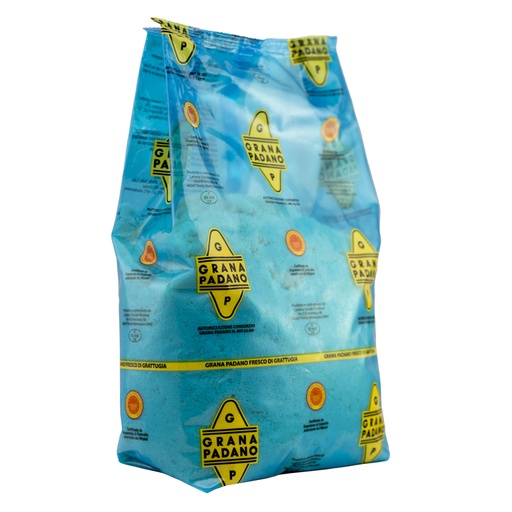
| Grana Padano | PDO | Po Valley | 1996 |
| Mozzarella di Bufala Campana | PDO | Campania | 1996 |
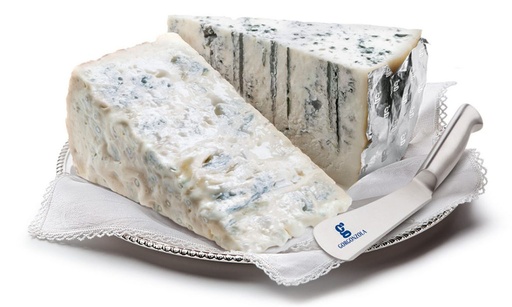
| Gorgonzola | PDO | Piedmont / Lombardy | 1996 |
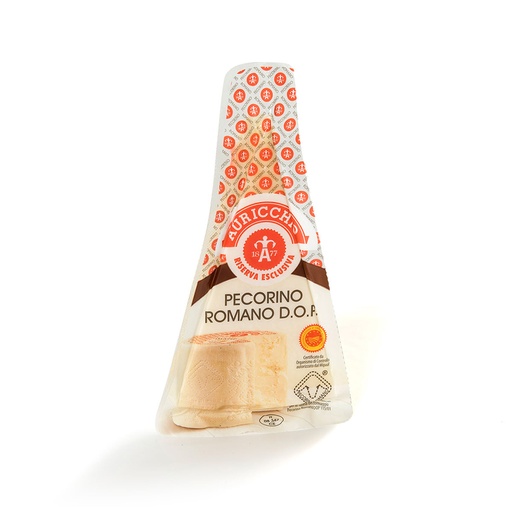
| Pecorino Romano | PDO | Lazio / Sardinia | 1996 |
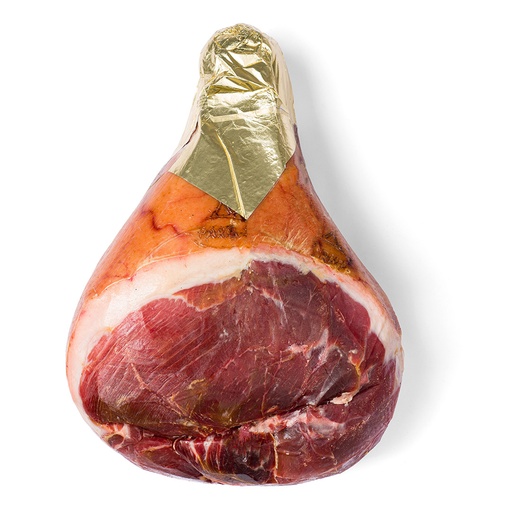
| Prosciutto di Parma | PDO | Emilia-Romagna | 1996 |
| Prosciutto di San Daniele | PDO | Friuli | 1996 |
| Pomodoro San Marzano dell'Agro Sarnese-Nocerino | PDO | Campania | 1996 |
| Aceto Balsamico Tradizionale di Modena | PDO | Emilia-Romagna | 2000 |
| Aceto Balsamico di Modena | PGI | Emilia-Romagna | 2009 |
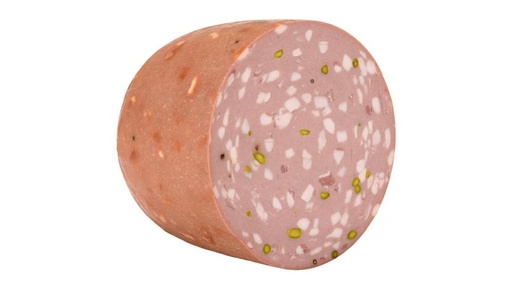
| Mortadella Bologna | PGI | Emilia-Romagna | 1998 |
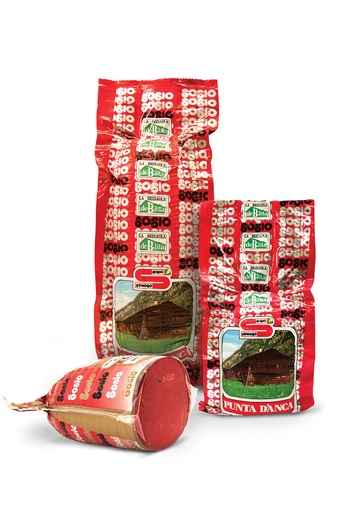
| Bresaola della Valtellina | PGI | Lombardy | 1996 |
| Mozzarella di Gioia del Colle | PDO | Puglia | 2020 |
| Burrata di Andria | PGI | Puglia | 2016 |
| Pasta di Gragnano | PGI | Campania | 2013 |
What PDO (DOP) really means
PDO is the highest level of protection. It certifies that the product is entirely born, raised, processed and packaged inside a defined geographical area, following a binding specification (the disciplinare). Quality and characteristics must be essentially or exclusively due to that environment, including natural and human factors.
Concrete example: Parmigiano Reggiano. The milk must come from cows reared in the provinces of Parma, Reggio Emilia, Modena and parts of Bologna and Mantua. The cows must be fed local forage. The cheese is made, aged at least 12 months and graded in the same area. If a single stage moves outside the zone, the product loses the right to the name.
This is why a PDO cannot be replicated elsewhere: it is not just a recipe, it is a territory turned into food. For a restaurateur this means an unbreakable guarantee of authenticity.
What PGI (IGP) really means
PGI protects products where the link with the territory is strong but does not cover every stage. It is enough that at least one phase among production, processing or preparation takes place in the defined area, and that the reputation, quality or specific characteristic is attributable to that origin.
Concrete example: Aceto Balsamico di Modena PGI. The grape musts can also come from outside the area, but the acetification, ageing and bottling must happen in the provinces of Modena and Reggio Emilia. This flexibility makes PGI products generally more affordable than PDO equivalents, while keeping a guaranteed geographical anchor and controlled method.
PGI does not mean lower quality. It means a different, more flexible link with the place. Many icons of Italian cuisine, such as Mortadella Bologna and Bresaola della Valtellina, are PGI.
What TSG (STG) really means
TSG does not protect a place at all. It protects a traditional composition or production method, regardless of where it is made. The product must be made from traditional raw materials or follow a traditional recipe, and the name must have been used on the market for at least 30 years.
Italy has only three food TSG: Mozzarella (the generic cow-milk recipe, not to be confused with the PDO Bufala), Pizza Napoletana and Amatriciana. A pizzeria in Zurich can legally produce a Pizza Napoletana TSG if it follows the official method: specific flour, hand-stretched dough, wood-fired oven at 430-480 degrees C, 60-90 seconds of cooking.
How to recognise the EU logo
Every certified product carries a mandatory EU logo on the label. Learn to read it in two seconds:
- PDO / DOP: circular logo in red and yellow, with the wording around the edge.
- PGI / IGP: circular logo in blue and yellow.
- TSG / STG: yellow and red logo with the explicit Traditional Speciality Guaranteed wording.
Beware of misleading wording. Phrases such as "Italian style", "recipe from", "produced for" or a generic Italian flag are not certifications. Only the official EU logo plus the registered name guarantee the protected origin. The label also shows the code of the independent control body.
Why certifications matter for a restaurateur
PDO and PGI products are a competitive advantage on the menu, not just a cost. Three concrete reasons:
1. Documented authenticity. You can write "Parmigiano Reggiano DOP 24 months" on the menu and prove it with the supplier invoice and the lot code. This protects you from claims and justifies the price.
2. Guaranteed food safety. Every PDO and PGI chain is audited by independent bodies. Traceability is total: from the lot you can go back to the dairy and the day of production.
3. Constant quality. The specification fixes minimum parameters (ageing, fat, method). A 24-month Parmigiano is the same in January and in August. For a kitchen, this predictability is gold.
Certification and the price/quality ratio
A certified product costs more than a generic imitation, but the gap is often smaller than people think and is always justified. Indicative Swiss foodservice prices:
- Parmigiano Reggiano DOP 24 months: 28-38 CHF/kg, against 16-22 CHF/kg for a generic hard cheese.
- Prosciutto di Parma DOP: 32-45 CHF/kg, against 18-26 CHF/kg for a generic raw ham.
- Mozzarella di Bufala Campana DOP: 16-24 CHF/kg, against 9-13 CHF/kg for cow fior di latte.
- San Marzano DOP tomatoes: 4-7 CHF/kg tinned, against 2-3 CHF/kg for generic peeled tomatoes.
- Aceto Balsamico di Modena IGP: 9-18 CHF/litre depending on ageing.
The extra cost per dish is usually a few cents to a couple of francs, while the perceived value on the menu rises far more. A "San Marzano DOP" margherita can be sold 2-4 CHF higher than a generic one.
FAQ on Italian food certifications
What is the difference between PDO and PGI?
PDO (DOP) requires all production stages to happen in the defined area, with a total link to the territory. PGI (IGP) requires only one stage in the area: the link is strong but partial. PDO is the stricter and more protective certification of the two.
What does TSG mean?
TSG (STG) protects a traditional recipe or method, not a place. The product can be made anywhere as long as the official specification is respected. Italian food examples: Mozzarella, Pizza Napoletana and Amatriciana.
How many PDO and PGI products does Italy have?
Around 890 PDO and PGI products including wine, of which over 320 are food (roughly 180 PDO and 140 PGI). Italy is the European country with the highest number of protected designations.
Is a DOP product always better than a non-certified one?
Not automatically, but DOP guarantees origin, method and controls that a generic product cannot prove. It removes the risk of imitations and ensures constant quality. For a restaurant it is a defensible guarantee in front of the customer.
Can I write DOP on my menu?
Yes, if the product really is certified and you can prove it with invoice and lot code. Writing DOP on a non-certified product is misleading commercial practice and is punishable. Always keep the supplier documentation.
Why does Parmigiano Reggiano cost more than generic grana?
Because the DOP specification imposes local milk, local forage, minimum 12-month ageing and grading by independent experts. A generic hard cheese has none of these constraints. The price reflects guaranteed origin, method and ageing.
Is Aceto Balsamico di Modena PDO or PGI?
There are two products. Aceto Balsamico di Modena is PGI (registered 2009). Aceto Balsamico Tradizionale di Modena is PDO (registered 2000), aged at least 12 years in casks and far more expensive and rare.
Are PDO and PGI valid in Switzerland?
Yes. Switzerland recognises EU geographical indications through a bilateral agreement with the European Union. PDO and PGI Italian products are protected on the Swiss market as well, and the names cannot be usurped.
What is the difference between Mozzarella di Bufala DOP and Mozzarella TSG?
Mozzarella di Bufala Campana DOP is made only from buffalo milk in defined areas of Campania and Lazio. Mozzarella TSG is the generic cow-milk recipe that can be produced anywhere following the traditional method. They are two different products.
Where can I buy certified Italian PDO and PGI products in Switzerland?
LAPA supplies restaurants, pizzerias and hotels throughout Switzerland with certified PDO and PGI products, with refrigerated delivery 6 days a week. Orders on +41 76 361 70 21 or at lapa.ch/shop.
LAPA: certified PDO and PGI products in Switzerland
LAPA is the Italian food wholesaler in Switzerland for restaurants, pizzerias and professional kitchens. 3,000+ authentic products, refrigerated delivery 6 days a week, direct supply chain with selected Italian producers.
Our certified catalogue includes Parmigiano Reggiano DOP, Grana Padano DOP, Mozzarella di Bufala Campana DOP, Gorgonzola DOP, Pecorino Romano DOP, Prosciutto di Parma DOP, Prosciutto di San Daniele DOP, San Marzano DOP tomatoes, Aceto Balsamico di Modena IGP, Mortadella Bologna IGP, Bresaola della Valtellina IGP, Burrata di Andria IGP and Pasta di Gragnano IGP.
Each product comes with full traceability and certification documents, so you can defend your menu choices in front of every customer. Orders: lapa.ch/shop or +41 76 361 70 21. Free technical advice for chefs and restaurateurs.