Perfect Cacio e Pepe: The Authentic Roman Recipe
The Paradox of Simplicity
Cacio e Pepe is the defining dish of Roman cuisine: only 3 ingredients, yet regarded as one of the most technically demanding pastas to execute perfectly. A dish that has humbled Michelin-starred chefs and that Roman home cooks master with ease.
Cacio e Pepe = Cheese (Pecorino) + Black Pepper + Pasta Water
No added fat, no eggs, no shortcuts. Only technique.
History of Cacio e Pepe
Cacio e Pepe
- Dry pasta (long shelf life)
- Pecorino Romano (aged cheese)
- Black pepper (natural preservative)
Today: An international cult dish, served from Roman trattorias to Michelin-starred restaurants worldwide.
Ingredients (4 servings)
Only 3 Essential Ingredients
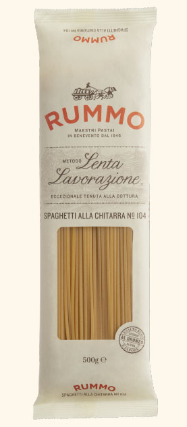
- ✅ Pasta: Tonnarelli 400g (traditional) or Spaghetti
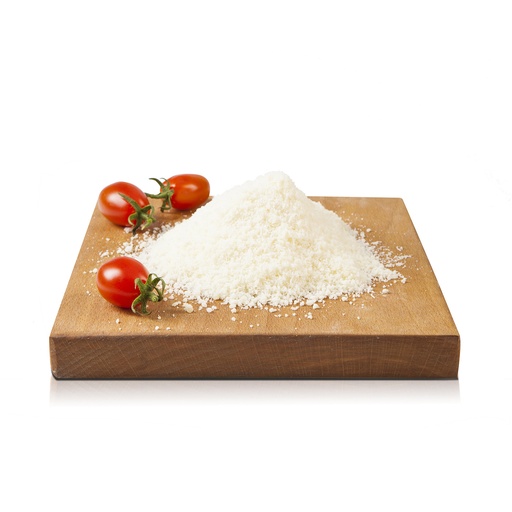
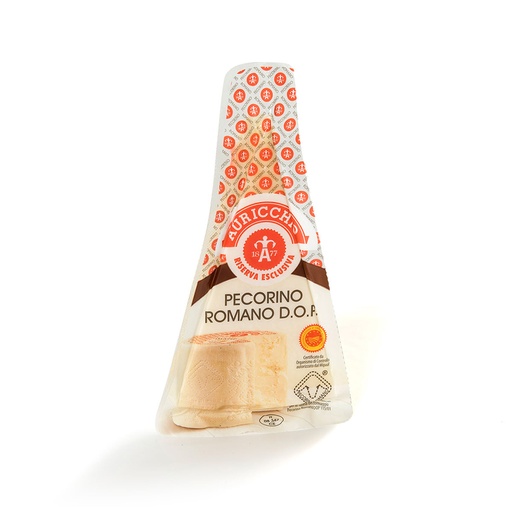
- ✅ Pecorino Romano PDO: 150g freshly grated — LAPA
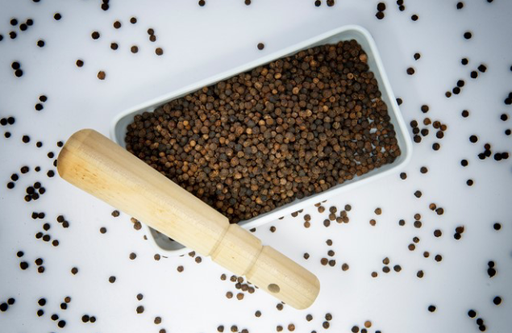
- ✅ Black pepper: 8-10g whole peppercorns (grind immediately before use)
- ✅ Water: Pasta cooking water
- ✅ Salt: to taste — use sparingly, Pecorino is already highly savory
Strictly Off-Limits
- ❌ Cream (a culinary sacrilege)
- ❌ Butter, oil, or any added fat
- ❌ Parmigiano in place of Pecorino
- ❌ Eggs
- ❌ Garlic, onion, herbs
- ❌ Pre-grated Pecorino — it will not melt properly
Step-by-Step Recipe
1. Toast the Black Pepper
The pepper is the key ingredient.
Procedure:
- Large non-stick pan, cold
- Add 8-10g whole black peppercorns
- LOW heat
- Toast 2-3 minutes, stirring continuously
- Must release fragrance — no smoke, or it has burned
- Remove from heat, cool 1 minute
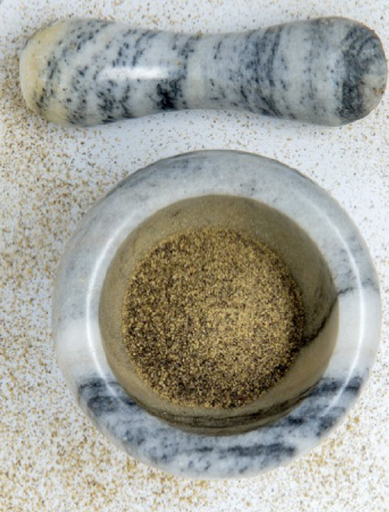
- Grind COARSELY in a mortar or coarse pepper mill
- Releases essential oils
- Intensifies the aroma
- Eliminates bitter notes
- Roman tradition
2. Grate the Pecorino
CRITICAL: use FRESH Pecorino only.
Procedure:
- Pecorino Romano PDO aged 8-12 months
- Grate with a FINE grater
- 150g for 4 servings — be generous
- Grate IMMEDIATELY before cooking
- Contains anti-caking agents — will not melt
- Has lost essential oils — cannot mantecare
- Oxidized, with off-flavors
3. Cook the Pasta
Less water = easier mantecatura.
Traditional method:
- 4 liters water in pot
- Salt: 30g (7-8g/liter — less than standard)
- Rolling boil
- Tonnarelli: 8-9 min (drain 2-3 min before al dente)
- Spaghetti: 7-8 min
- Only 2 liters water — half the standard amount
- Salt: 20g
- Cook with lid slightly ajar
- Stir frequently to prevent sticking
- Advantage: Higher starch content = perfect mantecatura
4. Prepare the Cream (Off Heat)
THE CRITICAL MOMENT.
Method A: Pre-Mantecatura Cream (Recommended)
- Large bowl
- Grated Pecorino 150g
- Toasted ground pepper 8g (reserve 2g for finishing)
- HOT pasta water 100-150ml
- Whisk VIGOROUSLY until smooth
- Target: thick, smooth cream with no lumps
- Consistency: thick Greek yogurt
Method B: Direct Mantecatura (Traditional, advanced)
- Drain pasta, reserve all water
- Pan with pepper, OFF HEAT
- Pasta + 50ml water
- Add Pecorino + water gradually
- Work vigorously for 2-3 minutes
5. Mantecatura — The Craft
Using the pre-mantecatura cream method:
- Drain pasta al dente — 2-3 min before indicated time
- Pan OFF HEAT with toasted pepper
- Add hot pasta
- Add the prepared Pecorino cream
- Mantecare VIGOROUSLY for 1-2 minutes
- Technique: Up-and-down tossing motion
- Add water if too thick — 20-30ml at a time
- Continue until the pasta is creamy and velvety
- Below 50°C = Pecorino won't melt (grainy result)
- 55-60°C = PERFECT creamy emulsion
- Over 70°C = proteins coagulate — rubbery clumps
6. Plate and Serve
- Plate onto a warmed dish — always pre-heat plates
- Extra grated Pecorino on top (2-3 tablespoons)
- Freshly ground black pepper, generously
- Serve IMMEDIATELY — the cream sets in 60 seconds
- No water pooling at the base — if so, it is too thin
- Creamy pasta enveloped in a white Pecorino veil
- Visible, fragrant pepper on top
The Science of Mantecatura
Why Cacio e Pepe Is So Technically Demanding
Pecorino Romano composition:
- 32% fats
- 26% proteins
- 36% water
- 6% minerals
- 40-50°C: Fats melt
- 55-60°C: Perfect creamy emulsion — the target zone
- 65-70°C: Proteins coagulate — clumping begins
- 75°C+: Stringy rubber — unrecoverable
- Al dente pasta retains heat without overheating the sauce
- Pan off heat for full temperature control
- Hot but not boiling water — gradual dilution
- Fast mantecatura — emulsify before it cools
The Role of Pasta Cooking Water
Pasta cooking water contains:
- Starch — natural binder
- Salt — emulsifier
- Minerals — stabilizers
- Dissolves Pecorino gradually
- Binds cheese fats with water to form an emulsion
- Creates creamy consistency without any added cream
- Regulates the final density of the sauce
Common Mistakes and How to Fix Them
❌ Mistake #1: Clumped Pecorino
Cause: Temperature too high — Pecorino added to boiling hot pasta
The solution:
- Always work off heat
- Use the pre-mantecatura cream method (Method A)
- If it clumps: add a splash of boiling water and whisk immediately
❌ Mistake #2: Watery Sauce
Cause:
The solution:
- Add water 20ml at a time, not all at once
- Use the full 150g Pecorino for 400g pasta
- Mantecare longer — excess liquid evaporates
❌ Mistake #3: Dry, Not Creamy Pasta
Cause:
The solution:
- Always reserve at least 2 cups of cooking water
- Mantecare for 2 full minutes
- Add water gradually until the desired creaminess is reached
❌ Mistake #4: Flat, Dull Flavor
Cause:
The solution:
- Always toast whole peppercorns and grind fresh
- Use a generous 8-10g of pepper
- Finish with additional pepper on the plate
❌ Mistake #5: Over-Salted
Cause:
The solution:
- Salt the water sparingly — 7g/liter vs. standard 10g
- PDO Pecorino is already highly seasoned
- Taste before adding any additional salt
Variations and Modern Interpretations
Cacio e Pepe with Guanciale = Pasta alla Gricia
Cause:
Enriched Cacio e Pepe (Chef's Method)
Add 20-30g butter during mantecatura:
- Richer and creamier
- More indulgent
- Less traditional, but remarkable
Crispy-Bottom Cacio e Pepe
- Prepare standard Cacio e Pepe
- Transfer to a wide pan
- HIGH heat, 2-3 minutes, do not stir
- A crispy crust forms on the base
- Flip and serve crispy side up
Risotto-Style Cacio e Pepe
- Toast dry pasta in the pan before adding water
- Add boiling water in small increments
- Cook as you would a risotto, 12-15 minutes
- Finish with final Pecorino mantecatura
Wine Pairings
White Wines (Recommended)
- 🍷 Frascati Superiore DOCG — Classic Roman, savory, fresh
- 🍷 Verdicchio di Matelica Riserva — Structure and minerality
- 🍷 Pecorino grape, Abruzzo — The name says it all. Fruity, fresh
- 🍷 Falanghina, Campania — Fresh and floral
- 🍷 Greco di Tufo — Elegant, with length
Light Reds
- 🍷 Cesanese del Piglio — Lazio DOC, peppery spice (a natural pairing)
- 🍷 Sangiovese di Romagna — Fresh, low tannin
- 🍷 Bardolino Chiaretto — Rosé, versatile
Cacio e Pepe FAQ
Tonnarelli or Spaghetti?
Roman tradition: TONNARELLI — square-section spaghetti
Why tonnarelli?
- Rough surface grips the cream
- Square cross-section = more surface area than round spaghetti
- Egg pasta — traditional in Lazio
- Perfect bite and consistency
- Spaghetti — widely available, works well
- Rigatoni — ridged surface, not traditional
- Mezze maniche
- Smooth penne
- Short pasta shapes (fusilli, farfalle)
- Soft fresh pasta — it will disintegrate
Pecorino Romano or Parmigiano Reggiano?
Acceptable alternatives:
Key differences:
| Attribute | Pecorino Romano | Parmigiano Reggiano |
|---|---|---|
| Milk | Sheep | Cow |
| Flavor | Savory, peppery | Sweet, delicate |
| Aging | 5-12 months | 12-36 months |
| Meltability | High — creamy result | Medium — grainier texture |
| Authentic | YES — the original | NO — not appropriate |
- 70% Pecorino + 30% Parmigiano
- Less intense, more approachable
Can I substitute Pecorino Sardo or Toscano?
Pecorino Romano PDO is the only correct choice.
Pecorino variety comparison:
Pecorino Romano PDO:
- Lazio / Sardinia / Grosseto
- Savory, peppery
- Aged 5-12 months
- Melts perfectly
- Sardinia
- Sweeter profile
- Lower meltability
- Acceptable but not authentic
- Tuscany
- Very mild and sweet
- Semi-aged, soft texture
- Not suitable for Cacio e Pepe — too mild
How much Pecorino per serving?
Professional guideline: 35-40g per person
For 4 servings (400g pasta):
- For mantecatura: 150g (37.5g per person)
- Finishing garnish: 20-30g additional
- Total: 170-180g
- Light: 30g/person (120g total)
- Standard: 35g/person (140g total)
- Rich: 40g/person (160g total) ✅ RECOMMENDED
- Chef-level: 50g/person (200g total) 🌟
How to Store Pecorino Romano
Proper storage:
- Whole wheel: Waxed paper + refrigerator 2-6°C — lasts 6-12 months
- Cut piece: Vacuum-sealed or food-grade paper + refrigerator — 3-4 months
- Grated: Airtight container + refrigerator — MAX 3-4 days
- Freeze — it loses texture
- Wrap in plastic directly — it sweats and molds
- Store at room temperature — it goes rancid
Can Cacio e Pepe Be Prepared in Advance?
No. Cacio e Pepe is a dish of the moment — serve immediately.
What you can do ahead:
- ✅ Toast the pepper (up to 2h ahead, store covered)
- ✅ Grate the Pecorino (up to 30 min ahead, keep covered)
- ✅ Bring water to a boil
- ❌ Cooked pasta — it turns gluey
- ❌ Pre-made mantecated cream — it solidifies
What you can do ahead:
- Add a small amount of milk (20-30ml)
- Warm in a non-stick pan
- Mantecare again briefly
- Result: Acceptable — but never as good as fresh.
LAPA Products for Perfect Cacio e Pepe
Pecorino Romano PDO — LAPA
- ✅ PDO Certified — Protection Consortium verified
- ✅ Aged 8-10 months (vs. 5-8 months standard)
- ✅ 100% sheep’s milk from Lazio and Sardinia — full traceability
- ✅ Artisanal production — selected small producers
- ✅ Balanced flavor — savory without being overpowering
- ✅ Optimal meltability — guaranteed creaminess in the pan
- 250g freshly grated: €4.80
- 500g piece: €9.50
- 1kg piece: €18
- 2kg wheel: €34
- Extended aging = complex, layered flavor
- Artisanal production = superior quality
- Fresh = maximum creaminess guaranteed
- PDO certified = guaranteed provenance
Tellicherry Black Pepper — LAPA
- ✅ Origin: India — Kerala, Tellicherry
- ✅ Large peppercorns (4-5mm) — maximum aromatic oils
- ✅ Hand-picked — premium quality selection
- ✅ Intense aroma — essential oil content 3-4%
- ✅ Balanced heat — enveloping, not aggressive
- 50g whole peppercorns: €3.20
- 100g peppercorns: €5.80
- 250g peppercorns: €13
- Larger grains = more aromatic oils per peppercorn
- Elegant heat — not aggressive
- Complex fragrance: floral and woody notes
- Always grind fresh — it transforms the dish
Artisanal Tonnarelli — LAPA
- ✅ Egg pasta — 20% fresh eggs
- ✅ Bronze-die extruded — rough surface grips the sauce
- ✅ Slow dried 24-36h (vs. 3h industrial)
- ✅ 100% Italian durum wheat
- ✅ Artisanal production in Lazio
- 250g: €3.80
- 500g: €7
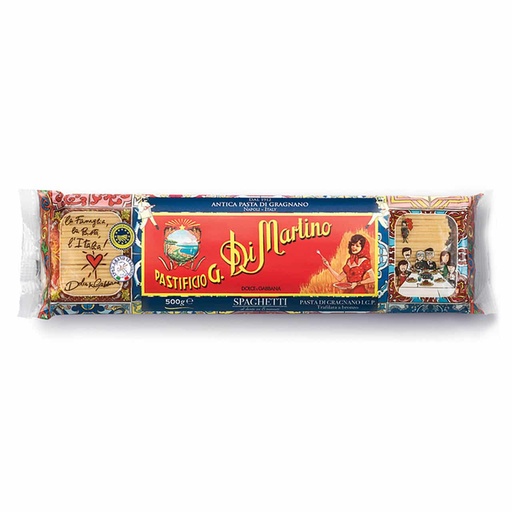
Alternative: Gragnano IGP bronze-drawn spaghetti (€4.50/500g)
LAPA Cacio e Pepe Kit
Complete Kit (4 servings):
- Pecorino Romano PDO 200g freshly grated
- Tellicherry Black Pepper 25g whole peppercorns
- Artisanal Tonnarelli 500g
- Full recipe card included
📧 [email protected] | 📞 +41 76 361 70 21 | 🌐 www.lapa.ch/kit-cacio-pepe
Conclusion: Perfection in Simplicity
Perfect Cacio e Pepe is proof that Italian cuisine is an art: 3 humble ingredients transformed into a sublime dish through technique, timing, and passion.
The real challenge? Not the ingredients — the execution: precise temperature, fast mantecatura, a stable creamy emulsion. A dish that rewards years of practice.
3 key takeaways:
- LAPA PDO Pecorino: Freshly grated, aged 8+ months — guaranteed meltability
- Tellicherry pepper: Toast whole, grind immediately — explosive, complex aroma
- Off-heat mantecatura: 55-60°C with continuous movement — perfect creamy emulsion
Buona Cacio e Pepe!
---
Related Articles:
Buona Cacio e Pepe!