You sell a Margherita at CHF 18 and the month still closes badly. Almost never the pizza's fault: it is the numbers nobody has recalculated since the last supplier increase. Here the calculation is done for you, in francs.
Written for the person at the oven: the pizzaiolo who owns the place, or the manager who signs the invoices. Prices are LAPA list prices, September 2026, excluding VAT.
What a Margherita really costs
A classic Neapolitan Margherita: a 250 g dough ball at 62% hydration, 80 g of peeled tomatoes, 90 g of fior di latte, a thread of extra virgin olive oil, basil. The ball holds 152 g of flour, 94 g of water, 3.8 g of salt.
| Ingredient | Purchase price | Per pizza | Cost (CHF) |
|---|---|---|---|
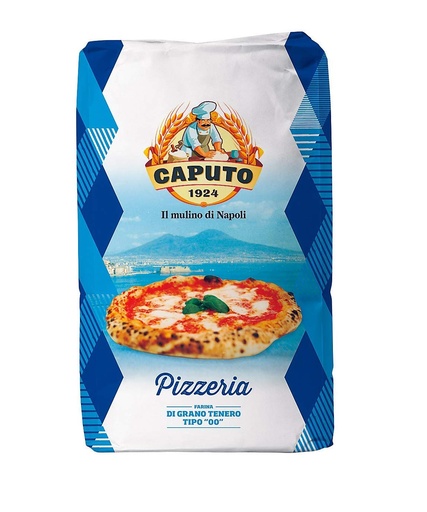
| Caputo Pizzeria flour, 25 kg sack | CHF 52.26 → 2.09/kg | 152 g | 0.32 |
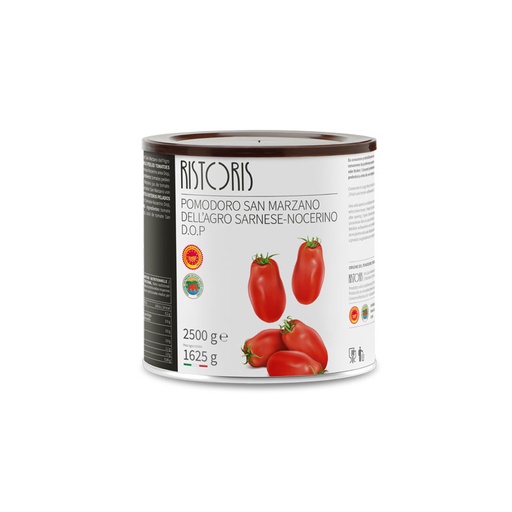
| Peeled San Marzano DOP tomatoes, 2.5 kg tin | CHF 13.35 → 5.34/kg | 80 g | 0.43 |
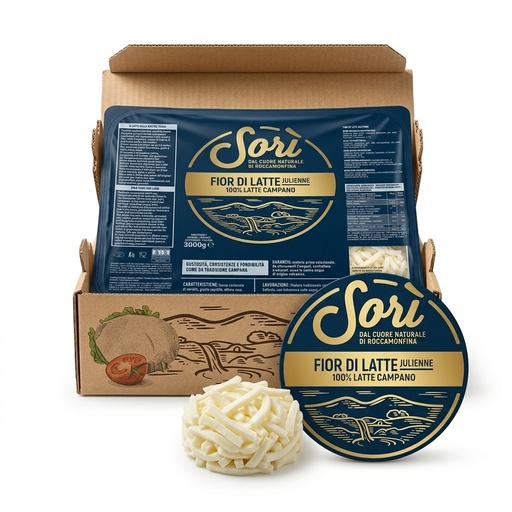
| Fior di latte, julienne cut, 3 kg | CHF 16.50/kg | 90 g | 1.49 |
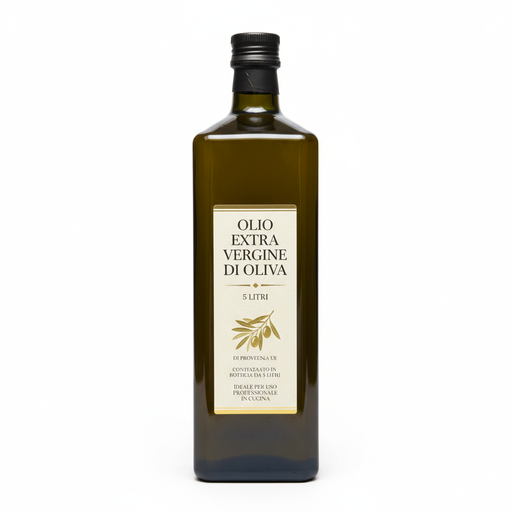
| Extra virgin olive oil, 5 L | CHF 91.84 → 18.37/L | 8 ml | 0.15 |
| Basil leaves, 200 g dispenser | CHF 4.16 → 20.80/kg | 2 g | 0.04 |
| Fine salt and dry yeast | CHF 0.91/kg · 15.12/kg | 3.8 g · 0.2 g | 0.01 |
| Total per Margherita | — | — | 2.44 |
The mozzarella alone is 61% of the plate: the only ingredient where a change of supplier or grammage really moves the result. The flour every pizzaiolo argues about is 13%, which is why the cheaper sack is the worst saving here.
Food cost in percent: the formula and the good numbers
Food cost % = ingredients ÷ net selling price × 100. Net means without VAT: in the dining room a pizza carries 8.1% in Switzerland, so CHF 16.00 on the menu is CHF 14.80 of real revenue. Dividing by the gross price flatters the result.
- CHF 16.00 menu price → CHF 14.80 net → food cost 16.5%, margin CHF 12.36
- CHF 17.50 menu price → CHF 16.19 net → food cost 15.1%, margin CHF 13.75
- CHF 19.00 menu price → CHF 17.58 net → food cost 13.9%, margin CHF 15.14
The healthy band for a whole pizzeria menu is 25 to 30%. A Margherita sits far below, and that is normal: it is the anchor price, and it carries the pizzas with raw ham, burrata or seafood, where food cost passes 35%.
Pizza al taglio and tray pizza: cost per tray and per slice
A 40×60 cm tray takes about 1100 g of dough at 75% hydration, which is 620 g of flour. The topping grows with it: 500 g of tomato, 600 g of fior di latte, 40 ml of oil.
| Ingredient | Per 40×60 cm tray | Cost (CHF) |
|---|---|---|
| Caputo Pizzeria flour | 620 g | 1.30 |
| Peeled San Marzano DOP tomatoes | 500 g | 2.67 |
| Fior di latte, julienne cut | 600 g | 9.90 |
| Extra virgin olive oil | 40 ml | 0.73 |
| Basil leaves | 8 g | 0.17 |
| Fine salt and dry yeast | 12.4 g · 0.6 g | 0.02 |
| Total per tray | — | 14.79 |
| Cost per slice (12 slices) | — | 1.23 |
That is CHF 1.23 per slice over twelve slices. Sold at CHF 6.00 takeaway — 2.6% VAT, CHF 5.85 net — food cost reaches 21.0%: a slice carries more topping and less rim, and the rim is the cheap part.
The five mistakes that push food cost up
Dough thrown away at the end of service
Dough balls not sold are a dead loss, invisible because nobody counts them. Twelve binned per week is CHF 200 a year of flour — but also twelve pizzas not sold, about CHF 9000 of missed revenue.
Mozzarella that releases water
Fior di latte used straight from the tub releases water in the oven, the pizza comes out wet, and the reflex is to add more. Ten grams more per pizza is CHF 6000 a year on 120 pizzas a day.
Portions that are never weighed
Nobody weighs the mozzarella after the first week. Between the lightest and the heaviest hand there is routinely 20 g of difference: CHF 0.33 a pizza. A CHF 30 scale by the fridge keeps the team calibrated.
A menu price that was never updated
Wholesale prices move several times a year; menus are reprinted once. If your price is the one from two years ago and the mozzarella on your invoices has risen, you have already given away margin.
A menu with no margin architecture
A menu is a structure, not a list. If the ten best sellers all sit in the same price band with expensive toppings, nothing balances the account. Look at margin in francs: CHF 12.36 sold 40 times beats CHF 14 sold four times.
How to bring it down without lowering quality
Cutting quality is the fastest way to lose the guests who pay for it. What follows removes waste, not ingredients.
The right flour for your process
A flour for long cold maturation used on a same-day dough gives a hard result. Pizzeria is made for direct doughs of 8 to 24 hours, Nuvola for high airy rims, Saccorosso for long cold maturation.
Raise hydration before grammage
Water costs nothing. Going from 60% to 65% hydration gives a lighter, wider pizza from the same 152 g of flour, and fills the plate without one extra gram of mozzarella.
Use a preferment instead of more yeast
A biga or a poolish made the day before builds flavour and structure with a fraction of a gram of yeast. It costs planning, not ingredients.
Weigh, and write the number down
The only lever that works permanently is the one nobody likes: weighing. Fix the grammage, write it inside the fridge door, and check it once a month.
Frequently asked questions
What is the ideal food cost for a pizzeria?
The answer is that a healthy pizzeria runs a weighted food cost of 25 to 30% across the whole menu. Individual pizzas vary widely: a Margherita sits between 13 and 17%, while a pizza with burrata or seafood can pass 35%. Judge the average, not one dish.
How much does it cost to make a Margherita pizza?
The answer is that the ingredients of a Margherita cost about CHF 2.44 at Swiss wholesale prices: CHF 1.49 of fior di latte, CHF 0.43 of San Marzano tomatoes, CHF 0.32 of Caputo flour, CHF 0.15 of olive oil and CHF 0.05 of basil, salt and yeast. Labour, energy and rent are not in that figure.
How do you calculate the food cost of a pizza?
The answer is that you divide the cost of the ingredients by the net selling price and multiply by 100. Weigh every ingredient once, convert each purchase price to a price per gram, and take VAT off the menu price first: 8.1% in the dining room, 2.6% takeaway.
How much should a Margherita cost in Switzerland?
The answer is that a menu price between CHF 16 and CHF 19 keeps a Margherita profitable in most of Switzerland, with a margin of CHF 12.36 to CHF 15.14 per pizza after ingredients. Below CHF 15 the margin no longer carries staff, rent and energy.
Products mentioned in this article
- Caputo Pizzeria flour 25 kg — The everyday sack for direct doughs of 8 to 24 hours.
- Caputo Nuvola flour 25 kg — For high, airy Neapolitan rims and longer rises.
- San Marzano DOP peeled tomatoes 2.5 kg — The DOP tin used above, at CHF 5.34 per kilo.
- Fior di latte julienne 3 kg — Cut and oven-ready, the heaviest line in the pizza.
- Extra virgin olive oil 5 L — The catering format that keeps oil at fifteen centimes.