Last updated: 28 May 2026
In 30 seconds: what is Pastiera Napoletana?
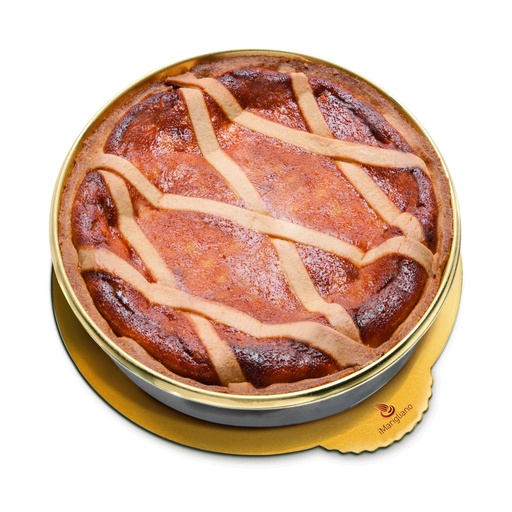
Pastiera Napoletana is the symbolic Easter cake of Naples: a fragrant shortcrust pastry (pasta frolla) shell filled with a cream of sieved cow ricotta, cooked wheat (grano cotto), eggs, sugar, candied citrus peel and the unmistakable aroma of orange-blossom water (millefiori). The surface is closed with seven pastry strips in a diamond lattice. It is baked slowly, then rested for at least 24 hours so the flavours marry.
A standard pastiera weighs 1.2-1.5 kg (24 cm tin), delivers about 280-320 kcal per 100 g, bakes for 90-110 minutes at 160-170 C and must rest 1-2 days before serving. Below you find a comparison table of the three main versions, the authentic recipe, the most common mistakes, storage rules, a full FAQ and where to buy the ingredients (or the finished cake) in Switzerland.
Comparison table: classic, chocolate and modern pastiera
| Feature | Classic pastiera | Chocolate pastiera | Modern / pastry-cream pastiera |
|---|---|---|---|
| Filling base | Ricotta + cooked wheat | Ricotta + cooked wheat + dark chocolate | Ricotta + cooked wheat + pastry cream |
| Aroma | Orange-blossom water, cinnamon | Orange-blossom, cocoa, orange zest | Orange-blossom, vanilla, lemon |
| Texture | Compact, grainy from the wheat | Denser, fudgy | Softer, creamier |
| Sweetness | Medium | Higher | Medium-high |
| Origin | Traditional Neapolitan | 20th-century variant | Contemporary pastry shops |
| Kcal / 100 g | 280-320 | 320-360 | 300-340 |
| Rest before serving | 24-48 h | 24-48 h | 24 h |
| Shelf life (chilled) | 7-10 days | 7-10 days | 4-5 days |
Professional ingredient table (one 24 cm pastiera, ~1.4 kg)
| Component | Ingredient | Quantity |
|---|---|---|
| Shortcrust pastry | Soft wheat flour 00 | 400 g |
| Shortcrust pastry | Butter (or lard, traditional) | 180 g |
| Shortcrust pastry | Caster sugar | 160 g |
| Shortcrust pastry | Egg yolks | 3 |
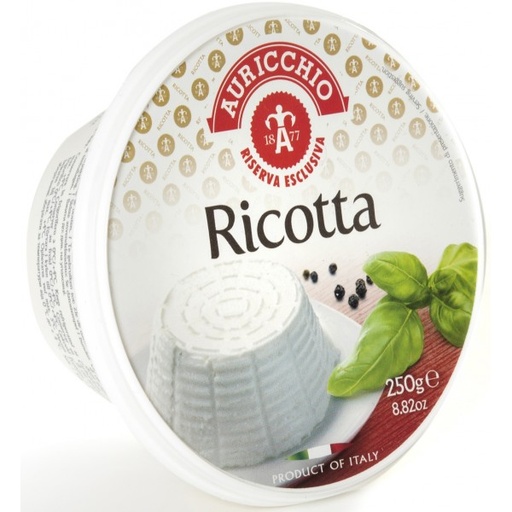
| Filling | Sieved cow ricotta | 400 g |
| Filling | Cooked wheat (grano cotto) | 350 g |
| Filling | Whole milk | 100 ml |
| Filling | Sugar | 350 g |
| Filling | Whole eggs | 4 (yolks + whites separate) |
| Aroma | Orange-blossom water (millefiori) | 30 ml |
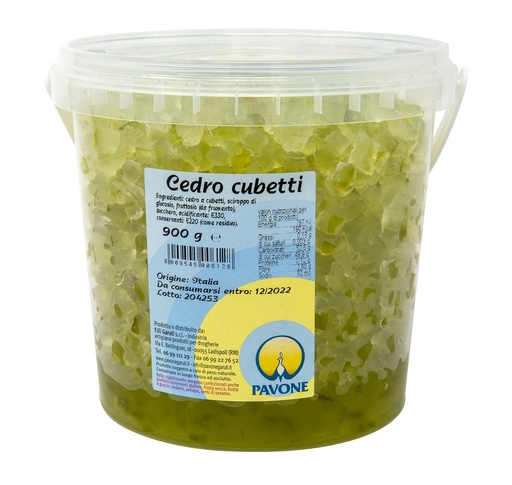
| Aroma | Candied orange and citron peel | 120 g |
| Aroma | Untreated lemon and orange zest | 1 each |
| Aroma | Cinnamon (optional) | 1 pinch |
Yield: one 24 cm pastiera, ~1.4 kg, 12-14 portions. Total time: 3 hours active + 90-110 min baking + 24-48 h resting.
Origin: the Easter cake of Naples
The pastiera is tied to Easter and to spring rebirth. Its origins are part legend, part history. The most cited legend links it to the mermaid Partenope, to whom the people of Naples offered flour, ricotta, eggs, wheat, orange blossom, sugar and spices: she blended them into the first pastiera.
Historically the cake was perfected in Neapolitan convents between the 16th and 17th centuries. The nuns of San Gregorio Armeno are credited with codifying the recipe. The cooked-wheat-and-ricotta symbolism (grain reborn from the earth, milk of new life) made it the perfect Easter dessert.
By tradition the pastiera is prepared on Holy Thursday or Good Friday so it can rest until Easter Sunday. The seven lattice strips are read as a reference to the seven streets of the Greco-Roman city of Naples, or to the symbol of the cross.
The authentic recipe, step by step
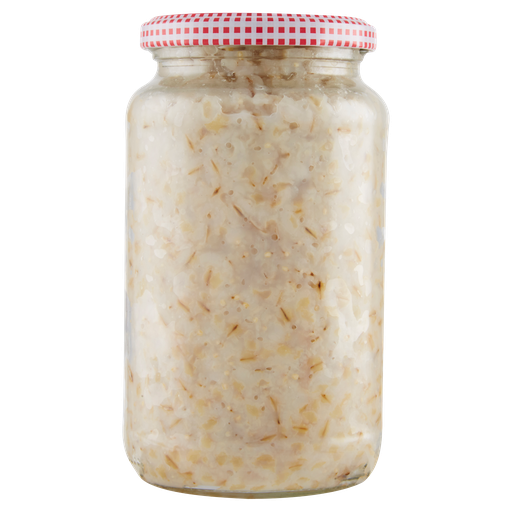
1. Cooked wheat. Use ready jarred cooked wheat (grano cotto): cook it with milk, a knob of butter and a strip of lemon zest over low heat for 10-15 minutes until creamy. This step makes the wheat soft and removes any starchy edge. Let it cool.
2. Shortcrust pastry. Work flour, cold butter, sugar and yolks quickly; do not overwork. Rest in the fridge for at least 30 minutes. Roll to 4-5 mm and line a buttered 24 cm tin, keeping pastry for the strips.
3. Ricotta cream. Sieve the ricotta, mix with sugar and rest 1 hour (ideally overnight). Add the cooled wheat, the yolks, candied peel, zest, orange-blossom water and cinnamon. Finally fold in the whites whipped to soft peaks: they give lightness.
4. Assembly and baking. Fill the shell to 1 cm below the rim. Lay seven strips in a diamond lattice. Bake at 160-170 C for 90-110 minutes: the surface must turn deep golden, almost amber. The filling stays slightly wobbly and sets on resting.
The most common mistakes
Liquid or sandy ricotta. Watery ricotta makes the filling weep; sieving and resting it with sugar is essential. Foodservice tip: drain the ricotta 12 hours in the fridge over a sieve.
Skipping the rest. A pastiera eaten the same day is flat. It needs 24-48 hours for the orange-blossom, candied peel and wheat to harmonise. This is the single most important rule.
Overbaking. Pulling it out too early leaves it raw inside; too late dries it out and cracks the top. Aim for amber colour and a still-trembling centre.
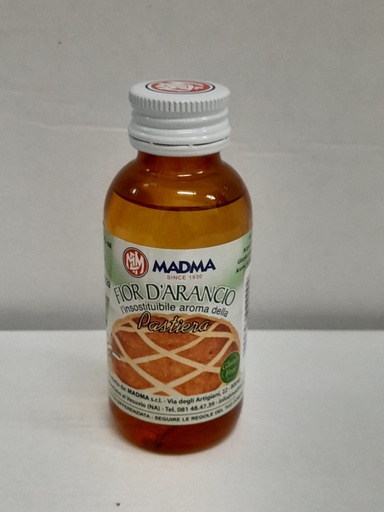
Wrong orange-blossom dose. Millefiori water is intense: 20-30 ml per pastiera is enough. Too much turns the cake soapy.
Storage and serving
- Room temperature: 3-4 days under a cloche, away from heat.
- Chilled (+4 C): 7-10 days; bring back to room temperature before serving.
- Frozen (-18 C): up to 3 months; defrost 12 hours in the fridge.
- Serving: dust with icing sugar just before serving; never store dusted (it dissolves).
- Swiss food cost: 1.20-2.00 CHF per portion; restaurant selling price 4.50-8 CHF.
FAQ about Pastiera Napoletana
What is pastiera napoletana made of?
Shortcrust pastry filled with sieved cow ricotta, cooked wheat (grano cotto), eggs, sugar, candied citrus peel and orange-blossom water. The top is closed with seven pastry strips in a diamond lattice and baked slowly.
Why does pastiera need to rest before eating?
Resting 24-48 hours lets the orange-blossom water, candied peel, cinnamon and cooked wheat blend into a single rounded flavour. Eaten fresh from the oven it tastes flat and the filling has not set.
Can I make pastiera without cooked wheat?
Cooked wheat is the defining ingredient and should not be skipped. Cooked spelt or pearl barley are the closest substitutes, but the result is no longer a traditional pastiera. Jarred grano cotto makes it easy.
What is orange-blossom water and where do I buy it?
Orange-blossom (millefiori) water is a floral distillate that gives pastiera its signature aroma. Use 20-30 ml per cake. In Switzerland it is sold by Italian food wholesalers such as LAPA, alongside jarred cooked wheat and candied peel.
How long does pastiera last?
3-4 days at room temperature under a cloche, 7-10 days chilled at +4 C, up to 3 months frozen at -18 C. The flavour actually improves in the first two days. Defrost frozen pastiera 12 hours in the fridge.
What is the difference between classic and chocolate pastiera?
Classic pastiera is ricotta and cooked wheat scented with orange blossom. The chocolate version adds melted dark chocolate and orange zest, giving a denser, sweeter, fudgier cake. Both use the same shortcrust shell and lattice top.
How many calories are in pastiera?
A classic pastiera has about 280-320 kcal per 100 g. The chocolate version reaches 320-360 kcal. A normal portion of 100-120 g therefore provides roughly 300-380 kcal.
Where can I buy pastiera in Switzerland?
LAPA distributes artisan pastiera and all the authentic ingredients (cooked wheat, ricotta, orange-blossom water, candied peel) throughout Switzerland, with refrigerated delivery to restaurants, pizzerias and hotels in Ticino, Romandie and German-speaking Switzerland.
LAPA: ingredients for the pastiera in Switzerland
LAPA supplies all the authentic ingredients for the pastiera napoletana to restaurants, pizzerias and pastry shops across Switzerland: jarred cooked wheat (grano cotto), fresh cow and sheep ricotta, orange-blossom (millefiori) water, candied orange and citron peel, soft wheat flour 00 and ready-made artisan pastiera for those who prefer to buy it finished.
Same-day delivery in German-speaking Switzerland (order by 05:00) and in 1-3 working days in the rest of Switzerland, refrigerated chain 6 days a week. B2B orders on www.lapa.ch or by phone: +41 76 361 70 21.